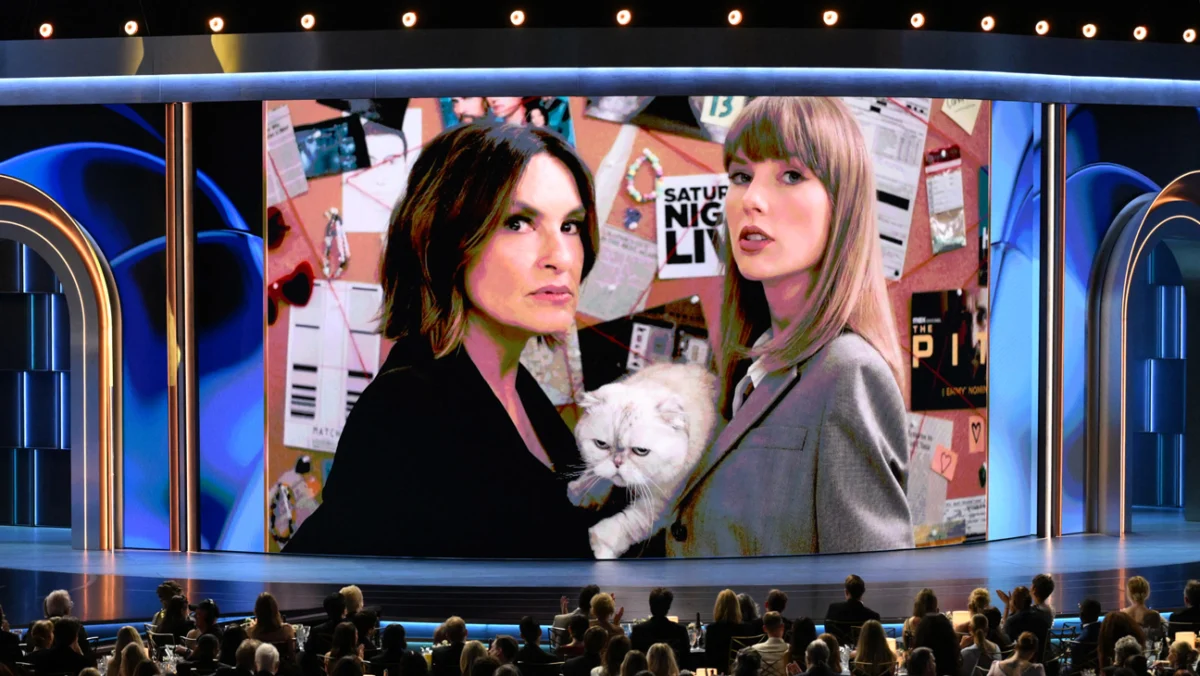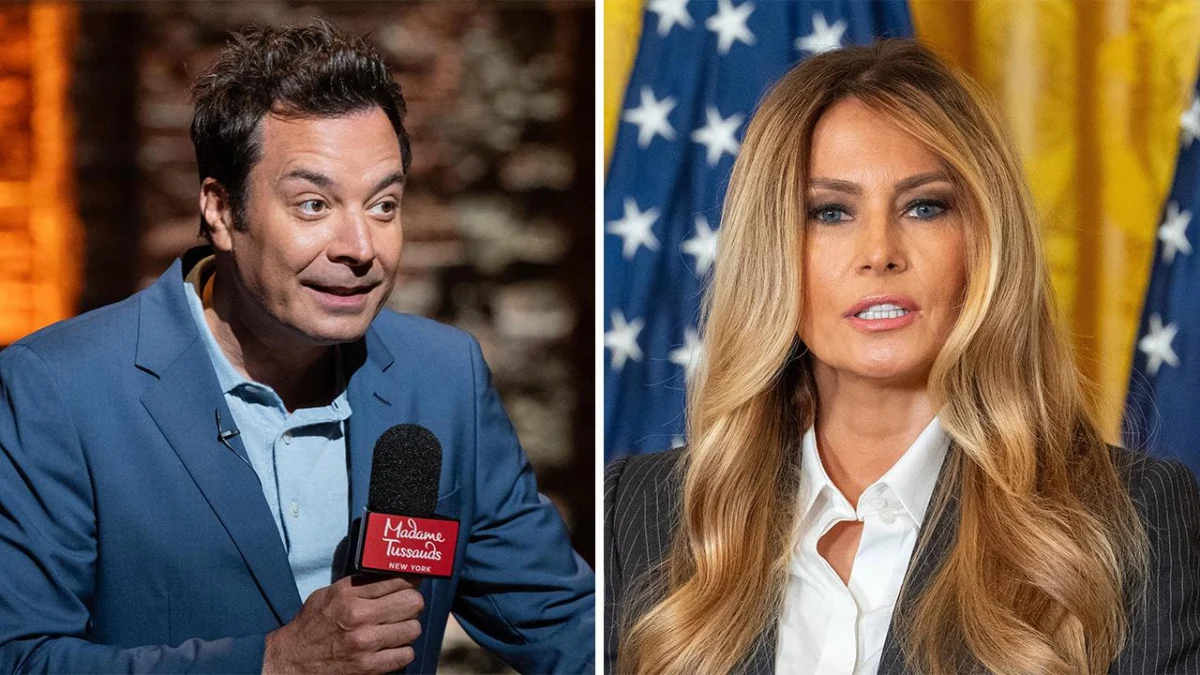
Late-night host Jimmy Fallon recently satirized former First Lady Melania Trump’s conspicuous absence from Donald Trump’s two-day visit to his Irish Open golf tournament at the Doonbeg resort, sparking renewed public discussion about the couple’s dynamic and Melania’s public profile. During a monologue on The Tonight Show on Monday, September 14, 2026, Fallon delivered several pointed jokes, including one suggesting Donald Trump attempted to "bribe her" to join him on the overseas journey.
The former President had traveled to Ireland for the golf tournament hosted at his luxury Doonbeg property. While addressing attendees at the U.S. ambassador’s residence in Dublin, Donald Trump offered a lighthearted explanation for his wife’s non-attendance. He claimed Melania had opted to skip the journey due to the extensive seven-hour flight, playfully quoting her as saying, "Maybe I’m not that friendly" after he invited her to accompany him. This remark provided fertile ground for late-night comedians, who frequently scrutinize the former First Couple’s public interactions and individual activities.
Melania Trump’s Absence from Presidential Travel
Melania Trump’s decision to forgo the trip to Ireland is not an isolated incident but rather fits into a broader pattern of selective public appearances that has characterized her time as First Lady and since. Throughout Donald Trump’s presidency and post-presidency, her presence at official events, particularly international travel, has often been unpredictable, leading to considerable media speculation and public commentary. The role of a First Lady typically involves accompanying the President on significant foreign trips, participating in diplomatic engagements, and representing the nation on the global stage. Her absence from such events, especially those at a Trump-owned property, inevitably draws attention and raises questions about her engagement and the couple’s relationship.
Historically, First Ladies have played a crucial, albeit informal, role in international diplomacy, often engaging with spouses of foreign leaders and participating in cultural exchanges. Melania Trump, however, has often chosen a more private path, preferring to maintain a lower public profile compared to many of her predecessors. This preference has frequently fueled public curiosity and has become a recurring theme in political commentary and satirical humor. Her perceived reluctance to engage in traditional First Lady duties has often been contrasted with the more active roles of other presidential spouses.
Fallon’s Comedic Analysis of Marital Dynamics
Jimmy Fallon capitalized on Donald Trump’s explanation for Melania’s absence during his monologue, using it as a springboard for a series of jests. Fallon quipped that when asked where Melania spent the weekend, Trump would suggest "Australia," implying she sought an even greater distance from him than a seven-hour flight could provide. This particular joke plays on the persistent rumors and public perception of a strained relationship between the former President and First Lady, a narrative often explored by late-night hosts.
The most pointed joke came when Fallon suggested, "He even tried bribing her with a check for $5,000." This comedic jab taps into a vein of public discourse that has long speculated about the transactional nature of the Trumps’ relationship, particularly regarding Melania’s public appearances. While purely a comedic exaggeration, it reflects a common sentiment found in certain segments of the media and public that Melania’s participation in her husband’s events might be influenced by personal considerations beyond typical spousal duty. The mention of a specific sum amplifies the satirical effect, highlighting the perceived mercenary aspect.
Aides and Public Appearances: Who Accompanies the President?
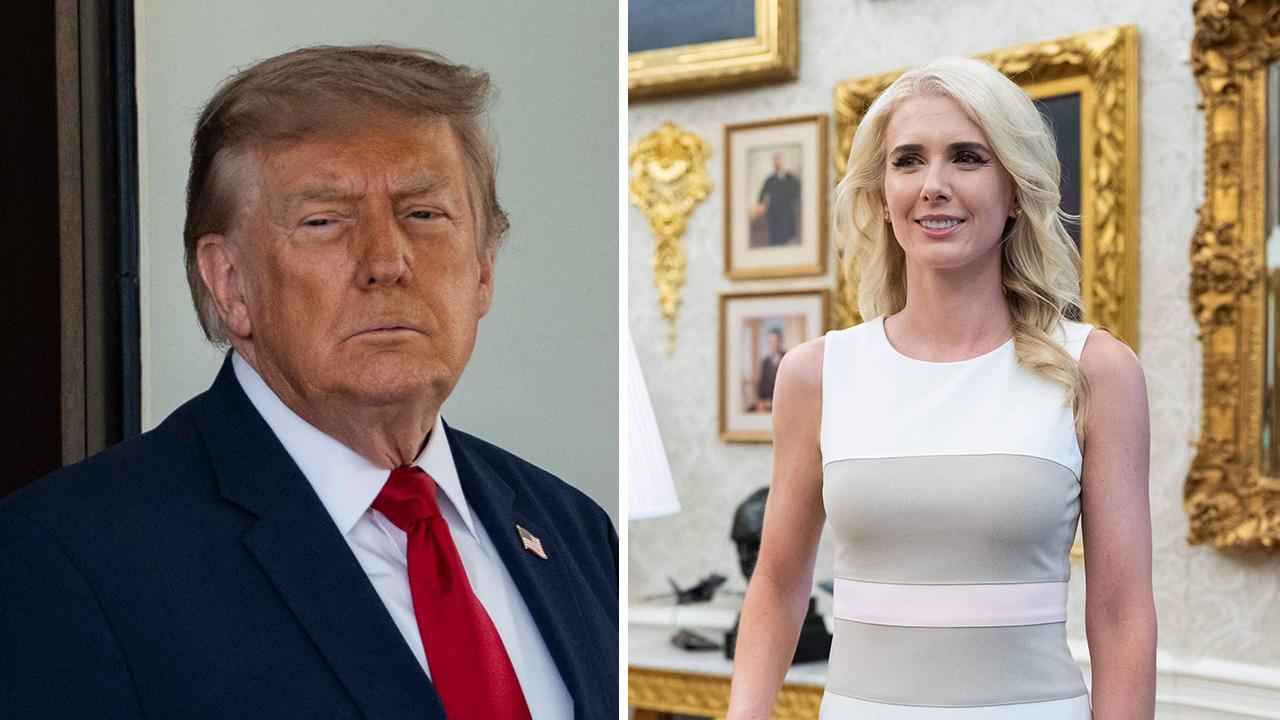
In Melania Trump’s stead, Donald Trump was accompanied on his Irish journey by his aide, Natalie Harp. As his executive assistant, Harp was observed by his side throughout official welcoming ceremonies in Dublin, meetings with Irish President Catherine Connolly and Taoiseach Micheál Martin, and during his stop at the Doonbeg golf resort. The presence of a staff member in a prominent role typically reserved for a spouse can further underscore the absence of the First Lady and invites public scrutiny.
The composition of a president’s traveling entourage is often meticulously planned, reflecting both diplomatic protocol and personal preferences. While it is common for key staff members to accompany a president on international trips, the visibility of an aide in a role often filled by the First Lady highlights a deviation from traditional norms. This shift can sometimes be interpreted as a sign of changing White House dynamics or personal choices impacting public-facing roles. The increasing public presence of Natalie Harp alongside Donald Trump has previously raised questions regarding her unofficial role and influence within his inner circle.
A History of Melania Trump’s Public Absences
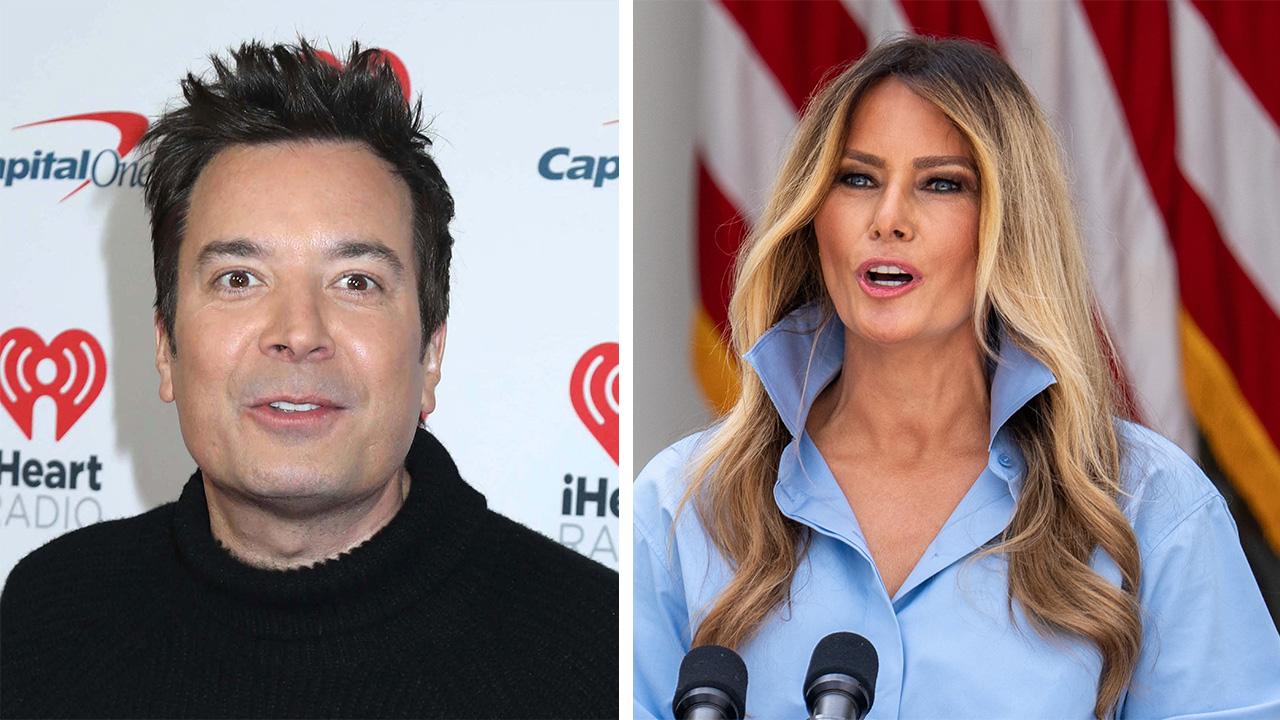
Melania Trump’s recent absence from the Irish Open trip is part of a recurring theme that has long provided fodder for late-night comedians and political commentators alike. Her selective public engagement has frequently led to periods of minimal visibility, prompting wide-ranging speculation. In August, prior to the Irish Open incident, Fallon and other comedians playfully theorized about Melania’s month-long disappearance from the public eye. Jokes circulated, including one suggesting she had "run off" with then-recovering Senator Mitch McConnell, who himself had been out of the public view for an extended period until his reemergence in the Senate around the same time.
These instances highlight a pattern where Melania’s low profile becomes a subject of public fascination and comedic interpretation. Her decision to skip events like the White House Correspondents’ Dinner or remain largely unseen for weeks at a time has consistently drawn attention, particularly given the intense media spotlight typically focused on presidential families. Comedians often use these gaps in her public schedule to craft narratives that play on existing public perceptions of her independence or desire for privacy, and to poke fun at the perceived state of her marriage to Donald Trump.
Fallon’s Continued Commentary on the Trumps
Fallon’s commentary also touched on Melania’s longer periods of public absence, noting, "People have noticed she’s been laying low," and highlighting a specific instance where she went 29 days without being seen publicly. The comedian then imagined Donald Trump’s response to such observations, humorously suggesting he hadn’t seen his wife "privately for two years," further amplifying the narrative of marital distance.
The comedian also referenced a past incident involving Donald Trump and an airport catering truck, stating, "I understand Melania is taking a step back with everything going on. She’s worried that at any moment she could be trapped with Trump inside her catering truck." This joke referred to a widely reported event in July where the former President was reportedly smuggled off Air Force One inside an airport catering truck as part of a security decoy operation. By linking Melania’s perceived desire for distance to this unusual incident, Fallon effectively combined two distinct news items to create a humorous, if cynical, commentary on her alleged efforts to avoid her husband.
Public Perception and Political Humor
The persistent focus of late-night hosts like Jimmy Fallon on Melania Trump’s public appearances and her relationship with Donald Trump underscores the unique intersection of politics, celebrity, and humor in American culture. These comedic observations, while not always factual, often reflect and shape public perceptions, particularly concerning the personal lives of political figures. The ongoing fascination with the Trump family, even years after leaving the White House, ensures that their activities, or lack thereof, remain a rich source for satire.
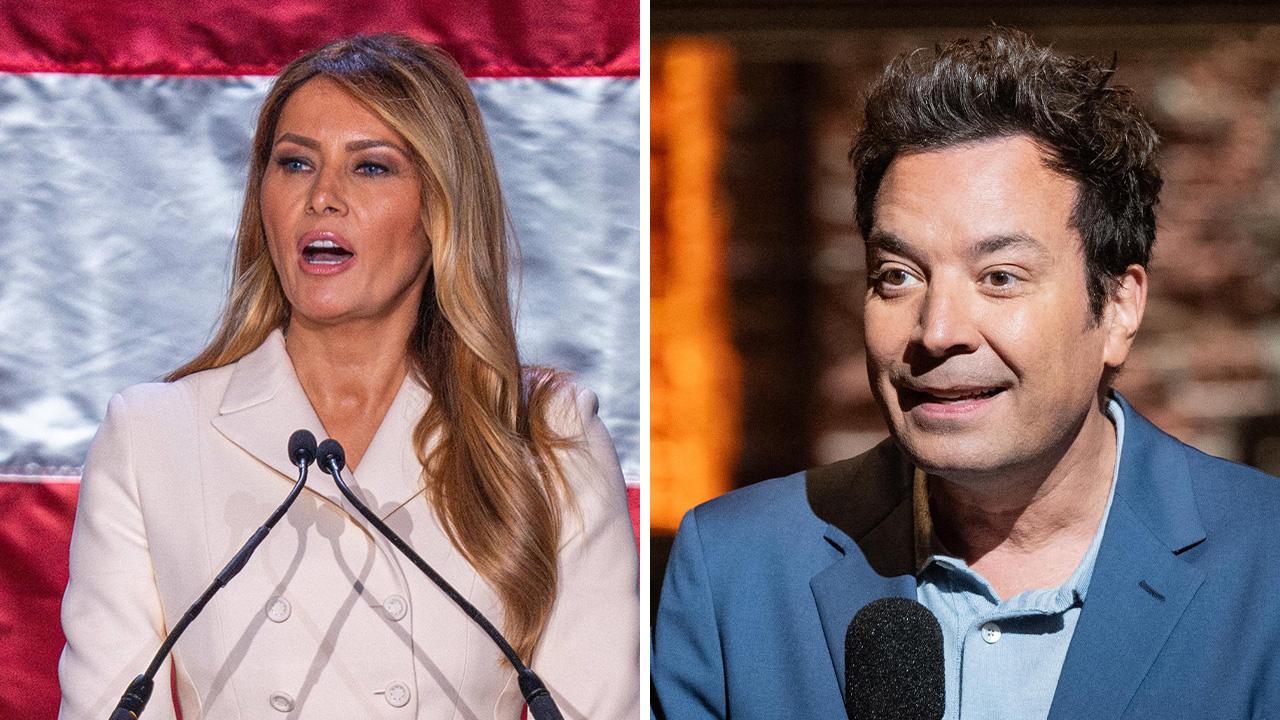
Melania Trump’s preference for living in New York City or at Mar-a-Lago in Florida, often away from her husband’s primary residences or campaign trail, has been widely reported. This geographic separation, coupled with her selective public engagements, consistently fuels narratives about her independence and the nature of her marital bond. For comedians, these recurring patterns provide a reliable wellspring of material, allowing them to tap into popular sentiments and anxieties about political figures while providing comedic relief. The public’s continued interest in these narratives ensures that First Ladies, past and present, remain subjects of intense media and cultural scrutiny.