Veteran industry executive Michelle Jubelirer articulated a clear vision for the future of the music business during the third annual Trapital Summit in Los Angeles, advocating for a fundamental shift towards greater empathy and a renewed emphasis on artistic merit. Speaking with Tatiana Cirisano, VP of Music Strategy for MIDiA Research, at the event hosted by Trapital founder Dan Runcie, Jubelirer stated, "The industry needs more compassion, more focus on talent and less ego-benevolent bastards." This powerful sentiment set the tone for a candid discussion that traversed her extensive career and offered insights into the evolving landscape of talent management and the broader music ecosystem.
Jubelirer, who has ascended from artist lawyer to label executive and notably served as the first female CEO of Capitol Music Group, is now at the helm of Soft Shock, a management and media collective. The initiative, backed by a strategic investment from Sherrese Clarke’s HarbourView Equity Partners, is co-led by her and Arjun Pulijal, another former Capitol Music Group executive. Soft Shock operates under a broad interpretation of "talent is talent," extending its reach beyond traditional musicians to include clients from the comedy, culinary, and athletic sectors.
A Career Forged in Advocacy and Innovation
Jubelirer’s journey through the music industry is marked by a consistent drive to champion artists. Her early experiences as a lawyer representing artists who often harbored deep distrust for their labels fueled a desire to create a more artist-centric environment within major music corporations. "I had this vision that if someone was a real artist advocate and went on to run a label, would an artist thereby feel the safest possible and make their best music?" she recalled. This perspective challenged her initial low expectations of major label teams.
Upon stepping into leadership roles at major labels, Jubelirer found herself "blown away by the people there." She described them as "incredibly passionate, hard workers." Contrary to the perception of major labels as monolithic and impersonal entities, she emphasized that they are, in reality, "a collection of passionate people." Jubelirer believes that with the right leadership and inspiration, these teams can "really overdeliver for artists." Her tenure at Capitol Music Group, where she worked with pioneering artists like Tyler, the Creator and Doechii early in their careers, underscores her ability to identify and nurture burgeoning talent, often before data analytics could provide concrete validation.
Redefining Talent Management in the Digital Age
Soft Shock’s philosophy extends beyond traditional artist representation. Jubelirer highlighted the collective’s expansion into a marketing arm, which is poised for significant growth with the representation of numerous artists and music festivals. Furthermore, the company is set to launch a new venture with a "lauded film and TV executive," an announcement anticipated in the coming weeks. This diversification signals a strategic move to provide comprehensive support for talent across multiple creative industries, adapting to the fragmented media landscape where artists and creators increasingly operate.
The "talent is talent" mantra reflects a recognition that the lines between creative disciplines are blurring. In an era of constant content consumption, the ability to capture audience attention is paramount, regardless of the specific medium. Soft Shock’s approach suggests a forward-thinking strategy to build enduring brands for their clients, acknowledging that sustained success requires more than just a hit song or a viral moment.
Navigating the Complexities of the Modern Music Industry
The conversation at the Trapital Summit delved into critical issues facing the music industry today. When asked about the appetite for risk within major record labels, Jubelirer acknowledged that while the nature of their business often necessitates risk aversion, pockets of individuals within these organizations still prioritize talent over data. This is a principle she championed during her time at Capitol and continues to advocate for.
"I’m the kind of person that if I walk into a room with an artist and I get goosebumps, then I know in my heart that is somebody who’s going to go on to be something incredibly special," she stated. This intuitive approach, she argued, is crucial because relying solely on data can be a "very easy default" that might overlook nascent stars.

The Challenges of Artist Development
Jubelirer also addressed the precarious state of artist development, describing it as an "incredibly challenged space." The sheer volume of content and creators vying for attention, from musicians to athletes, influencers, chefs, and comedians, makes it exceedingly difficult to cultivate an artist beyond a single song. She characterized the process as a "long brand-building process; probably five years at least," a timeline that is often at odds with the short-term demands of late-stage capitalism.
This economic reality, she suggested, is a significant impediment to the organic growth of artists. The pressure for immediate returns can stifle the investment required for sustained development, forcing artists and their teams to prioritize virality over artistic depth and long-term career sustainability.
Investor Influence and the Shifting Corporate Landscape
The influence of institutional finance on the music industry was another key topic. Jubelirer reflected on her experience at Capitol, noting that as a public company, the primary objective is "shareholder value." While she understood and respected this imperative, it often clashed with her personal motivations for entering the industry: to "care about artists" and "develop artists and help them achieve their dreams."
The constant focus on metrics like shareholder value and average revenue per user, she admitted, could make the work feel "a little joyless" because these were not the conversations that resonated with her core values. This tension highlights a broader challenge for executives who are passionate about the creative aspects of the business but are also accountable to financial stakeholders.
Consolidation and Cutbacks: The Inevitable March of Finance
Looking ahead, Jubelirer expressed concerns about the increasing impact of institutional finance on the music industry. She predicted that this trend would inevitably lead to further consolidation and workforce reductions within major labels. "It’s the way late-stage capitalism works," she stated, framing it not as a critique of specific companies but as an unavoidable consequence of the current economic climate. The music industry, she believes, will not be immune to these broader forces.
This perspective suggests a future where fewer entities control larger portions of the music market, potentially leading to reduced diversity and fewer opportunities for independent artists and smaller businesses. The drive for efficiency and profit maximization, inherent in financial capitalism, could further marginalize the very aspects of the industry that foster innovation and artistic risk-taking.
The Stalled Progress for Women and Underrepresented Groups
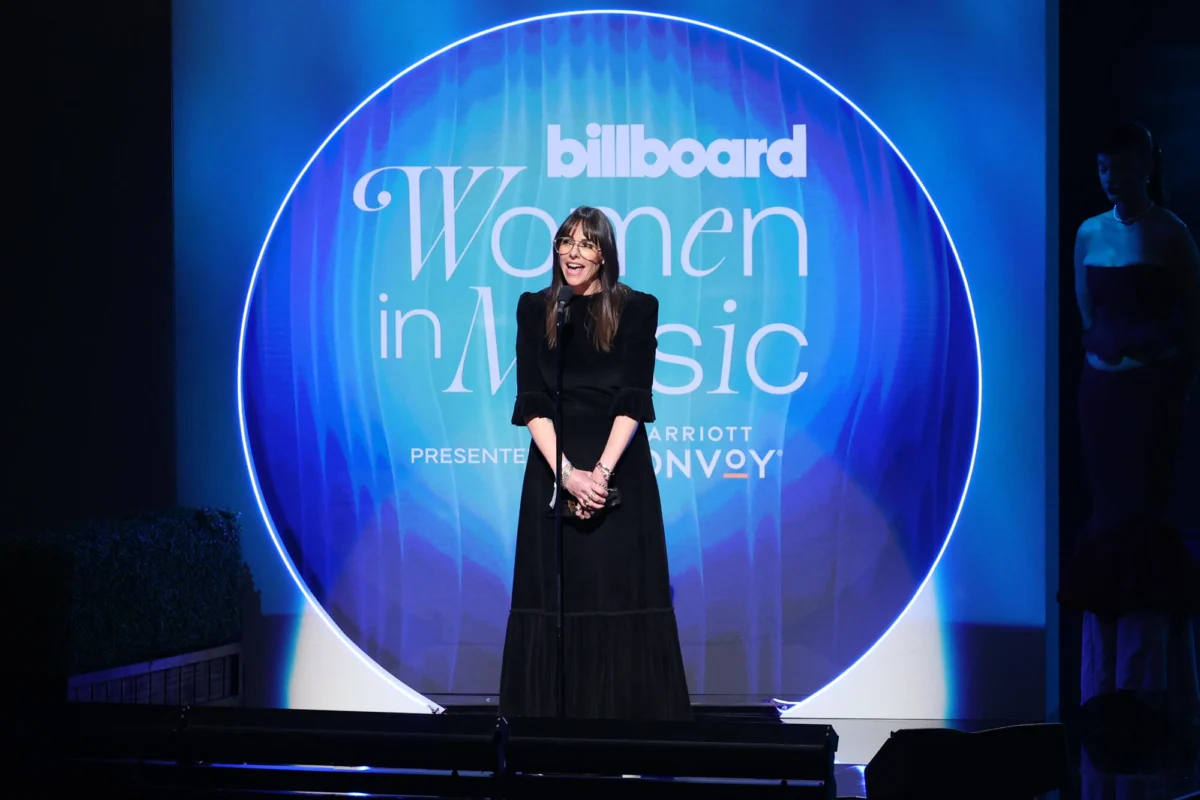
A poignant moment in the discussion came when Jubelirer revisited her 2024 Billboard Women in Music acceptance speech, where she lamented the slow pace of change regarding the representation of women in power. Two years later, her assessment was stark: "We’re f—ed. It’s gotten way worse." She extended this concern beyond women to encompass all individuals who are not "straight white men," stating that they are "kind of f—ed in the music industry."
This sobering observation reflects a deep sense of disappointment and a recognition of systemic barriers that persist. Jubelirer expressed a lack of confidence that significant change would occur within her lifetime, despite her commitment to actively working towards it. She identified a critical flaw in how progress is often measured: when women are placed in leadership roles, they are frequently expected to conform to existing patriarchal power structures.
"The reality is I don’t lead like a man," she asserted. This highlights the need for a fundamental reevaluation of leadership paradigms. True progress, she argued, requires not only increasing the number of diverse individuals in leadership positions but also adapting the very definition of what it means to lead, moving away from historically entrenched, often male-dominated, models. This sentiment resonated with attendees, drawing frequent applause throughout the 25-minute conversation, underscoring the widespread acknowledgment of these critical industry issues.