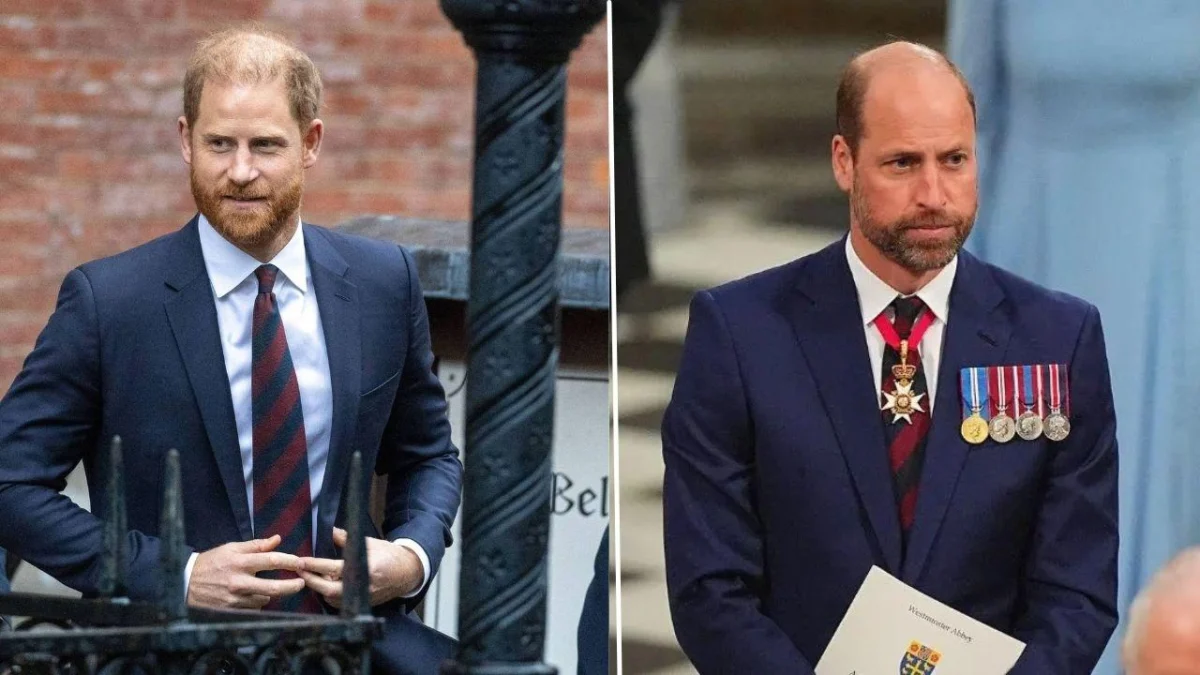
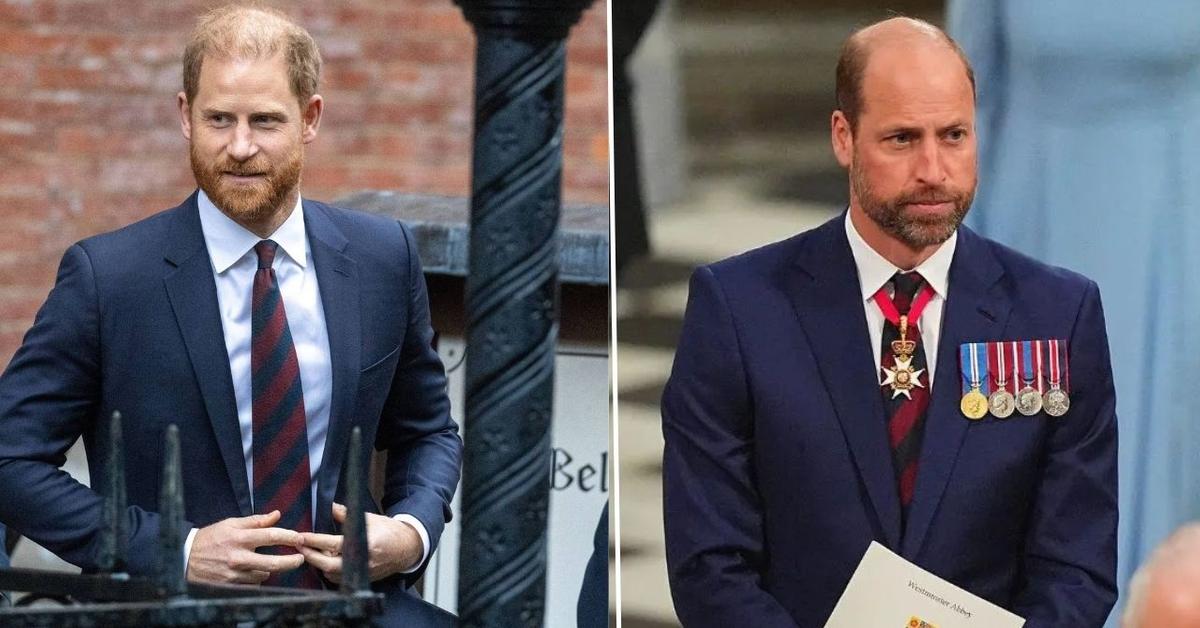
The long-standing feud between Prince William, the Prince of Wales, and Prince Harry, the Duke of Sussex, has reportedly devolved into a "very, very cold war" following Harry’s recent return to the United Kingdom. Royal historian Amanda Foreman characterized the intense royal rift to People magazine on Tuesday, September 15, emphasizing that while the open conflict may have cooled, the underlying tension remains palpable. This assessment comes amidst renewed scrutiny of the brothers’ fractured relationship, particularly after Prince Harry, accompanied by his wife Meghan Markle, arrived in the U.K. last month.
The Sussexes’ U.K. Return and its Implications
Prince Harry and Meghan, the Duchess of Sussex, arrived in the U.K. on August 26, marking a significant visit that included their children, Prince Archie, 7, and Princess Lilibet, 5, reportedly for school enrollment. This move signals a potential, albeit temporary, re-establishment of a base in the U.K. for the family, who have resided in Montecito, California, since their departure from senior royal duties in 2020. Their return has inevitably reignited discussions about the future of their relationship with the wider British royal family and the implications for the monarchy’s public image.
A Deep-Seated Royal Rift: From "Hot War" to "Cold War"
The term "cold war" suggests a period of intense rivalry and ideological conflict, devoid of direct military action but characterized by proxy battles, propaganda, and a constant state of tension. In the context of the royal rift, this metaphor aptly describes the current dynamic between the brothers. The initial period, often dubbed a "hot war," saw public accusations and revelations, particularly through the Sussexes’ interview with Oprah Winfrey in 2021 and Prince Harry’s autobiography, Spare, published earlier this year. These events laid bare deep-seated grievances, including allegations of racism within the institution, a lack of support for Meghan’s mental health struggles, and intense media scrutiny that Harry claimed the family failed to protect them from.
Royal author Russell Myers, also speaking to People, indicated that Prince William and his wife, Catherine, the Princess of Wales, both 44, intend to maintain a significant distance from the Sussexes during their time in England. Myers stated, "William’s view is clear — any relationship his father [King Charles] has with Harry or the Sussexes as a family is entirely up to him." However, he stressed William’s personal position, adding, "But looking toward the future, he will have no relationship with them, in a working or private capacity whatsoever." This firm stance from the heir to the throne underscores the profound nature of the estrangement.
Background of the Feud: A Timeline of Disagreement
The genesis of the Prince William and Prince Harry feud can be traced back several years, preceding the formal "Megxit" in 2020. Reports suggest initial friction arose around Prince Harry’s relationship with Meghan Markle, with William allegedly expressing concerns about the speed of their courtship. These private tensions escalated as Harry and Meghan began to articulate their struggles within the royal institution, feeling unsupported and subjected to relentless media intrusion.
- 2018-2019: Early whispers of a rift emerge, with the Sussexes eventually separating their charitable foundation from William and Kate’s.
- January 2020: Harry and Meghan announce their intention to step back as senior working royals, leading to the "Sandringham Summit" and the formalization of their new roles. They relocate to North America.
- March 2021: The explosive interview with Oprah Winfrey airs, detailing significant allegations against the royal family and deepening the public perception of a crisis within the monarchy.
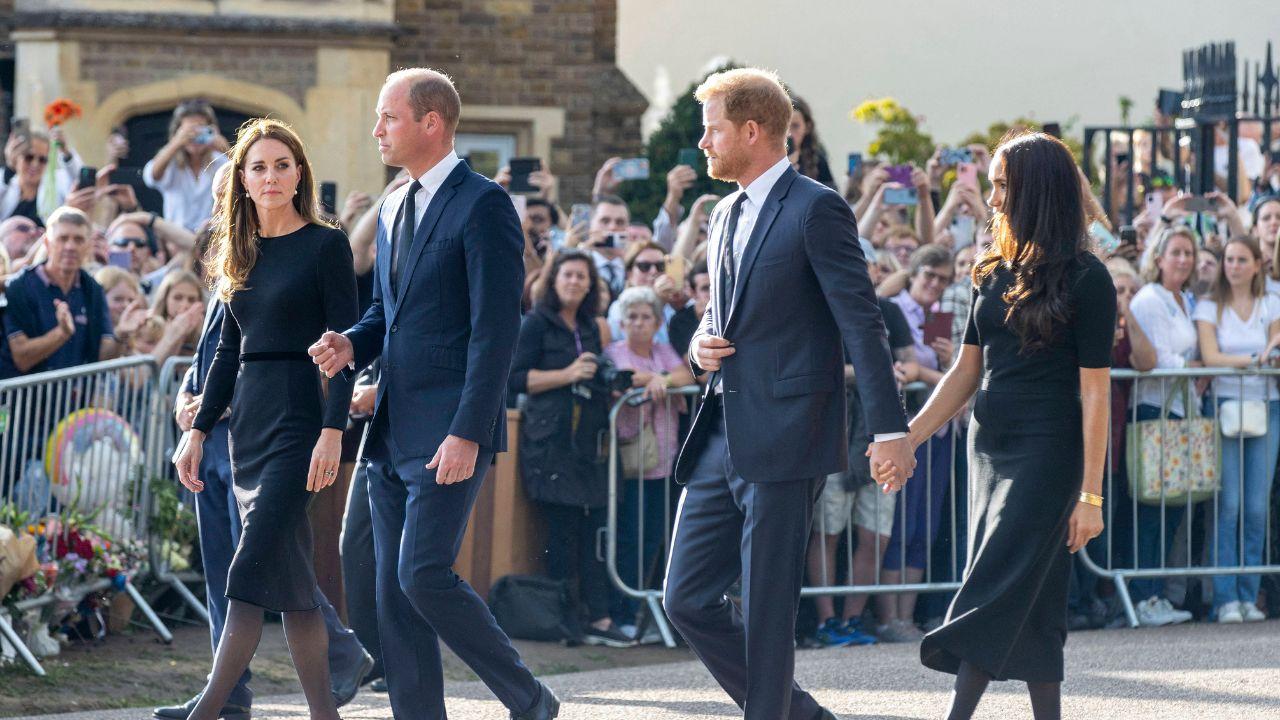
- September 2022: The death of Queen Elizabeth II brings the brothers together for public appearances, but body language and limited interactions suggest no genuine reconciliation.
- January 2023: Prince Harry’s memoir, Spare, is released, containing highly personal and often unflattering accounts of his brother, father, and stepmother, Camilla, further solidifying the chasm between him and the rest of the family. He recounted a physical altercation with William and accused him of allowing false stories to be planted in the press.
These events have created a complex narrative of personal grievance intertwined with institutional duty, making any genuine thaw in the royal rift incredibly challenging.
King Charles’s Position and the Future of Royal Titles
While Prince William has reportedly distanced himself, King Charles III, 77, appears to be navigating a more nuanced approach, particularly concerning his grandchildren. Despite the ongoing Prince William and Prince Harry feud, the Sussexes met with King Charles in July at Highgrove House. The monarch is reportedly keen to foster a stronger relationship with Prince Archie and Princess Lilibet, expressing a desire to spend more time with them.

However, King Charles has also taken steps to define the Sussexes’ official status. Earlier this month, he released a letter clarifying that Prince Harry and Meghan Markle are to be considered "private citizens" and are no longer permitted to use their HRH (His Royal Highness/Her Royal Highness) titles. This formal declaration reinforces their non-working royal status and limits their capacity to represent the monarchy in any official capacity. Myers confirmed that the King and the Prince of Wales are "completely united on the Sussexes not representing the royal family," adding, "It’s without a doubt how in sync they are on this matter." This united front between the current monarch and the future king signals a clear boundary regarding the Sussexes’ role within the institution.
Analysis and Broader Implications for the Monarchy
The continuation of the royal feud between Prince William and Prince Harry carries significant implications for the British monarchy. At a time when King Charles III is seeking to modernize and streamline the institution, the ongoing public perception of familial discord can be detrimental. It presents a challenge to the image of unity and stability that the monarchy strives to project, particularly in a modern, media-saturated world.
The contrast between William and Kate, who are increasingly positioned as the dutiful future of the monarchy, and Harry and Meghan, who have carved out an independent life, highlights a fundamental tension between tradition and personal freedom. This tension resonates deeply with public discourse, where opinions are often divided between those who prioritize royal duty and those who sympathize with the Sussexes’ desire for autonomy and privacy. The Prince William and Prince Harry rift thus becomes a microcosm of broader societal debates about family, loyalty, and public expectation.
Public Impact and Cultural Resonance
The feud between Prince William and Prince Harry has captivated audiences globally, extending far beyond traditional royal watchers. For many, it’s a relatable story of sibling rivalry and family estrangement, albeit played out on a global stage with immense historical weight. The saga has fueled countless articles, documentaries, and social media discussions, illustrating the enduring fascination with the private lives of public figures, especially those embedded in centuries of tradition.
The public’s perception of the monarchy is undoubtedly influenced by this ongoing drama. While some may view Harry and Meghan as betrayers of royal duty, others see them as courageous individuals who prioritized their mental well-being and sought a different path. This division in public sentiment adds another layer of complexity to the challenges facing the institution, which relies heavily on public approval and a sense of shared heritage. The media, both traditional and social, plays an undeniable role in shaping these narratives, often amplifying every perceived slight or moment of tension.
Looking Ahead: The Enduring Cold War
As Prince Harry and Meghan Markle establish a temporary base in the U.K., the immediate future suggests the "very, very cold war" between the brothers is likely to persist. While the necessity of attending major family events, such as the Olympics as Foreman alluded, might bring them into proximity, genuine reconciliation appears distant. The firm stance taken by Prince William, supported by King Charles regarding the Sussexes’ official capacity, indicates a clear institutional boundary.
The focus for William and Catherine, the Princess of Wales, will remain on their duties as senior working royals and preparing for their future roles as King and Queen. They will likely continue to prioritize stability and traditional royal engagements. Meanwhile, Prince Harry and Meghan Markle will likely continue to balance their private lives with their independent projects, with occasional visits to the U.K. for personal or family reasons. The challenge for the monarchy will be to manage this enduring royal rift while maintaining its image as a unified and relevant institution in the 21st century. The path forward for these royal siblings remains fraught with unresolved issues, leaving observers to ponder if and when a true thaw might ever occur in their prolonged "cold war."