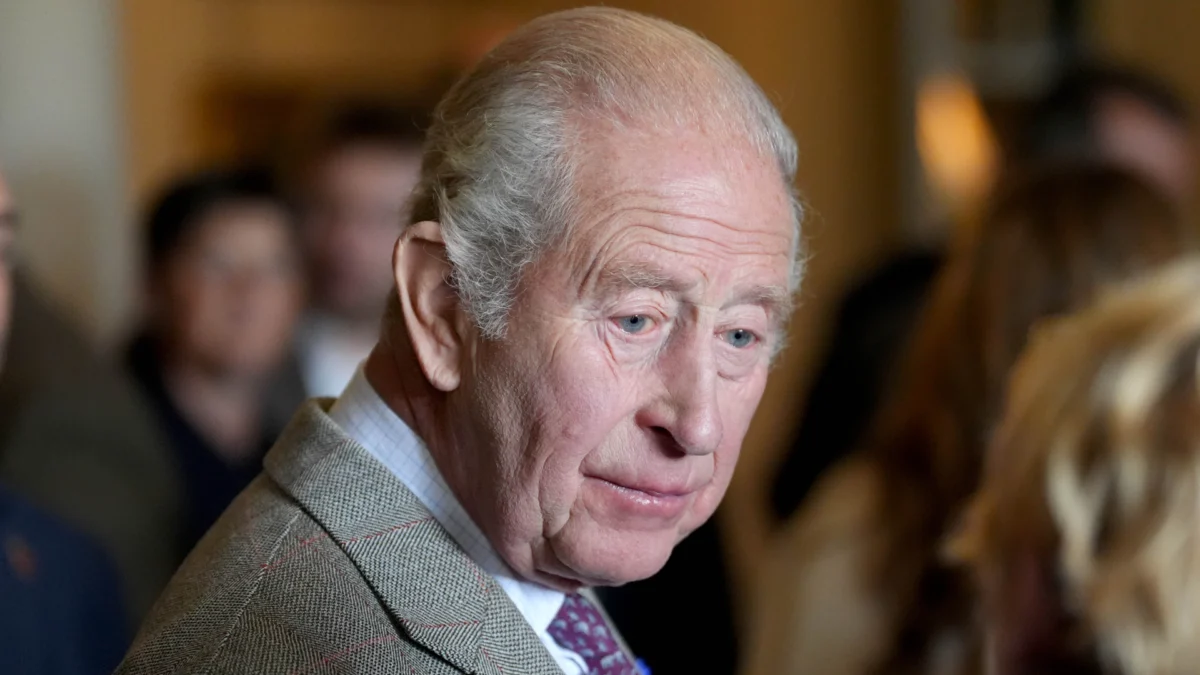
King Charles has issued a rare public statement in response to an explosive claim made by Earl Spencer, the younger brother of the late Princess Diana, alleging that the then-Prince of Wales made a deeply insensitive remark following Diana’s tragic death in 1997. The controversy stems from Spencer’s forthcoming memoir, Swan Song: Diana, My Sister, which attributes to Charles the comment, "We’ll forget her soon enough," a revelation that has ignited a fierce public debate and drawn widespread criticism across the United Kingdom.
The Bombshell Memoir Claim
Earl Spencer’s highly anticipated memoir, slated for release next week, has already sent shockwaves through royal circles and the British public. At the heart of the furor is a specific recollection by Spencer regarding a conversation he allegedly had with Prince Charles in the immediate aftermath of Diana’s fatal car crash in Paris. According to Spencer, the then-heir to the throne uttered the controversial phrase, suggesting a quick dismissal of Diana’s memory. This claim has been met with significant outrage, particularly given Diana’s enduring status as a beloved, almost mythical, figure in Britain and globally, whose memory remains deeply cherished decades after her passing. The alleged comment is perceived by many as a cruel and stark indication of a lack of empathy from the Royal Family towards the woman who was once a central figure within it.
Earl Spencer’s Allegations
The memoir provides a more detailed context for the alleged comment. Spencer writes that he had a telephone conversation with Prince Charles during which Spencer expressed his strong reservations about his nephews, 15-year-old Prince William and 12-year-old Prince Harry, walking behind their mother’s coffin in the funeral procession. Spencer claims that Charles "unleashed down the phone what I have always taken to be his pent-up contempt for Diana, and his horror that the world was so bowled over by her death." It was in this heated exchange, Spencer alleges, that Charles "hissed, ‘Rest assured, we’ll forget her soon enough.’" This specific framing paints a picture of a deeply strained relationship and simmering resentment, adding layers of complexity to the already sensitive historical narrative surrounding Diana and her ex-husband.
King Charles’s Rare Public Statement
The intensity of the public reaction to Spencer’s claims prompted an unusual intervention from Buckingham Palace. Breaking its customary silence on private family matters and published books, the Palace released a carefully worded statement addressing the controversy. The statement read: "While we do not comment on books as a matter of principle, His Majesty is mindful that the pain of fraternal grief can cloud reason, affect judgment and colour memory in ways others do not recognise, even many years after such a loss." This response, while not a direct denial, subtly casts doubt on the accuracy of Spencer’s recollection, suggesting that grief may have distorted his memory of events.
A Strategic Royal Response
The Palace’s statement represents a strategic diplomatic maneuver, designed to address a damaging public narrative without engaging in a direct war of words. By invoking the concept of "fraternal grief" and its potential to "cloud reason," the Palace implicitly acknowledges the profound sorrow experienced by Spencer while simultaneously questioning the reliability of his account. This approach aims to diffuse tension and protect the King’s image without explicitly calling Spencer a liar. It underlines the monarchy’s enduring challenge of managing public perception, especially when confronted with sensitive historical events and deeply personal family grievances. The decision to issue any statement at all underscores the gravity with which the Palace views this particular bombshell memoir claim.
Echoes of Past Royal Statements
Observers and reporters were quick to draw parallels between the Palace’s current response and a previous, highly significant statement made by Queen Elizabeth II in 2021. Following allegations of racism leveled by Prince Harry and Meghan Markle during their interview with Oprah Winfrey, the Queen famously responded with the phrase, "recollections may vary." This similarly veiled but firm statement allowed the monarchy to acknowledge the seriousness of the claims while subtly suggesting that different individuals might have different interpretations or memories of the same events. The repetition of this nuanced linguistic strategy indicates a refined playbook within the Palace for navigating high-stakes public relations crises involving personal testimonies that challenge the royal narrative. Both instances highlight the monarchy’s consistent effort to project an image of stoicism and continuity, even when confronted with deeply personal and potentially damaging accusations.
Public Outcry and Diana’s Enduring Legacy
The alleged comment attributed to King Charles has reignited long-standing public sentiment regarding the Royal Family’s perceived coldness and lack of emotional transparency. Princess Diana’s death in 1997 triggered an unprecedented outpouring of national grief, and her memory remains sacrosanct for many Britons. Her image as the "People’s Princess," juxtaposed against a seemingly aloof monarchy, cemented a narrative that has persisted for decades. Any insinuation of disrespect or dismissal of her legacy, particularly from a member of the Royal Family, tends to provoke a strong emotional response. The public’s fierce reaction to this bombshell memoir claim underscores Diana’s unparalleled and enduring cultural significance.
The Controversy Over Empathy
For many, the claim that Charles would have wished to "forget her soon enough" taps into a broader criticism of the Royal Family’s perceived struggle with demonstrating genuine empathy, especially during moments of national hardship or personal tragedy involving its members. The image of the monarchy often relies on an emotional connection with its subjects, yet historical events, particularly those surrounding Diana’s life and death, have sometimes cast a shadow on this perception. Spencer’s account, if widely believed, would further cement this narrative, suggesting a deep-seated indifference rather than the compassion expected from public figures, let alone a grieving ex-husband and father. This perception of a lack of empathy is a recurring theme that the monarchy has consistently worked to counter, particularly in recent years through the public efforts of younger royals like Prince William and Kate Middleton.
Behind the Funeral Procession Debate
Earl Spencer’s memoir details more than just the alleged "forget her soon enough" comment; it provides critical context regarding the contentious arrangements for Diana’s funeral. Spencer vehemently opposed the decision for his young nephews, Prince William and Prince Harry, to walk behind their mother’s coffin through the streets of London. He viewed it as an inhumane imposition on two grieving boys, forcing them into an intensely public spectacle. His account suggests that this disagreement was a flashpoint, revealing the underlying tensions and differing approaches to grief and public duty within the family.
A Clash Over Royal Protocol
The debate over the funeral procession highlights a fundamental clash between personal grief and royal protocol. For the monarchy, the funeral of a senior royal, even a divorced one, is a state occasion, steeped in tradition and designed to project stability and continuity. The participation of the young princes was seen by some as a necessary act of public duty, symbolizing the continuation of the royal line and a unified front of mourning. However, Spencer, as Diana’s brother, prioritized the emotional well-being of his nephews, arguing fiercely against what he considered an unbearable burden. His memoir positions Charles’s alleged "stream of anger" and the "forget her soon enough" comment within this specific, highly emotional disagreement, suggesting that Charles’s frustration was not only with Spencer’s defiance but also with the overwhelming public adoration for Diana that contrasted sharply with his own public image.
Broader Implications for the Monarchy
This latest public quarrel between King Charles and his former brother-in-law threatens to cast a long shadow over the Royal Family, particularly as it coincides with several significant royal engagements. The timing is particularly inconvenient, as Prince Harry made his first major appearance in Britain since returning with Meghan Markle, alongside King Charles, Prince William, and Kate Middleton attending other high-profile events. The resurfacing of past grievances and the resulting media storm inevitably divert attention from the monarchy’s current work and its efforts to project an image of stability and modernization.
Navigating Public Sentiment
The incident underscores the delicate balance the monarchy must maintain in navigating public sentiment. While King Charles has worked to cultivate an image of a more approachable and empathetic monarch since his accession, revelations like those in Spencer’s memoir can quickly unravel years of careful public relations. The deep affection for Diana among the British public means that any perceived slight against her legacy can generate significant backlash, regardless of the passage of time. The monarchy’s legitimacy, in part, rests on its ability to connect with the emotional landscape of the nation, and such controversies test that bond.
The Weight of Royal Narratives
This episode also highlights the ongoing power of royal memoirs and personal accounts to shape, and sometimes destabilize, the public narrative surrounding the monarchy. From Diana’s own collaborations to Prince Harry’s Spare, these personal stories offer alternative perspectives that often challenge the carefully curated image presented by the Palace. Earl Spencer’s Swan Song is the latest in a series of such narratives, each contributing to a complex, multi-faceted understanding of the Royal Family, often revealing internal tensions and personal struggles that belie their public facade. The monarchy must continually adapt its communication strategies to manage these competing narratives in an increasingly scrutinized global media environment.
Looking Ahead: The Monarchy Under Scrutiny
The fallout from Earl Spencer’s memoir will undoubtedly linger, compelling the Royal Family to navigate another period of intense public scrutiny. While the Palace’s response aims to mitigate damage, the core claim about King Charles’s alleged insensitivity towards Diana’s memory will likely remain a topic of discussion. The incident serves as a stark reminder of the enduring emotional legacy of Princess Diana and the profound impact she continues to have on public perception of the British monarchy. As King Charles III continues his reign, the shadow of past events and the personal narratives of those close to the royal household will remain powerful forces shaping his image and the future of the institution he leads.