Duncan Sheik, the Grammy-nominated singer-songwriter and Tony Award-winning composer who bridged the gap between 1990s alternative pop and the modern Broadway stage, died Thursday in Manhattan at the age of 56. His mother, Suzanne Sheik, confirmed the news to the media, stating that the cause of death was heart failure leading to cardiac arrest. Sheik’s passing marks the end of a career defined by an unusual duality: he was both a mainstay of adult contemporary radio and the architect of a musical theater revolution that empowered a new, digitally connected generation of fans.
Born in Montclair, New Jersey, and raised in South Carolina, Sheik first rose to international prominence in 1996 with his self-titled debut album. The record featured the hit single "Barely Breathing," a mid-tempo track that captured the angst and vulnerability of the era. The song became a cultural phenomenon, spending 55 weeks on the Billboard Hot 100 and peaking at No. 16. Its longevity on the charts earned Sheik a Grammy nomination for Best Male Pop Vocal Performance and established him as a significant voice in the guitar-driven pop landscape of the late 90s.
The Early Success of Duncan Sheik and "Barely Breathing"
While "Barely Breathing" solidified Duncan Sheik as a household name, his interests quickly pivoted away from the standard trajectory of a pop star. He often expressed a desire to move beyond the constraints of three-minute radio singles, seeking more complex narrative structures for his compositions. During the late 1990s and early 2000s, Sheik released several critically acclaimed solo albums, including Humming and Daylight, which showcased his intricate arrangements and philosophical lyrics. However, it was his transition to the world of theater that would ultimately define his long-term legacy.

In the early 2000s, Sheik began collaborating with lyricist and playwright Steven Sater. The duo sought to adapt Frank Wedekind’s controversial 1891 German play, Spring Awakening, into a rock musical. The original play had been banned and censored for decades due to its frank depiction of teenage sexuality, abortion, suicide, and the failures of the adult world. Sheik and Sater saw in this historical text a timeless resonance that they believed could be amplified through the lens of modern rock and folk music.
Reimagining Broadway with the Success of Spring Awakening
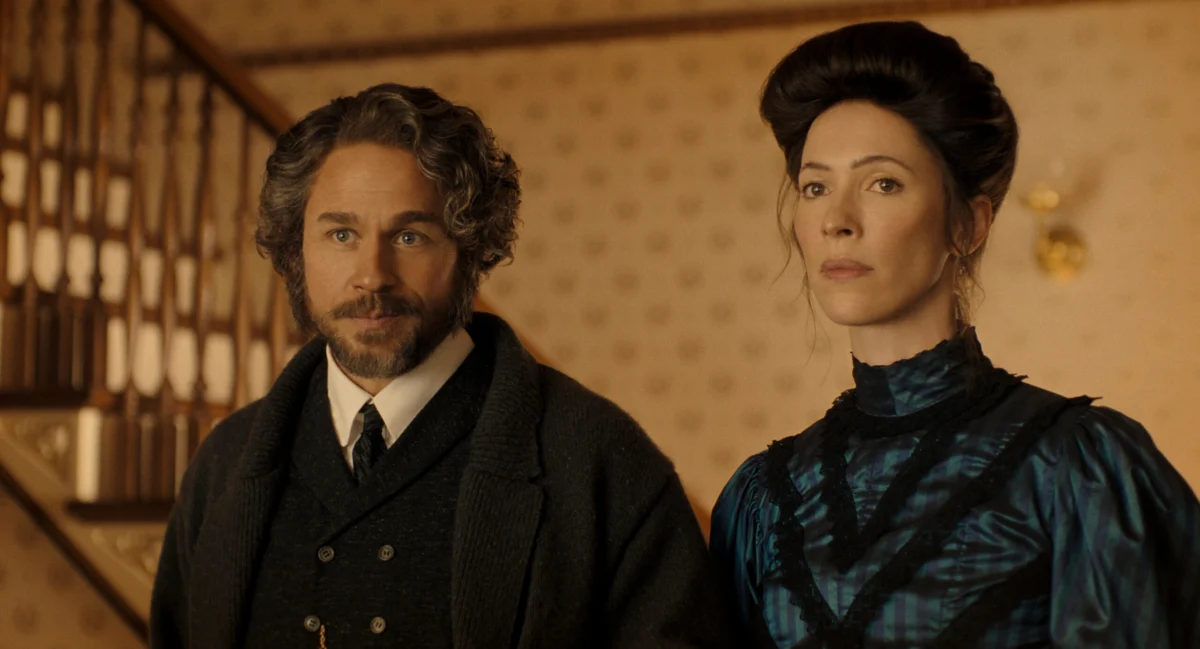
When Spring Awakening premiered Off-Broadway at the Atlantic Theater Company in 2006 before moving to the Eugene O’Neill Theatre, it was unlike anything audiences had seen. The production utilized a unique staging device where actors would pull handheld microphones from their pockets to sing, signaling a shift from the 19th-century dialogue to the internal, contemporary rock-and-roll thoughts of the characters. Duncan Sheik’s score was the engine of this innovation, blending haunting acoustic ballads with aggressive, high-energy rock anthems.
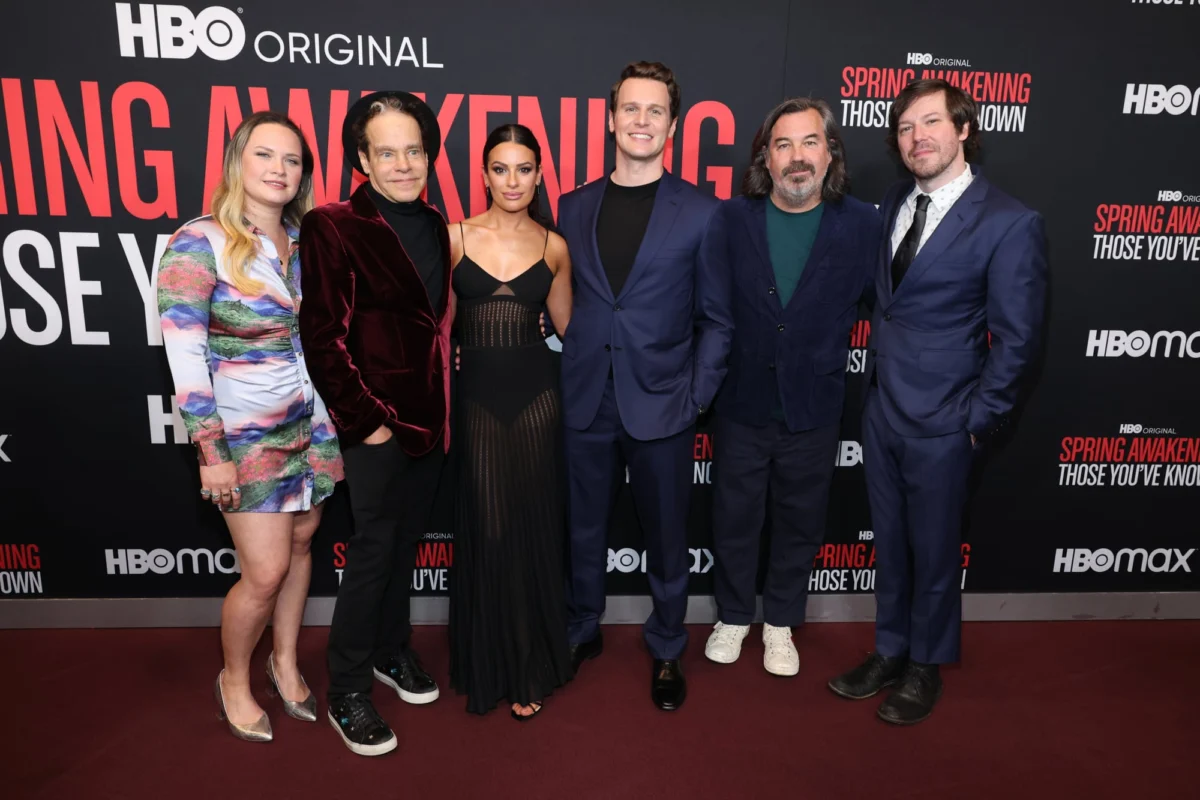
The musical became a critical and commercial juggernaut, winning eight Tony Awards in 2007, including Best Musical and Best Original Score for Sheik. The production also served as a launchpad for a new generation of stars, including Jonathan Groff, Lea Michele, John Gallagher Jr., and Skylar Astin. For the theater industry, Spring Awakening proved that rock music on Broadway did not have to be a gimmick; it could be a sophisticated tool for storytelling that spoke directly to younger demographics.
How Duncan Sheik Soundtracked the First Digital Theater Fandom
The timing of the show’s success coincided with the rise of social media and digital video sharing. Duncan Sheik unintentionally became the sonic architect for what cultural critics often call the first "extremely online" theater fandom. In the mid-2000s, as platforms like YouTube and MySpace were gaining traction, Spring Awakening fans—many of whom were teenagers who felt alienated by traditional musical theater—found one another online. They traded bootleg recordings, analyzed lyrics in forums, and formed digital communities that bypassed traditional geographic barriers to Broadway.

This digital engagement changed the way theater was consumed. Fans who lived hundreds of miles from New York City felt a deep, personal connection to Sheik’s music, which gave voice to the turbulence of adolescence. Songs like "The Bitch of Living," "Totally Fucked," and "Mama Who Bore Me" became anthems for a generation navigating their own identities in an increasingly digital world. Sheik’s ability to capture the specific intensity of "feeling everything too much" made him a hero to theater kids who found solace in his melodies.
The Evolution of a Composer: Beyond the Pop Charts
Following the monumental success of Spring Awakening, Duncan Sheik continued to push the boundaries of musical theater. He avoided repeating the same formula, instead opting for diverse and often dark subject matter. In 2013, he premiered a musical adaptation of Bret Easton Ellis’s American Psycho in London, which later moved to Broadway. The score was a departure from the folk-rock of his previous work, heavily utilizing 1980s-inspired electronic synthesizers and cold, rhythmic beats to mirror the sterile, violent world of Patrick Bateman.
Sheik’s later theatrical works included Alice by Heart, a reimagining of Alice in Wonderland set in a London Underground station during the Blitz, and Whisper House, a supernatural musical set in a lighthouse during World War II. Throughout these projects, Sheik maintained a reputation as a "composer’s composer," respected by his peers for his harmonic sophistication and his refusal to pander to commercial trends. He remained active in the recording studio as well, releasing experimental albums like Legerdemain (2015) and Claptrap (2023), which continued to explore the intersection of electronic and acoustic sounds.
Legacy and Influence on Contemporary Musical Theater
Industry analysts and historians point to Duncan Sheik as a pivotal figure who helped modernize the Broadway sound. Before the mid-2000s, the "rock musical" was often viewed with skepticism or relegated to jukebox revues. Sheik’s work, along with contemporaries like Jonathan Larson, opened the door for future hits such as Next to Normal, Dear Evan Hansen, and even Hamilton. He demonstrated that a pop sensibility could coexist with the rigors of theatrical dramaturgy, creating a blueprint for the "indie-rock" aesthetic that is now common on New York stages.

The impact of Sheik’s death has been felt deeply across the entertainment industry. In the hours following the announcement, tributes poured in from former cast members and collaborators. Jonathan Groff, who originated the role of Melchior Gabor, described Sheik’s music as "the heartbeat of a generation," noting that his songs provided a safe harbor for young people to explore their most difficult emotions. Producers and directors credited Sheik with revitalizing the industry at a time when it was struggling to attract younger audiences.
Public Reaction and the Enduring Power of Music
For the general public, Sheik’s passing has sparked a wave of nostalgia for both the 90s alt-pop era and the mid-2000s Broadway revival. On social media platforms, fans have shared clips of Sheik performing "Barely Breathing" alongside footage of various Spring Awakening productions, including the 2015 Deaf West revival which brought a new layer of accessibility and depth to his score. This revival, which featured a cast of both deaf and hearing actors, was a point of immense pride for Sheik, who worked closely with the production to ensure the music translated through sign language and vibration.
The cultural footprint of Duncan Sheik extends far beyond the awards on his shelf. He leaves behind a body of work that remains a touchstone for anyone who has ever felt misunderstood by the world around them. Whether through a radio hit that defined a decade or a stage score that defined a movement, Sheik’s music functioned as a bridge between the private internal lives of his listeners and the external world.
Funeral arrangements have not yet been made public, but the family has requested that donations be made to organizations supporting arts education in public schools. In the days following his death, several Broadway theaters announced they would dim their lights in his honor, a traditional tribute to the giants of the stage. Duncan Sheik may have started his career as a pop singer "barely breathing" through a breakup, but he ended it as a visionary who gave a generation the breath they needed to sing their own truths. His influence will continue to be heard in the rehearsal rooms and bedrooms where young artists still turn to his music to find themselves.