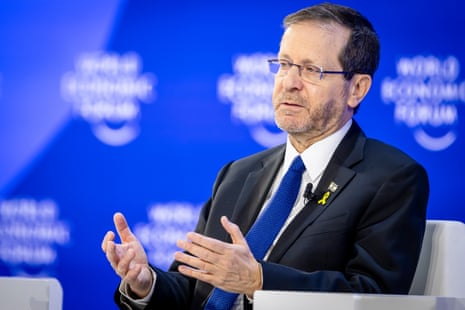
Deputy Prime Minister and Defense Minister Richard Marles has issued a firm defense of the upcoming official visit by Israeli President Isaac Herzog, as the Australian government faces mounting pressure from both internal party critics and international human rights advocates. Speaking during a series of high-profile media appearances on Thursday, Marles emphasized that the visit is a critical gesture toward Australia’s Jewish community in the wake of recent domestic tragedies. Despite the controversy, Marles stated he remains "confident" in security arrangements and the necessity of the diplomatic mission.
The invitation, extended jointly by Prime Minister Anthony Albanese and the Governor-General, has become a flashpoint for debate within the Labor Party. While the government maintains the visit is intended to honor victims of the Bondi terror attack—an event that deeply affected the Jewish community—some members of the government have expressed "deep concerns" regarding the timing and optics of the visit. The tension highlights a growing rift within the Australian political landscape over the conflict in the Middle East and the nation’s diplomatic obligations.
Marles Defends Isaac Herzog Visit Amid Growing Political Pressure
The Deputy Prime Minister’s media blitz on Thursday was characterized by a consistent message: the Herzog visit is about social cohesion and honoring those lost in domestic tragedies. Speaking to Sky News, Marles described the Israeli President as a "welcome and honored guest." He argued that the presence of the Israeli head of state is a significant gesture for the Australian Jewish community, particularly following the Bondi massacre, which many community leaders have characterized as having an overtly antisemitic undertone.

Marles’ defense comes as several prominent voices call for the invitation to be rescinded. Critics have pointed to President Herzog’s public actions during the ongoing conflict in Gaza, including widely circulated images of the President signing artillery shells. For many in the Labor Party’s rank and file, as well as the broader Australian public, these images complicate the government’s narrative of the visit as a mission of peace and mourning.
Despite these objections, Marles reiterated that the government would provide all necessary security protocols standard for a visiting head of state. He noted that while the government acknowledges the "depth of feeling" across various communities, the official diplomatic schedule will proceed as planned. The Defense Minister’s stance signals a commitment to traditional diplomatic norms even as the domestic political cost continues to rise.
Internal Labor Dissent and International Legal Questions
The Herzog visit has triggered a rare public display of discord within the Labor Cabinet. Industry Minister Ed Husic, a vocal advocate for Palestinian rights, has been among the most prominent internal critics. In a recent podcast appearance, Husic stated he found it difficult to reconcile the image of Herzog signing munitions with the Australian government’s goals for social cohesion. "I don’t think this was a good decision," Husic remarked, highlighting the difficulty of balancing community expectations with international diplomacy.
Adding to the government’s challenges are the comments of Chris Sidoti, a member of the United Nations commission of inquiry on the occupied Palestinian territories. Sidoti has publicly urged the Albanese government to withdraw the invitation, citing allegations that the Israeli President has incited actions that could be scrutinized under international law. These concerns have been echoed by the Palestine Action Group, which has already announced plans to protest Herzog’s arrival in Sydney next week.
Foreign Affairs Minister Penny Wong addressed these legal concerns on Thursday morning, confirming that the government had "considered legal advice" regarding its international obligations. Wong noted that while Israel will ultimately be judged by the International Court of Justice regarding its compliance with the Genocide Convention, the current visit serves a specific domestic purpose. She emphasized that the Australian Jewish community requested the visit as a means of healing and support following the loss of 15 Australians in recent months.
Security Concerns and Protests in New South Wales
As the date of the visit approaches, the New South Wales Police Force has taken preemptive measures to manage potential unrest. Authorities have extended restrictions on protests in certain areas of Sydney to ensure the safety of the visiting delegation and the public. These measures have been criticized by civil liberties groups and pro-Palestinian organizations, who argue that the restrictions infringe upon the democratic right to assembly.
The Palestine Action Group has remained defiant, stating that their planned marches will go ahead regardless of police restrictions. This setup creates a volatile environment for security agencies. Marles, however, remains steadfast in his assessment of the situation. "I’m very confident about the security arrangements that will be put in place," he told reporters, stressing that Australian agencies are well-equipped to handle high-stakes diplomatic visits.
The security apparatus for such a visit involves a multi-agency approach, including the Australian Federal Police, state police units, and intelligence services. The goal is to provide a "sterile" environment for President Herzog while allowing for the expression of dissent in a controlled manner. However, with emotions running high, the logistical challenge of protecting a foreign leader who is currently a lightning rod for international criticism cannot be overstated.
Broader Political Context: Housing and Economic Reform
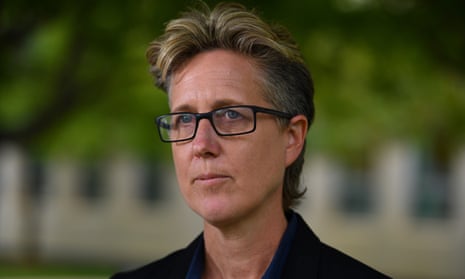
While the Herzog visit dominated the headlines, the Australian political sphere is also grappling with significant domestic policy debates. The Australian Council of Trade Unions (ACTU) has intensified its call for a major overhaul of the nation’s tax system, specifically targeting the Capital Gains Tax (CGT) discount. ACTU Secretary Sally McManus argued on Thursday that the current tax settings are fueling housing inequality and favoring the wealthy at the expense of average workers.
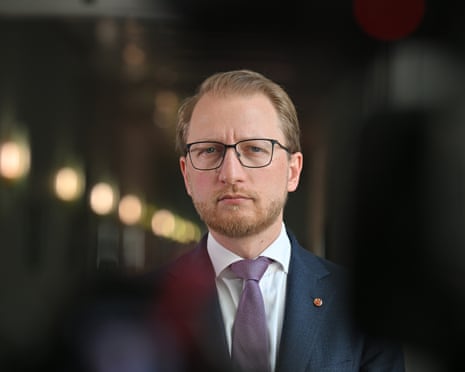
The CGT discount, introduced in 1999 under the Howard government, allows individuals to pay tax on only half of the profit made from the sale of an asset held for more than a year. Critics argue this has led to a surge in property speculation, driving house prices to nearly 11 times the average annual wage. Marles, when questioned on the matter, was careful not to rule out future changes but emphasized that the government’s current focus remains on the "supply side" of the housing crisis.
"Our strategy in terms of dealing with housing affordability is very much on the supply side and seeing more houses built," Marles said. This "rule in, rule out" game is a staple of Australian political discourse, especially as the government prepares for the upcoming budget. The pressure from the Greens and the ACTU suggests that tax reform will remain a central theme of the legislative calendar for the remainder of the year.
Liberal Party Leadership and Opposition Stability
On the other side of the aisle, the Coalition is dealing with its own internal dynamics. Recent rumors of a leadership spill against Deputy Liberal Leader Sussan Ley were addressed by Senator James Paterson on Thursday. Paterson, a senior figure in the party’s right faction, dismissed reports of an impending challenge, stating that he "consistently advocated against a spill."
Paterson’s public support for Ley is seen as an attempt to project stability within the Opposition as they prepare for the next federal election. The Liberal Party has struggled to find a consistent message on economic policy, and leadership speculation often serves as a distraction from their critiques of the Labor government. By backing Ley, Paterson is signaling that the party’s leadership group remains united, at least for the time being.
Emergency Evacuations in the Northern Territory
Amidst these political maneuvers, a natural disaster is unfolding in the Northern Territory. The town of Daly River is currently under an emergency declaration as major flooding threatens to submerge the region. Approximately 450 residents are being evacuated to emergency shelters in Darwin as the Daly River is expected to exceed 14 meters in height.
Superintendent David Moore described the evacuations as a "last resort" but emphasized that safety is the absolute priority. The Bureau of Meteorology has warned that while moderate flooding is occurring now, the situation is expected to worsen over the weekend. The logistical effort to move an entire town’s population highlights the ongoing vulnerability of northern Australian communities to extreme weather events, a topic that often intersects with the broader political debate on climate change and infrastructure spending.
Conclusion and Future Outlook
As the Albanese government navigates these overlapping crises, the coming week will be a major test of its diplomatic and domestic resolve. The Herzog visit will likely remain the primary focus of national attention, serving as a barometer for Australia’s social cohesion and its standing on the world stage. Marles’ staunch defense of the visit indicates that the government is willing to weather internal dissent to maintain its diplomatic commitments.

Simultaneously, the debates over housing tax reform and the management of natural disasters in the North will continue to demand legislative attention. The intersection of international geopolitics, domestic economic anxiety, and environmental volatility creates a complex landscape for Australia’s leaders. Whether the "confidence" expressed by Marles regarding security and policy direction will be vindicated remains to be seen as the events of the next week unfold.