European intelligence officials are sounding their most urgent alarms to date, warning that the Kremlin is escalating a systematic campaign of sabotage and subversion designed to fracture Western support for Ukraine. This intensifying "shadow war" involves a series of arson attacks, bombings, and disinformation campaigns that deliberately hover just below the threshold of traditional military conflict. As world leaders gather for the United Nations General Assembly in New York, the consensus among continental security agencies is that Moscow is no longer merely posturing but is actively probing the defensive architecture of the North Atlantic Treaty Organization.
Intelligence directors from the Czech Republic, Latvia, and Sweden have recently signaled that a direct Russian challenge to NATO territory may be a matter of months rather than years. These warnings follow a period of relative consolidation for Vladimir Putin, who recently secured another term in a tightly controlled Russian election. The Kremlin’s confidence has been further bolstered by the electoral successes of far-right, Russia-friendly parties in Europe, most notably the Alternative for Germany (AfD), which saw significant gains in recent state polls.

The primary objective of this hybrid offensive appears to be the erosion of public resolve within NATO member states. By targeting civilian infrastructure and logistics hubs used for transporting aid to Kyiv, Russia seeks to demonstrate that support for Ukraine carries a high domestic cost. European officials argue that while the tactics are non-kinetic, the intent is unmistakably hostile, forcing a difficult debate over whether the alliance is already in a de facto state of war.
The Anatomy of a Hybrid Offensive
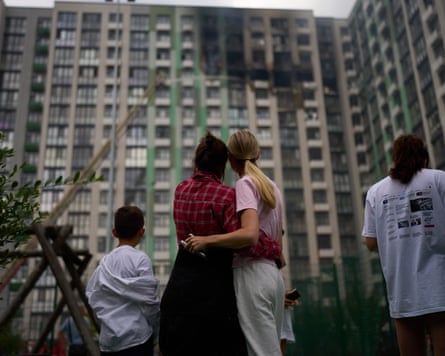
Since the start of 2024, a catalog of unexplained incidents has plagued European defense facilities and commercial centers. In Italy, Bulgaria, Estonia, and Slovakia, fires have broken out at facilities linked to the production or storage of military hardware destined for the Ukrainian front. While investigators often struggle to find a "smoking gun" directly linking these events to the GRU or FSB, the pattern of activity suggests a coordinated effort to disrupt the European defense supply chain.
In one of the most high-profile cases, German authorities discovered an explosives-laden drone positioned near a Ukrainian cargo plane at Leipzig airport. The aircraft was reportedly carrying ammunition, and the discovery prompted a massive security review across German aviation hubs. Further investigations revealed a troubling loophole in European security: one of the suspects had entered the Schengen free-movement zone using a standard Italian tourist visa, highlighting the ease with which hostile actors can navigate the continent.
The sabotage campaign is not limited to military targets. In Lithuania, a massive fire at an Ikea store in the capital was attributed to Russian-linked arsonists. In France, security services were stunned when five coffins draped in French flags and inscribed with the words "French soldiers in Ukraine" were left at the foot of the Eiffel Tower. These acts are designed to generate headlines and stoke domestic anxiety, feeding a narrative that European involvement in the conflict is leading to direct retaliation on home soil.
Evolution of the Shadow War and Russia’s Tactical Shift
Geopolitical analysts note a significant shift in how Russia conducts its "grey zone" operations. Historically, the Kremlin relied on highly trained, deep-cover intelligence officers—often referred to as "illegals"—to carry out sensitive missions. However, following the mass expulsion of Russian diplomats from European capitals in the wake of the 2022 invasion, Moscow has pivoted to a "disposable" workforce.
Intelligence agencies report that Russian handlers are increasingly using encrypted messaging apps like Telegram to recruit local criminals and radicalized individuals for low-level sabotage. These "foot soldiers" are often paid in cryptocurrency to carry out acts of arson or vandalism. This method provides the Kremlin with a layer of plausible deniability; if the recruits are caught, they have no formal ties to Russian state organs, making it difficult for European governments to justify a formal diplomatic or military response.
This strategy mirrors a Soviet-era doctrine known as the "special period." During the Cold War, the KGB maintained plans for a transitional phase between peaceful coexistence and total war. This period was characterized by relentless sabotage, psychological operations, and the targeting of critical infrastructure to soften an adversary before a formal conflict began. Current intelligence suggests that the Kremlin has dusted off these playbooks, viewing the current state of European relations as a modern "special period."
Probing NATO’s Limits and the Article 5 Dilemma
The most pressing concern for European leaders is the possibility of a "test" of NATO’s Article 5, the collective defense clause that states an attack on one member is an attack on all. Polish Prime Minister Donald Tusk recently informed his parliament that intelligence assessments suggest Russia could launch limited drone or missile strikes on NATO territory in the near future. Such an attack would likely be calibrated to be damaging enough to cause panic but ambiguous enough to make a full military response by the alliance controversial.
French President Emmanuel Macron has also signaled the gravity of the threat, summoning political leaders for emergency briefings on Russian interference. The dilemma for NATO is how to respond to acts that fall in the "grey zone." If the alliance fails to respond to a small-scale attack, it risks appearing weak and inviting further aggression. However, a heavy-handed military response could escalate the situation into a full-scale continental war—a scenario that even the most hawkish European leaders hope to avoid.

The Baltic states—Estonia, Latvia, and Lithuania—have long been the "canaries in the coal mine" regarding Russian aggression. For years, they have urged Western Europe to take the Kremlin’s threats literally. While the mood in these nations has shifted from "acute panic" to viewing the threat as a "chronic condition," they remain the loudest voices calling for a more aggressive stance against Russian hybrid tactics. They argue that the current European response, consisting largely of sanctions and diplomatic expulsions, is insufficient to deter a regime that views itself as being in an existential struggle with the West.
Economic Warfare and the Shadow Fleet
Beyond physical sabotage, Russia is utilizing economic levers to undermine European stability. One of the most contentious issues is the "shadow fleet"—a collection of aging, uninsured tankers that transport Russian oil through the Baltic and North Seas in defiance of Western sanctions. These ships pose a significant environmental risk to European coastlines and provide the Kremlin with a vital financial lifeline.
There is a growing movement within the European Union to clamp down on these vessels, with some nations proposing a total ban on shadow fleet ships entering their territorial waters. However, such a move would require a level of maritime enforcement that could lead to direct confrontations with Russian-escorted convoys. This economic tug-of-war is another facet of the hybrid conflict, as Moscow uses its energy resources and shipping lanes to pressure European economies and test the unity of the bloc.

In the United Kingdom, the government has faced its own challenges with Russian interference. A recent review found that foreign disinformation was "warping" political discourse, particularly around sensitive issues like immigration and the cost of living. In June, two men linked to Russian intelligence were jailed for arson attacks on property connected to British political figures, demonstrating that even the U.K., separated by the English Channel, is not immune to the Kremlin’s reach.
Political Consequences and the Rise of the Right
The shadow war is having a profound impact on the internal politics of European nations. As governments are forced to divert more funding toward defense and intelligence, social programs often face cuts. This shift creates fertile ground for populist and far-right parties, many of whom advocate for a "grand bargain" with Russia to end the conflict in Ukraine.
In Germany, the AfD has successfully capitalized on fears of economic decline and energy insecurity, framing the government’s support for Kyiv as a betrayal of German interests. Intelligence officials worry that if these parties gain significant power, they could act as a "Trojan horse" within NATO, leaking intelligence to Moscow or vetoing critical alliance decisions. The Kremlin’s support for these movements, often through clandestine funding and social media amplification, is a key component of its strategy to test Nato’s limits from within.
German Chancellor Friedrich Merz has faced mounting pressure as his coalition struggles to balance defense spending with social stability. Analysts suggest that the Kremlin’s ultimate goal is to force a choice: either Europe continues to support Ukraine and faces internal chaos and sabotage, or it abandons Kyiv to restore a fragile peace.
Strengthening European Resolve
In response to the escalating threats, European nations are attempting to build a more robust and unified defense. The expulsion of over 150 Russian diplomats from Germany following the Leipzig incident was a clear signal of losing patience. Additionally, there are calls for tighter border controls and a more integrated intelligence-sharing network to track Russian-linked actors moving across the continent.
The United Nations General Assembly provides a platform for European leaders to project a united front, but the looming shadow of the U.S. presidential election adds a layer of uncertainty. Former President Donald Trump’s previous criticisms of NATO and his dismissive comments regarding the defense of the Baltic states have caused significant anxiety in European capitals. Leaders are aware that without a committed United States, the task of deterring Russian aggression becomes exponentially more difficult.
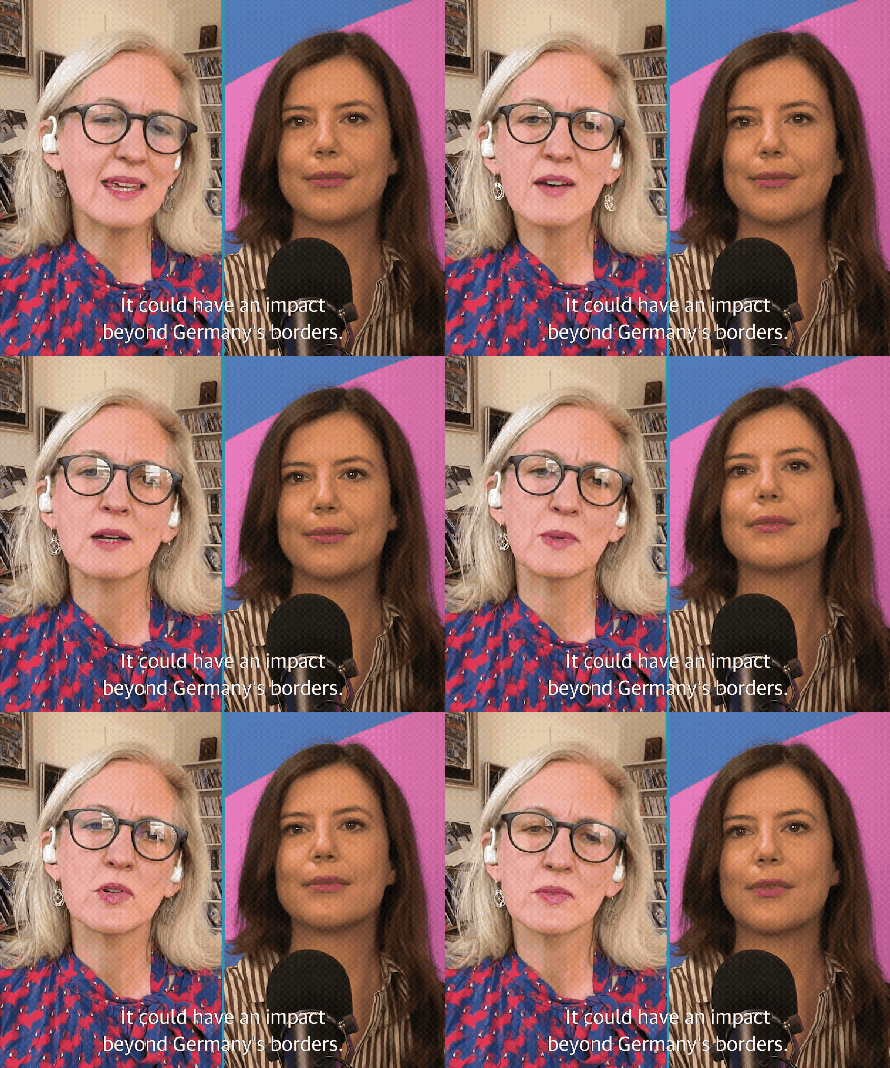
Despite the gravity of the warnings, security experts caution against succumbing to alarmism. They note that the vast majority of Russia’s conventional military capability is currently tied up in the attrition war in Ukraine. The current campaign of sabotage, while dangerous, is an admission that Moscow cannot currently win a conventional fight against NATO. The challenge for Europe is to manage this "chronic" threat without allowing it to escalate into an "acute" catastrophe.
The coming months will be a critical test for the alliance. As Russia continues to probe for weaknesses in the European social and security fabric, the response from Brussels, London, and Washington will determine whether the Kremlin’s shadow war remains in the "grey zone" or pushes the world toward a new, more dangerous era of open confrontation.