The Islamic Revolutionary Guard Corps issued a stark ultimatum on Tuesday, declaring that the Iranian military is prepared to "change the geography of war" should the United States choose to escalate the ongoing conflict in the Middle East. This warning follows a series of aggressive statements from Washington and comes at a moment of extreme tension as world leaders gather in New York for the United Nations General Assembly.
Hossein Mohebbi, a spokesperson for the Islamic Revolutionary Guard Corps (IRGC), stated in an interview with state media that Tehran is ready to deploy advanced military capabilities that have yet to be seen on the battlefield. The rhetoric signals a potential shift in Iranian strategy, moving from defensive posturing to a broader regional offensive if the U.S. continues its current military trajectory.
"If a new aggression takes place, we will definitely change the weapons and geography of the war," Mohebbi was quoted as saying by the Islamic Republic of Iran Broadcasting (IRIB). He further emphasized that Tehran’s list of potential targets has expanded significantly, warning that "our targets will no longer necessarily be the same as before."
Escalating Rhetoric from Washington and the Threat to "Change the Geography of War"
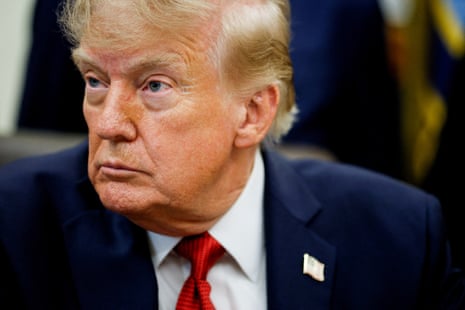
The IRGC’s declaration serves as a direct response to recent comments made by former President Donald Trump, who suggested in a Sunday interview with Fox News that "very big things are going to be happening in the not-so-distant future" regarding the Islamic Republic. Trump outlined a range of aggressive options, including the possibility of "wiping Iran out" or forcing the nation to "rot economically" if a new deal is not reached.

The exchange of threats underscores the volatility of a conflict that has been simmering since February 2026, when a joint U.S.-Israeli military campaign against Iranian interests began. Since then, the region has been gripped by a cycle of maritime blockades, drone strikes, and economic warfare that has reached a fever pitch in recent weeks.
Tehran’s threat to "change the geography of war" is interpreted by regional analysts as a warning that the conflict could spill over from its current localized fronts into a multi-theater engagement. This could include increased pressure on Western interests in the Persian Gulf, the Red Sea, and potentially the Mediterranean, involving a network of allied groups across the Levant and the Arabian Peninsula.
The Maritime Impasse and the Strait of Hormuz Crisis
At the heart of the current escalation is a high-stakes standoff in the Strait of Hormuz, the world’s most important oil transit point. Diplomatic negotiations to reopen the waterway have remained stalled for months, with Tehran insisting it will not permit the free flow of traffic until its specific security and economic conditions are met.
Currently, the IRGC has maintained a policy of intercepting and, in some cases, firing upon commercial vessels that attempt to navigate the strait without prior authorization from Iranian authorities. In response, the U.S. Navy and its allies have established a counter-blockade of Iranian ports, intensifying the economic strangulation of the country.
The disruption has had a catastrophic impact on global shipping. While the U.S. has utilized its naval presence to protect certain commercial interests, the ongoing "tanker war" has led to several civilian casualties and the destruction of high-value cargo. The counter-blockade has also hindered the delivery of humanitarian supplies to the Iranian population, further fueling the animosity between the two powers.
Houthi Advancements and the Red Sea Front
Compounding the crisis is the rapid territorial expansion of Houthi rebels in Yemen. While the Houthis maintain they operate independently of Tehran, their recent successes along the Red Sea coastline have significantly benefited Iranian strategic goals. By seizing control of territory near the Bab al-Mandab Strait, the Houthis have gained leverage over a vital shipping route linking Asia to Europe.
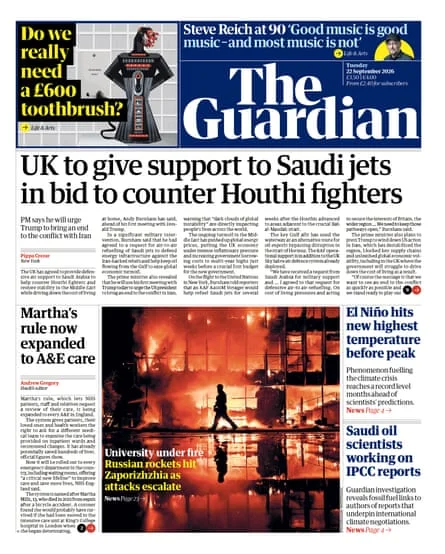
The Houthis have launched a series of sophisticated attacks against the Saudi capital, Riyadh, and various oil facilities across the kingdom. These strikes are reportedly in retaliation for Saudi-led aerial campaigns in Houthi-controlled regions. The resulting instability has sent global fuel prices soaring, creating a ripple effect that has hit American consumers at the pump.
Saudi Arabia has attempted to use the Red Sea as an alternative route for oil exports to bypass the disruption in the Strait of Hormuz, but the Houthi presence in the Bab al-Mandab has made this alternative increasingly precarious. The threat of a dual-chokepoint crisis—affecting both the Persian Gulf and the Red Sea—has placed unprecedented pressure on the global energy market.
High-Stakes Diplomacy at the United Nations General Assembly
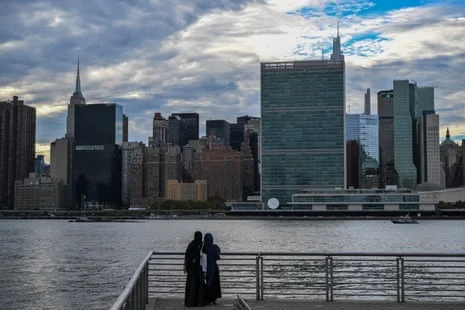
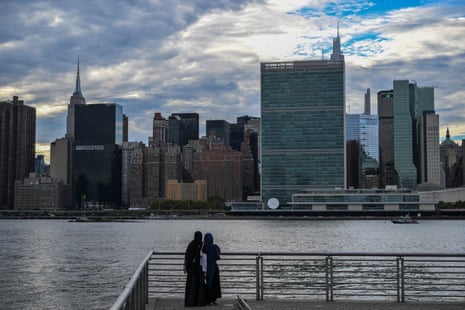
As the threat to "change the geography of war" looms, the international community is looking toward the 81st United Nations General Assembly in New York for a potential diplomatic breakthrough. The assembly, which opens its general debate on Tuesday, features a schedule of high-profile addresses from world leaders, including U.S. President Donald Trump and Brazilian President Luiz Inácio Lula da Silva.
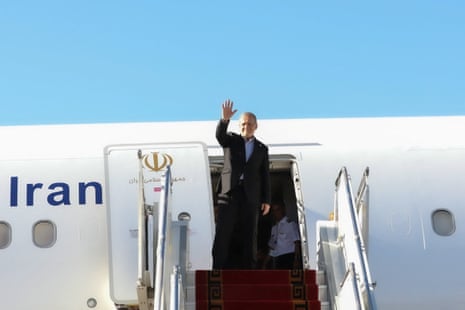
Iranian President Masoud Pezeshkian is scheduled to address the assembly on Wednesday, marking the highest-level visit by an Iranian official to the United States since the war began in early 2026. Before departing Tehran, Pezeshkian vowed to "firmly defend" Iran’s positions and convey the "plight of the Iranian people" to the world stage.
"We will make the best possible use of this opportunity to tell our adversaries that, despite all the unfairness and injustices, the Iranian people have stood their ground," Pezeshkian told reporters at Mehrabad Airport. His presence in New York is seen as a "last-ditch" effort to engage in the type of high-stakes diplomacy that could prevent a full-scale regional conflagration.
Internal Washington Tensions and the G7 Response
The U.S. administration appears to be grappling with internal divisions over how to handle the deteriorating situation. Reports suggest that President Trump has wavered on whether to authorize direct military intervention against Houthi forces in Yemen. While Saudi Crown Prince Mohammed bin Salman has reportedly made repeated appeals for U.S. airstrikes to halt the Houthi advance, the White House has thus far hesitated, citing a desire to avoid a wider ground war.
In a joint statement released earlier this week, the foreign ministers of the Group of Seven (G7) called on Iran to immediately cease its military support for the Houthis. The ministers from Canada, France, Germany, Italy, Japan, the UK, and the U.S. alleged that Tehran is in violation of UN Security Council resolutions by arming the rebel group.
Tehran continues to deny these allegations, asserting that its relationship with the Houthis is purely political. However, international observers and UN experts have pointed to the seizure of smuggled Iranian weaponry and documented military ties as evidence of a deeper operational partnership. The G7’s unified front indicates that Western powers are increasingly viewing the Yemen conflict and the Iran standoff as a single, interconnected security challenge.
Humanitarian Toll and Regional Instability
The human cost of the conflict continues to mount. In Yemen, the collapse of a 2022 ceasefire has led to a surge in violence between Houthi forces and the Saudi-backed government. Military sources report that over 150 people have been killed in just the last 48 hours due to airstrikes and heavy artillery fire in provinces such as Taiz and Marib.
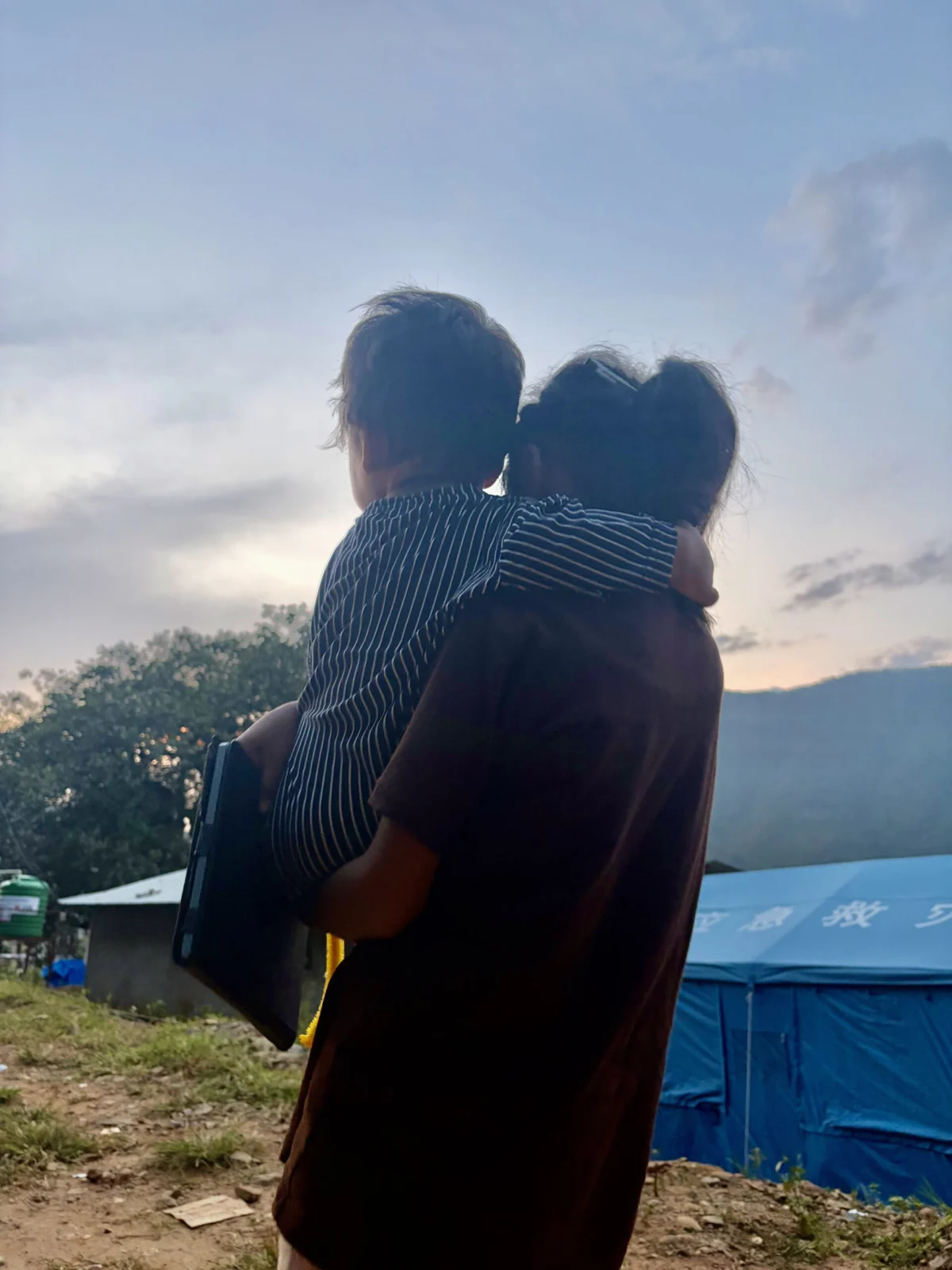
The fighting has sparked a massive refugee crisis, with thousands of civilians displaced from the Red Sea coast and seeking shelter in overcrowded camps near Aden. The devastation of Yemen’s infrastructure, combined with the blockades affecting both Iran and the southern Arabian Peninsula, has created one of the worst humanitarian disasters of the 21st century.
As the IRGC maintains its warning to "change the geography of war," the risk of accidental escalation remains high. With both U.S. and Iranian forces operating in close proximity in the Persian Gulf, a single miscalculation could trigger the "very big things" that Trump alluded to, potentially drawing the entire Middle East into a conflict without clear boundaries or an easy exit strategy.
Future Outlook and the Path to De-escalation
The coming days at the United Nations will likely determine the trajectory of the Middle East for the remainder of the year. If President Pezeshkian’s diplomatic mission fails to yield a framework for a new "deal," the IRGC’s threat to "change the geography of war" may move from rhetoric to reality.
Observers are watching for any sign of a "back-channel" opening between Washington and Tehran during the UN sessions. While the public statements from both sides remain defiant, the economic pressure on Iran and the political pressure on the U.S. administration ahead of the upcoming midterm elections may provide a narrow window for a tactical de-escalation.
For now, the global economy remains on edge, and the residents of the Middle East continue to bear the brunt of a conflict that shows no signs of abating. The IRGC’s insistence that it has "targets that have not yet been struck" serves as a grim reminder that the current crisis may only be the opening chapter of a much larger and more destructive struggle.