George Lucas, the visionary creator of the iconic Star Wars saga, recently disclosed that he had plans to direct three additional films in the franchise but ultimately chose to retire from filmmaking after completing 2005’s Episode III: Revenge of the Sith. This revelation sheds new light on the creative path not taken for the beloved cinematic universe, highlighting Lucas’s personal decision to shift his focus to other significant projects.
The legendary filmmaker shared this pivotal decision during a recent interview with Norah O’Donnell on CBS Sunday Morning. Appearing alongside his wife and business partner, Mellody Hobson, Lucas discussed the extensive efforts involved in establishing the new Lucas Museum of Narrative Art in Los Angeles. The conversation underscored the immense dedication required for the museum, which ultimately prompted Lucas to step away from active film direction.
A Pivotal Decision for the Galaxy Far, Far Away
Lucas elaborated on the motivations behind his retirement from directing, emphasizing the constraints of time and his burgeoning commitment to the museum. He noted that the intricate details and demanding nature of the museum project were consuming his available years. At 82 years old, Lucas acknowledged a limit to his capacity, making the choice to pursue the museum a conscious trade-off against further cinematic endeavors.
“When I did this,” Lucas stated, referring to the museum’s creation, “I decided to retire from making movies, which was a big deal because I had three more Star Wars to make.” He further explained his rationale, “But I realized that I was running out of time, and I did want to make this museum, and I’d spent a lot of time developing digital technology for the movie business. You know, all art depends on technology.” This statement connects his lifelong interest in technological innovation, which revolutionized filmmaking, to his new venture in the art world.
The Demands of the Lucas Museum of Narrative Art
Mellody Hobson had previously highlighted the sheer intensity of Lucas’s involvement with the museum, suggesting that the “level of detail” he poured into it “nearly killed him.” This sentiment underscores the profound personal investment Lucas made in the institution, positioning it as a capstone project distinct from his commercial film career. The museum, which opened its doors to the public on Tuesday, represents a culmination of Lucas’s passion for storytelling across various artistic mediums, from traditional illustration to digital art.
The choice to prioritize the museum meant foregoing a directorial return to the Star Wars universe, a prospect that had long intrigued fans. Lucas’s decision indicates a profound personal shift, moving from the high-stakes world of blockbuster production to a more focused role as a patron and curator of narrative art. This transition reflects a desire to leave a legacy that extends beyond the silver screen, impacting art education and appreciation for future generations.
Lucas’s Directorial Legacy in the Star Wars Universe
Throughout his career, George Lucas directed four Star Wars films, laying the foundational groundwork for one of the most successful franchises in cinematic history. He began with the franchise’s inaugural installment, 1977’s Star Wars: Episode IV – A New Hope, which redefined science fiction and special effects. While he entrusted directing duties for the subsequent two films in the original trilogy—1980’s Star Wars: Episode V – The Empire Strikes Back to Irvin Kershner and 1983’s Star Wars: Episode VI – Return of the Jedi to Richard Marquand—Lucas remained deeply involved as a writer and executive producer. His creative vision and storytelling prowess were instrumental in shaping the narrative and character arcs of these critically acclaimed sequels.
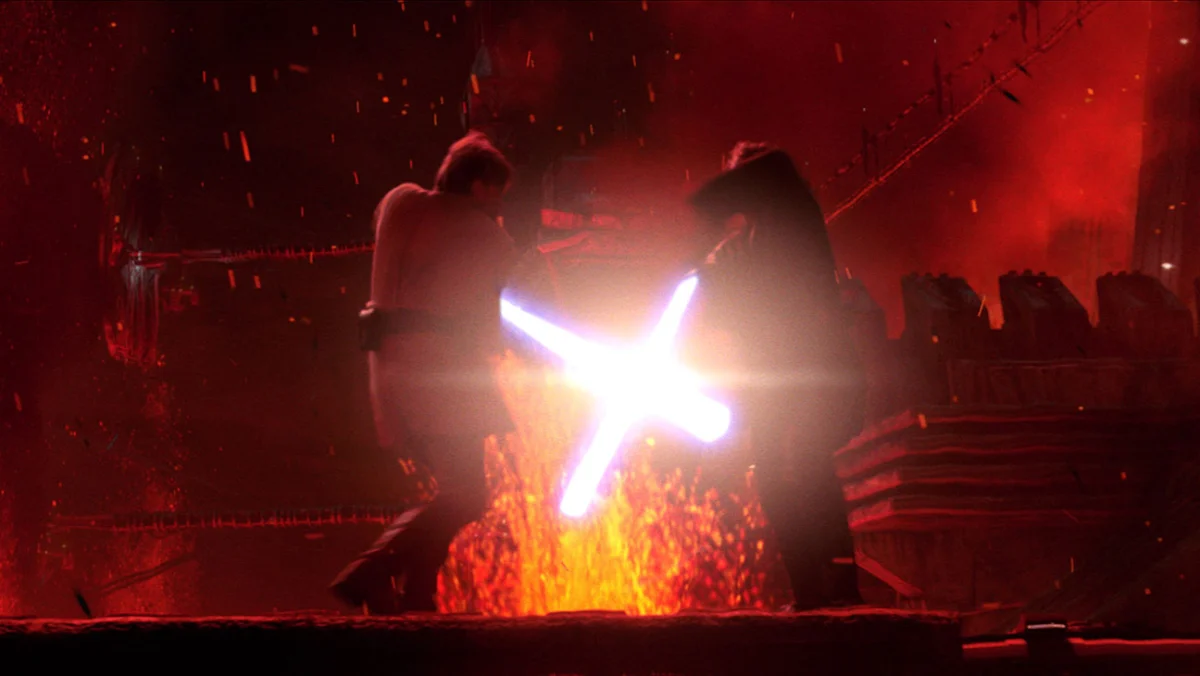
Lucas later returned to the director’s chair for the prequel trilogy, beginning with 1999’s The Phantom Menace, followed by 2002’s Attack of the Clones, and concluding with 2005’s Revenge of the Sith. These films, which explored the origins of Darth Vader and the fall of the Jedi Order, were met with varied critical and fan reactions but showcased Lucas’s continued commitment to advancing digital filmmaking technology. His pioneering work with Industrial Light & Magic (ILM) and THX significantly pushed the boundaries of visual effects and sound design, irrevocably changing the landscape of modern cinema.
The Prequel Trilogy and Its Aftermath
The prequel trilogy, particularly Revenge of the Sith, marked a significant period for Lucas as a director. It allowed him to complete the overarching narrative he envisioned, connecting the sagas of Anakin Skywalker, Obi-Wan Kenobi, and the burgeoning Galactic Empire. Despite the immense pressure and scrutiny that accompanied these highly anticipated films, Lucas remained dedicated to his vision, utilizing cutting-edge digital cameras and computer-generated imagery to bring his expansive world to life.
His decision to retire from directing after Revenge of the Sith underscores the immense toll that helming such a monumental franchise can take. The creative and logistical demands of Star Wars are notoriously heavy, and Lucas had spent decades immersed in its universe. Stepping away allowed him to explore other passions and dedicate his considerable energy to projects that offered a different kind of fulfillment, as evidenced by his commitment to the Lucas Museum.
The $4 Billion Handover to Disney
A major turning point for the Star Wars franchise occurred in 2012 when George Lucas sold Lucasfilm and all its associated intellectual properties, including Star Wars, to The Walt Disney Company for a staggering $4 billion. This acquisition sent shockwaves through the entertainment industry, signaling a new era for the beloved saga. Lucas’s decision to sell effectively transferred the stewardship of his creation to a new generation of storytellers and executives, marking a significant personal and professional transition.
The sale meant that Lucas, while retaining his title as a creative consultant for a period, would no longer be the primary architect of the Star Wars narrative. This move freed him from the ongoing pressures of managing a global entertainment empire, allowing him to pursue his other long-held ambitions, most notably the creation of the Lucas Museum of Narrative Art. The financial magnitude of the deal also cemented Lucas’s legacy as one of the most successful independent filmmakers and entrepreneurs in Hollywood history.
The Evolution of the Star Wars Saga Under New Ownership
Under Disney’s ownership, the Star Wars universe has experienced an unprecedented expansion. The company swiftly launched a new sequel trilogy, continuing the Skywalker saga with 2015’s The Force Awakens, 2017’s The Last Jedi, and 2019’s The Rise of Skywalker. These films introduced new characters while bringing back beloved original trilogy figures, generating billions at the box office and reigniting global fan engagement.
Beyond the main cinematic saga, Disney has extensively broadened the universe through streaming television series on Disney+. Critically acclaimed shows like The Mandalorian, Andor, and The Acolyte have further explored different corners of the galaxy, attracting new audiences and deepening the lore. The franchise continues to evolve with upcoming cinematic projects, including the 2026 film The Mandalorian and Grogu. Additionally, reports indicate that the film Star Wars: Starfighter, starring Ryan Gosling, is slated to hit theaters next year, showcasing Disney’s ambitious plans for the franchise’s cinematic future. This extensive output highlights the vast potential Disney saw in Lucas’s creation and the new directions it has taken without his direct directorial involvement.
The Unseen Vision: What Lucas’s Sequels Might Have Been
Lucas’s revelation that he intended to make three more Star Wars movies inevitably sparks widespread speculation among fans and industry observers about what his directorial vision for a sequel trilogy might have entailed. Prior to the sale to Disney, Lucas had reportedly developed story treatments and concepts for Episodes VII, VIII, and IX, which were ultimately set aside in favor of new narratives developed by Disney and its creative teams.
While Lucas has rarely delved into specifics, it is widely understood that his ideas would have explored themes and characters that might have diverged significantly from the Disney-produced sequels. Fans have long pondered how Lucas would have continued the story of Luke, Leia, and Han, and how he might have introduced new heroes and villains within his established philosophical framework for the Force. The decision to retire from directing meant that these potential films, envisioned by the original architect, will forever remain a tantalizing "what if" in cinematic history, a testament to the creative paths often left unexplored in the evolution of major franchises.
The Lucas Museum of Narrative Art: A New Artistic Frontier
The Lucas Museum of Narrative Art, now a reality in Los Angeles, stands as a testament to George Lucas’s enduring passion for storytelling beyond the realm of traditional cinema. During the museum’s star-studded opening night on Saturday, Mellody Hobson spoke passionately about its mission. She emphasized that Lucas “was driven to create a space that would showcase the brilliant illustrators that he thought were too often overlooked and ignored.” This highlights the museum’s unique focus on popular visual storytelling, often a bridge between fine art and mass media.
Hobson playfully addressed potential critics who might perceive a museum dedicated to narrative art as being “too much like a popcorn movie and not enough like an art film.” She asserted, “well, we like popcorn movies in our family,” effectively dubbing the space “a director’s cut” of an art institution. This perspective frames the museum as an accessible and inclusive venue, aiming to celebrate diverse forms of visual storytelling that have often been marginalized by conventional art institutions.
A Vision for Art and Technology
The museum’s dedication to narrative art aligns seamlessly with Lucas’s career-long commitment to technology and its role in creative expression. His declaration that “all art depends on technology” encapsulates a core philosophy that has driven his innovations in filmmaking. The museum is expected to integrate both traditional and digital art forms, showcasing how tools and techniques evolve to serve the timeless human desire to tell stories.
This institution represents a significant cultural contribution, particularly for its potential to educate and inspire. By elevating illustrators, comic artists, and other visual storytellers, the Lucas Museum aims to broaden the public’s understanding and appreciation of narrative art’s profound impact on culture. It signifies Lucas’s shift from creating narratives to preserving and celebrating the art of narrative itself, cementing a legacy that transcends his groundbreaking work in film.
The Enduring Legacy of a Cinematic Pioneer
George Lucas’s decision to retire from directing Star Wars movies marks a significant chapter in his illustrious career. It underscores a pivot from the intense demands of blockbuster filmmaking to a more contemplative role as a cultural benefactor through the Lucas Museum of Narrative Art. While fans may forever wonder what his final trilogy would have brought to the Star Wars universe, his choice reflects a profound personal commitment to a different kind of legacy.
His impact on cinema, through groundbreaking special effects, sound design, and immersive storytelling, is indelible. Now, with the opening of his museum, Lucas embarks on a new frontier, aiming to reshape how art is perceived and celebrated. This shift ensures that his influence will continue to resonate, not only through the enduring popularity of Star Wars but also through a new institution dedicated to the art of narrative, a concept he mastered throughout his unparalleled career.