Apple Inc. has finalized a $250 million settlement agreement to resolve a high-profile class-action lawsuit alleging the company misled consumers regarding the rollout and capabilities of its artificial intelligence features. The litigation, which gained significant traction following the release of the iPhone 16 series, accused the Cupertino-based tech giant of utilizing "deceptive marketing" to drive hardware sales based on software features that were not available at the time of purchase.
Under the terms of the agreement, millions of U.S. consumers who purchased specific iPhone models may be eligible for a cash payout. The settlement serves as a conclusion to a multi-year legal battle over the branding of "Apple Intelligence" and the promised "next-generation" Siri, both of which faced substantial delays that the plaintiffs argued constituted a breach of consumer protection laws.
The Basis of the Apple AI Settlement
The legal dispute originated in 2024 when Apple launched the iPhone 16 lineup. During the product’s unveiling, Apple executives heavily emphasized a suite of generative AI tools known as Apple Intelligence. Marketing materials suggested these features would revolutionize the user experience, offering advanced photo editing, automated writing assistance, and a completely overhauled Siri capable of understanding personal context and performing actions across various applications.
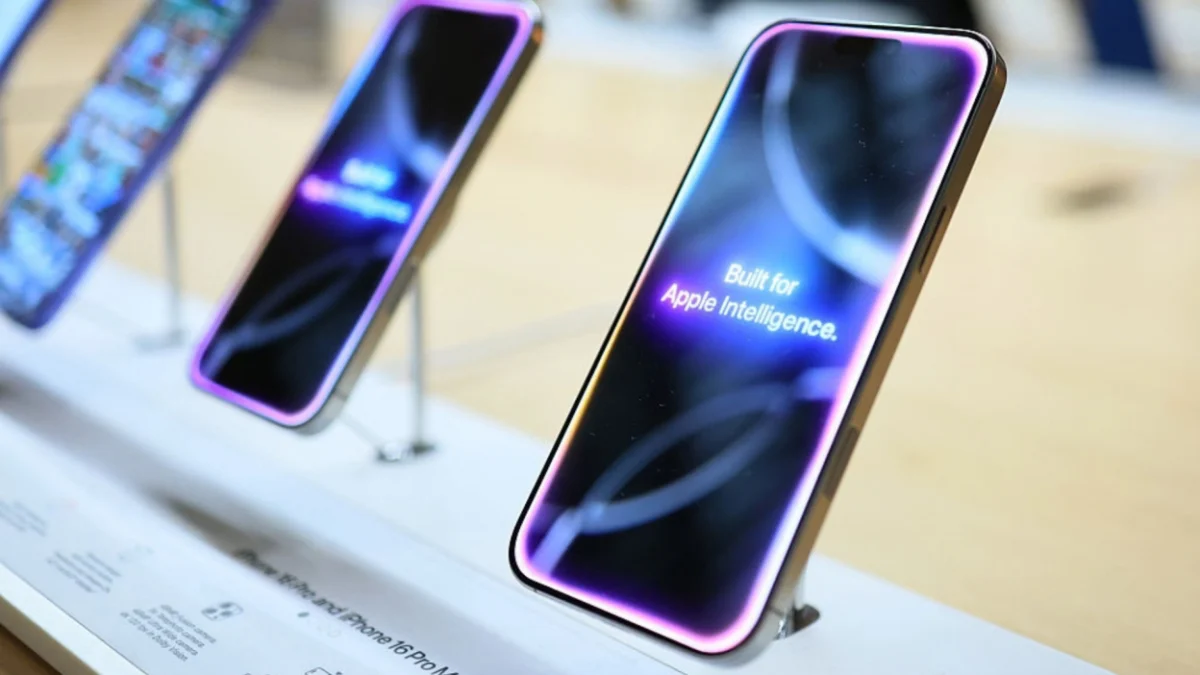
However, the lawsuit alleged that Apple was fully aware that these features would not be ready for public use for several months, if not years, following the device’s release. While the iPhone 16 was marketed as "built from the ground up for Apple Intelligence," the core AI features did not begin appearing in public beta versions until late 2026. This discrepancy led to accusations that Apple had engaged in "vaporware" marketing—promoting a product with features that do not yet exist to maintain a competitive edge against rivals like Google and Samsung.
The plaintiffs argued that consumers paid a premium for the iPhone 16 and the high-end iPhone 15 Pro models specifically for these AI capabilities. By the time an updated Siri finally launched in beta, many of the original purchasers were already approaching the end of their typical upgrade cycles, leading to claims of diminished value and false advertising.
Eligibility Requirements for iPhone Owners
Not every iPhone user is eligible to receive a portion of the $250 million settlement. The class is specifically defined by the hardware owned and the timing of the purchase. To qualify for a payout, an individual must be a resident of the United States who purchased or leased one of the following models during the relevant period:
- iPhone 16
- iPhone 16 Plus
- iPhone 16 Pro
- iPhone 16 Pro Max
- iPhone 15 Pro
- iPhone 15 Pro Max
The settlement excludes Apple employees, directors, and officers, as well as any judicial officers presiding over the case. The focus remains on general consumers who purchased these devices under the impression that the advertised AI features would be available shortly after launch.

Estimated payouts for individual claimants are currently projected to be approximately $25. However, this figure is subject to change based on the total number of valid claims submitted and the deduction of court-approved legal fees and administrative costs. According to the settlement documents, if a lower-than-expected number of users file claims, the individual payout could increase to a maximum of $95 per device.
How to Claim Your Share of the Settlement
The process for filing a claim has been streamlined through a dedicated web portal established by the settlement administrators. Eligible consumers must visit the official "Smartphone AI Settlement" website to begin the application. The deadline for all submissions is December 21, 2026.
To complete the claim form, users will need to provide their iPhone’s serial number. This is a critical step to verify that the device falls within the eligible class. To locate the serial number, users should navigate to the "Settings" app on their iPhone, select "General," and then tap "About." The serial number can be copied directly from this menu and pasted into the online claim form to ensure accuracy.
During the filing process, claimants can choose their preferred method of payment. Options typically include direct deposit, check, or digital payment platforms such as Venmo or PayPal. It is recommended that users keep a copy of their claim confirmation number for their records until the payment is disbursed.
Legal Deadlines and the Final Hearing
While the claim deadline is December 21, 2026, there are other important dates for consumers to consider. This same date serves as the deadline for those who wish to exclude themselves from the settlement. By "opting out," a consumer retains the right to sue Apple individually over these specific AI marketing claims, but they forfeit any right to receive money from this $250 million fund.
For those who find the settlement terms unfair, objections must also be filed by late December 2026. If a consumer does nothing—neither filing a claim nor opting out—they will receive no money and will be legally barred from participating in any future litigation against Apple regarding these specific issues.
The U.S. District Court has scheduled a final fairness hearing for February 24, 2027. During this hearing, the presiding judge will review the settlement to ensure it is fair, reasonable, and adequate for the class members. If the court grants final approval, and assuming there are no appeals, the distribution of funds will begin shortly thereafter. Legal experts suggest that payments will likely reach consumers by mid-2027.
Broader Implications for the Tech Industry
The $250 million settlement represents a significant moment in the regulation of artificial intelligence marketing. As tech giants race to integrate generative AI into their ecosystems, the pressure to announce features before they are fully stabilized has increased. This case sets a precedent that "future-proofing" marketing must be grounded in realistic timelines.

Industry analysts suggest that this settlement may lead to more cautious product launches across the sector. In the past, software updates were viewed as complimentary additions to hardware. However, as AI becomes the primary selling point for new smartphones, the legal distinction between hardware capabilities and software promises has blurred.
Apple’s decision to settle without admitting fault follows a pattern seen in previous litigation, such as the "Batterygate" settlement involving the slowing of older iPhone models. By settling, the company avoids a lengthy and public trial that could have forced the disclosure of internal communications regarding the development hurdles of Apple Intelligence.
The Evolution of Apple Intelligence and Siri
The delay in Apple’s AI rollout was largely attributed to the company’s stringent privacy standards. Unlike competitors who rely heavily on cloud-based processing for AI tasks, Apple committed to an "on-device" processing model for the majority of its AI functions. This required significant optimization of large language models (LLMs) to run efficiently on mobile chips without compromising battery life or user privacy.
The "next-generation Siri" was intended to be the centerpiece of this evolution. The goal was to move away from a simple voice command interface toward a proactive digital assistant. The litigation highlighted that while the hardware (the A18 and A17 Pro chips) was capable of supporting these tasks, the software infrastructure was not ready for the scale of a global rollout in 2024.
As of late 2026, many of the features promised at the iPhone 16 launch have finally reached a stable state. However, the legal fallout serves as a reminder of the risks associated with the "move fast and break things" mentality when applied to high-end consumer electronics.
Final Steps for Impacted Consumers
With the December 2026 deadline approaching, eligible iPhone owners are encouraged to act promptly. While $25 may seem like a small amount relative to the cost of a flagship smartphone, the collective action holds corporations accountable for their advertising claims.
The settlement website provides a comprehensive FAQ section to assist users with technical difficulties or questions regarding their eligibility. As the tech industry continues to pivot toward AI-centric hardware, this settlement will likely remain a benchmark for consumer rights in the era of generative intelligence. Those who believe they are eligible should verify their serial numbers and submit their claims before the window closes to ensure they receive their portion of the $250 million agreement.