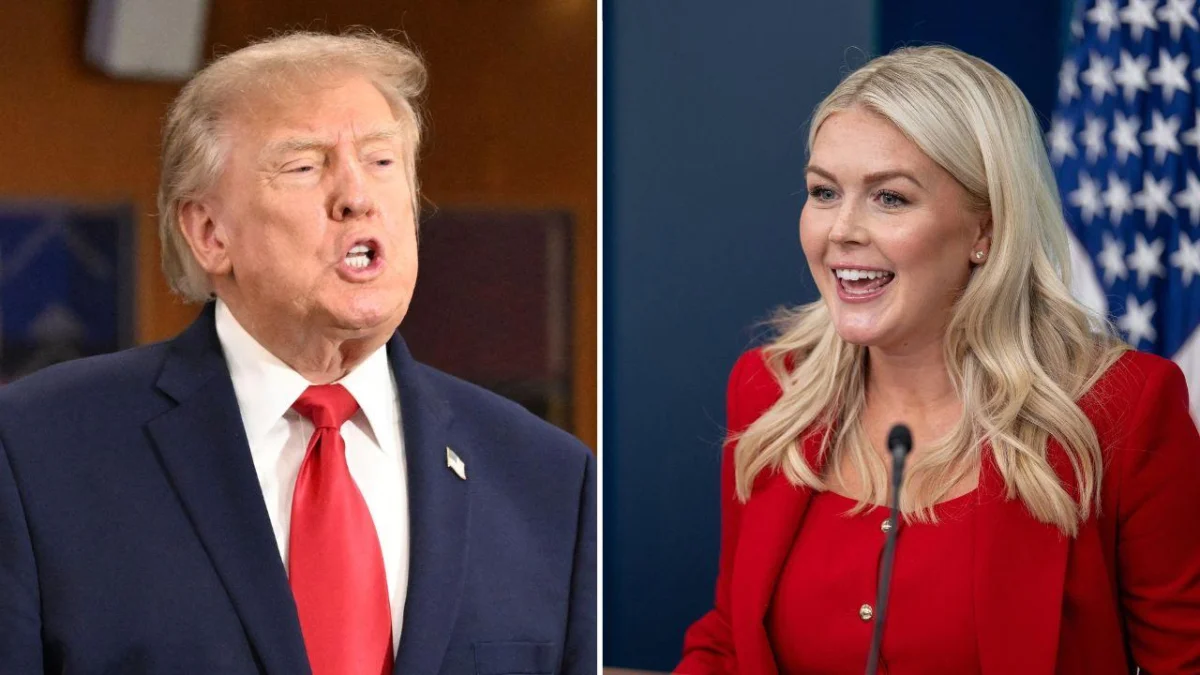
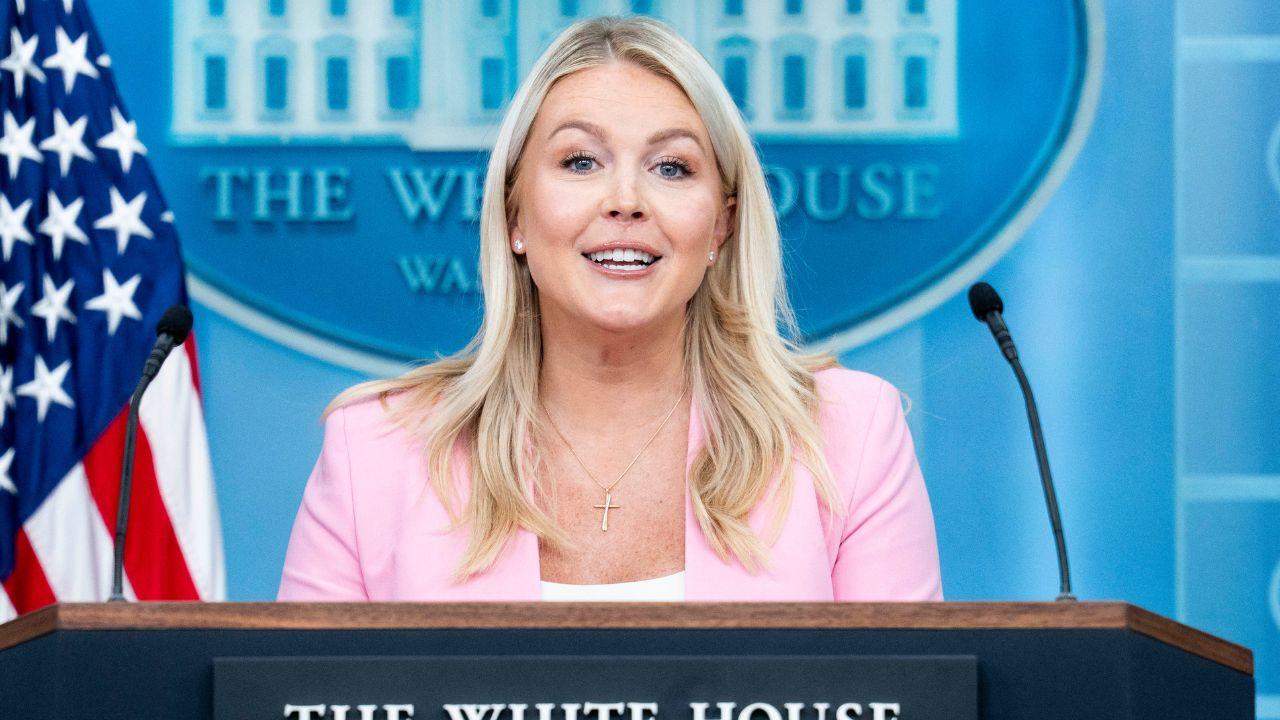
Former White House Press Secretary Karoline Leavitt recently disclosed that then-President Donald Trump directly insulted former British Prime Minister Keir Starmer during a state visit to the United Kingdom, labeling his policies as "stupid" and claiming his own people despised them. Leavitt, appearing on Sean Hannity’s "Hang Out" podcast, recounted the incident with amusement, asserting that Trump’s bluntness was a defining and admirable characteristic of his leadership. This revelation offers a stark glimpse into Trump’s unconventional diplomatic style and its impact on international relations, particularly with key allies like the UK.
A Candid Confession on International Diplomacy
Karoline Leavitt, a prominent figure in the Trump administration and a vocal supporter of the former president, shared what she characterized as a "hilarious tale" from her time serving in the White House. Speaking with Sean Hannity, Leavitt detailed an episode where President Trump engaged in a direct and highly critical exchange with the then-leader of the UK, Keir Starmer. Her account underscores a perception among some Trump loyalists that his unfiltered approach to global affairs represents a refreshing authenticity.
Leavitt, who served as press secretary, has consistently championed Trump’s communication methods, often framing his departures from traditional political decorum as strengths. Her willingness to openly discuss such a sensitive diplomatic confrontation highlights a belief within Trump’s circle that his directness, even if perceived as abrasive by others, is a positive attribute. This perspective contrasts sharply with conventional diplomatic norms that prioritize tact and subtlety in international exchanges.
The Contentious UK Encounter: Trump’s Direct Criticism
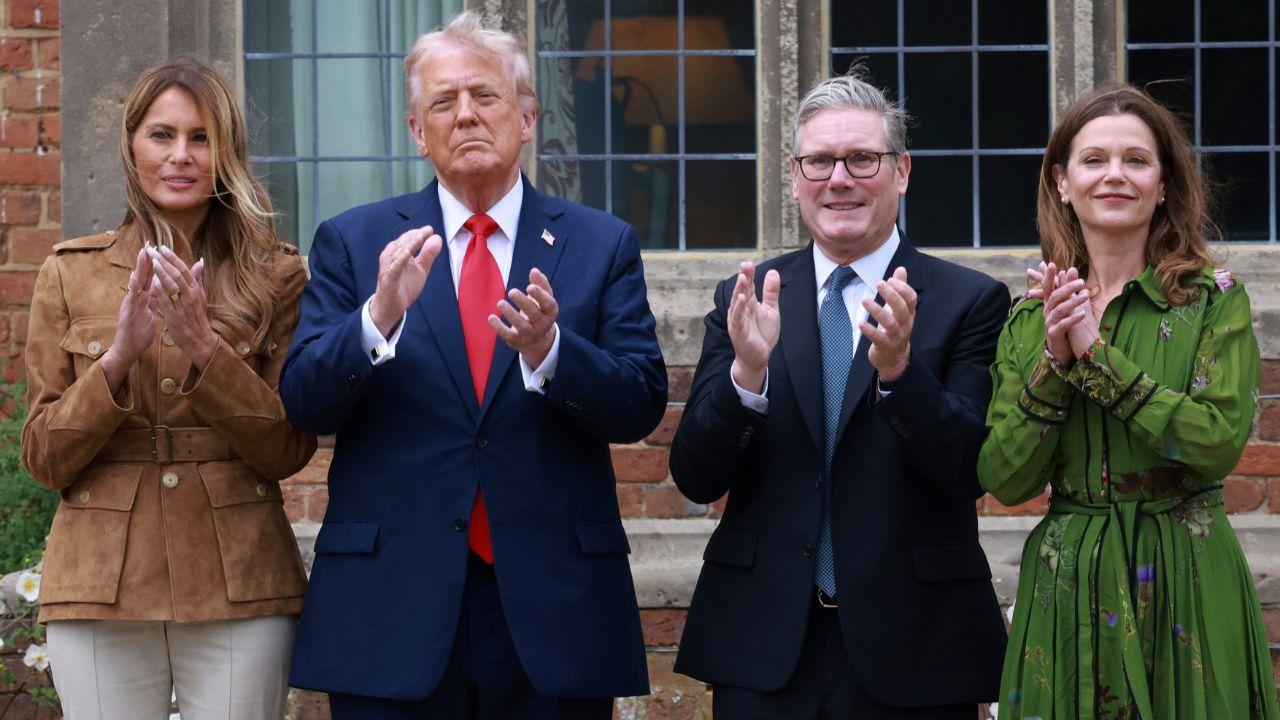
The specific incident, as recollected by Leavitt, occurred during a lunch in the United Kingdom, possibly at a significant location such as Windsor Castle or Starmer’s official residence. Amidst what should have been a cordial diplomatic meal, President Trump reportedly launched into an unvarnished critique of Keir Starmer’s governmental policies. Leavitt described Trump "ripping into him for his policies," singling out immigration and border control as particular points of contention.
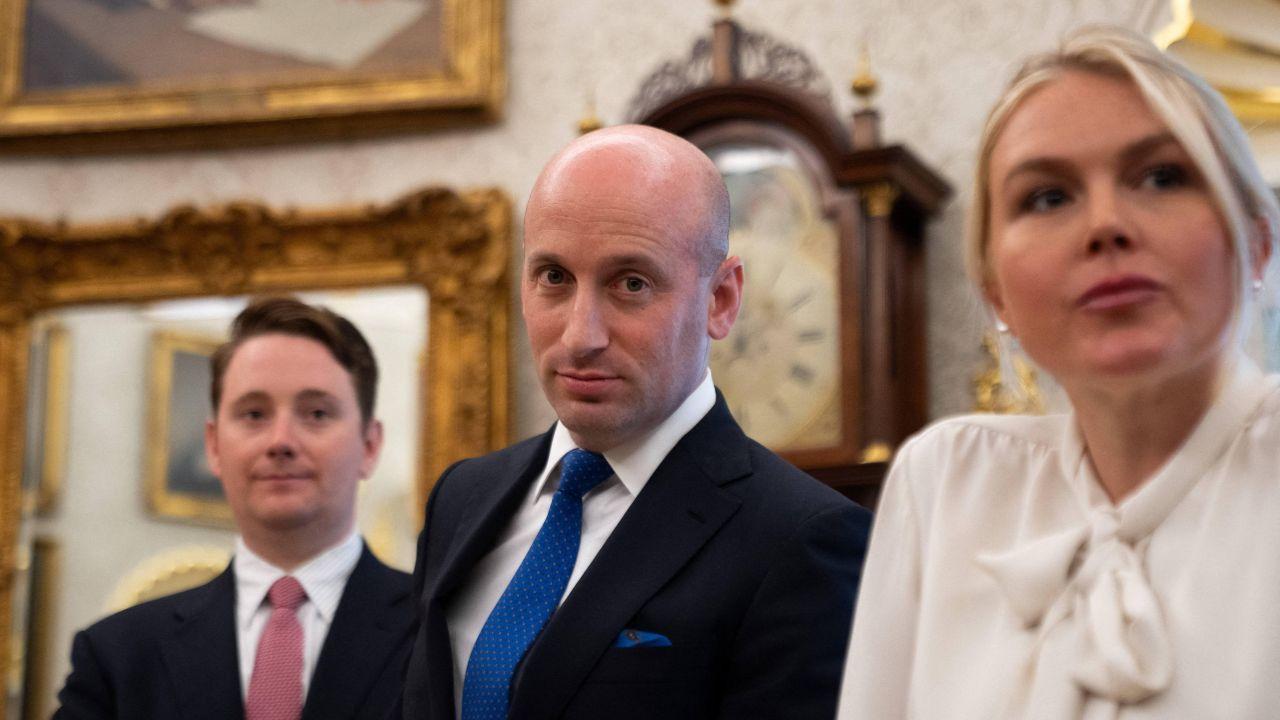
According to Leavitt, Trump told Starmer, "Your policies here are so stupid. You need to close your borders, you need to deport these people you have in your country." He further asserted, "I know your country. I know your people. They hate what you’re doing, and you need to…" Leavitt noted Starmer’s apparent discomfort during this tirade, observing him "just sitting there." The atmosphere in the room, she added, was one of striking tension, though she and fellow Trump aide Stephen Miller found it "entertaining."
Unpacking Trump’s Diplomatic Style
This anecdote aligns perfectly with Donald Trump’s well-documented "America First" foreign policy doctrine, which frequently prioritized perceived national interests through aggressive negotiation and direct confrontation. Throughout his presidency, Trump often eschewed established diplomatic protocols, opting instead for a highly personalized and often confrontational style when dealing with world leaders. Critics frequently cited this approach as destabilizing international alliances, while supporters lauded it as a necessary disruption of stagnant global politics.

His interactions with leaders from various nations, including traditional allies, were often characterized by public disagreements and sharp rebukes. The reported exchange with Keir Starmer exemplifies this pattern, demonstrating Trump’s readiness to challenge foreign leaders face-to-face, even on their own soil. This approach, while lauded by figures like Leavitt for its perceived authenticity, consistently generated debate about its effectiveness and its long-term implications for U.S. standing on the global stage.
Keir Starmer’s Policies Under Fire from Donald Trump
Keir Starmer’s tenure as British Prime Minister was marked by significant domestic and international challenges, including debates over immigration, economic policy, and environmental initiatives. Trump’s specific criticisms, as relayed by Leavitt, focused on Starmer’s approach to border security and immigration, issues that have been central to conservative political discourse both in the U.S. and the UK. Trump also publicly advocated for increased oil drilling in the North Sea, an energy policy stance that clashed with Starmer’s government, which sought to balance energy security with climate commitments.
The relationship between Starmer, then the leader of the Labour Party, and Trump was frequently described as "frosty." This chill was not merely a matter of differing personalities but stemmed from fundamental disagreements on policy and geopolitical strategy. Starmer’s government notably resisted pressure from the Trump administration on certain foreign policy matters, including the U.S. approach to Iran, further contributing to the strained bilateral ties. This tension underscored a period where the traditionally robust "special relationship" between the U.S. and UK faced considerable strain.
The "What You See Is What You Get" Defense
Leavitt’s defense of Trump’s behavior hinges on the idea that his candor, however blunt, is one of his "greatest qualities." She stated, "You know, he’s very open and candid with other world leaders… What he says to the media publicly is exactly what he’s saying behind the scenes privately too." This perspective positions Trump’s directness as a form of honesty and transparency, contrasting it with what some perceive as the often-performative and guarded nature of traditional political discourse.
However, this "what you see is what you get" philosophy has consistently sparked debate. While some find it refreshing and indicative of a leader unafraid to speak his mind, others argue that in the delicate realm of international diplomacy, such an approach can be counterproductive, damaging alliances, and undermining trust. The revelation of Trump’s direct insult to Keir Starmer highlights this dichotomy, forcing a re-evaluation of whether unvarnished honesty is always the most effective strategy in navigating complex global relationships.
Diplomatic Repercussions: The Aftermath of Trump’s Insults
Such an unfiltered exchange, particularly one involving a head of state insulting a key ally, carries significant diplomatic repercussions. Public or privately revealed insults can strain bilateral relations, erode trust, and complicate future cooperation on critical issues ranging from trade to security. For the UK, being publicly chastised by the U.S. President on its own soil could be perceived as a diminution of its sovereign standing and a challenge to its political leadership.
Internationally, such incidents contribute to a narrative of U.S. unpredictability and a disregard for diplomatic norms, potentially impacting how other nations engage with Washington. The incident with Keir Starmer underscores how personal dynamics between leaders, shaped by such candid confrontations, can ripple through broader geopolitical landscapes, affecting alliances and international partnerships for years to come.
Political Fallout and Starmer’s Resignation
The challenges faced by Keir Starmer’s government, coupled with public and private criticisms from influential figures like Donald Trump, ultimately contributed to a difficult political environment. Trump’s repeated public critiques, including a notable post on Truth Social where he asserted Starmer had "failed badly on two very important subjects — IMMIGRATION AND ENERGY," likely added pressure to Starmer’s leadership. Trump’s social media post even preceded Starmer’s formal announcement, with Trump claiming Starmer would resign just before he did.
Starmer ultimately announced his resignation as Prime Minister on June 22, departing office on July 20. His decision marked the end of a two-year premiership characterized by persistent policy debates and a challenging relationship with the U.S. administration under Trump. This sequence of events suggests that the strong criticisms leveled by Trump, both privately and publicly, may have been a factor in the political climate that led to Starmer’s departure.
From Starmer to Burnham: A Shift in UK Leadership
Following Keir Starmer’s resignation, Andy Burnham assumed the role of the new British Prime Minister. This leadership transition presented an opportunity for a reset in the U.S.-UK relationship, particularly given the previous tensions. Indeed, President Trump wasted no time in engaging with the new UK leader. Just recently, on September 22, Trump concluded a meeting with Prime Minister Burnham at the United Nations General Assembly.
This swift engagement with the new British Prime Minister suggests a potential for renewed dialogue and cooperation, or at least a different dynamic than that which characterized the Trump-Starmer relationship. The political landscape in the UK, having navigated a period of intense scrutiny and leadership change, now moves forward with a new figure at the helm, tasked with forging or mending international ties in a complex global environment.
Reactions and Public Discourse
The revelation from Karoline Leavitt is likely to reignite debates among political commentators, diplomatic experts, and the public regarding the appropriate conduct for a U.S. President on the world stage. Supporters of Trump will likely point to Leavitt’s comments as further evidence of his "straight talk" and commitment to confronting what he perceives as detrimental policies, regardless of diplomatic niceties. They may view it as strength and decisive leadership.
Conversely, critics will likely cite the incident as another example of Trump’s disregard for international protocols and the potential harm such behavior inflicts on crucial alliances. The episode will undoubtedly be analyzed within the broader context of Trump’s foreign policy legacy and its implications for future U.S. engagement with global partners, particularly as he remains a prominent figure in American politics. Leavitt’s "hilarious tale" underscores the deep partisan divide on what constitutes effective and appropriate international leadership.