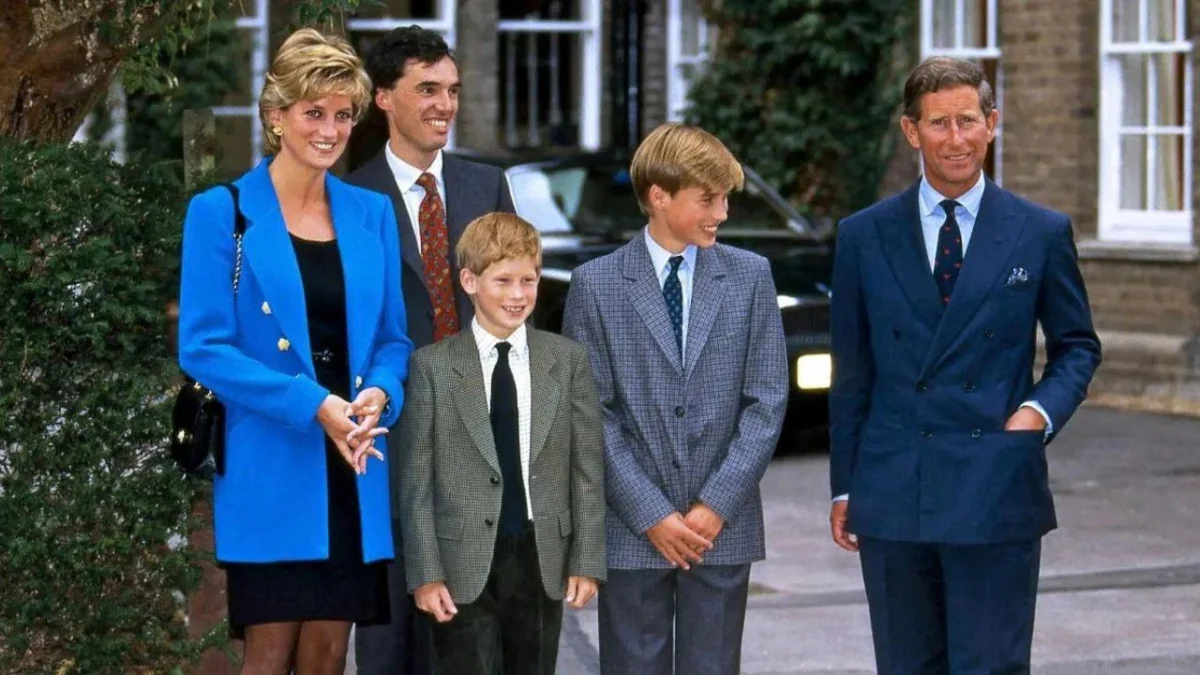
A prominent documentary filmmaker has publicly supported allegations that King Charles orchestrated a deliberate "full court press operation" to tarnish the public image and memory of his late ex-wife, Princess Diana. These accusations resurface in the wake of Charles Spencer’s recently published memoir, Swan Song: My Sister, Diana, which claims the then-Prince Charles expressed a desire for Diana to be "forgotten soon enough" following her tragic death. The renewed scrutiny casts a shadow over the monarch’s public standing as he navigates his reign amid personal health challenges.
The claims come from Phil Craig, a filmmaker known for his work on royal documentaries. During an appearance on "The Royalist" podcast, Craig endorsed the notion that a concerted effort was made within royal circles to diminish Princess Diana’s legacy. His comments lend weight to the narrative presented by Diana’s brother, Charles Spencer, suggesting a calculated strategy rather than isolated incidents.
The Enduring Battle for Princess Diana’s Memory
Phil Craig, while disclaiming the title of a general "royal expert," asserted his specialized knowledge regarding the intense public relations battle between King Charles and Princess Diana during their tumultuous separation and divorce. In 2003, Craig co-produced Charles: The Battle with Diana, a documentary that delved into the alleged efforts by the Prince of Wales’s camp to portray Diana in an unfavorable light, particularly regarding her mental stability. This historical context informs his current perspective on the ongoing revelations.
Craig directly addressed the idea of a "full court press operation" aimed at undermining Diana. He stated, "Because what they’ve always done in that family – and of course, what a lot of people close to the royals themselves have known – is that there was a full-court press operation, as you say, very professionally run." His remarks underscore a belief among some observers that the monarchy has historically engaged in strategic media management to shape public perception, especially concerning sensitive personal matters.
Criticisms of Attempts to Rewrite History
The filmmaker did not mince words in his assessment of any attempts to deny these historical actions. He characterized such denials as "rather disreputable for a future king and head of the Church of England." Craig challenged the credibility of those who suggest Charles’s friends were instructed never to "badmouth the princess," dismissing such assertions as "laughable" and "ridiculous."

His pointed question, "Do they think we’re stupid? Do they think we have no memories?" highlights a broader public sentiment that critical events in royal history, particularly those involving Princess Diana, remain etched in collective memory and cannot be easily dismissed or reinterpreted. This skepticism reflects a segment of the public that remains keenly interested in the truth behind the narratives surrounding Diana’s life and death.
Charles Spencer’s Memoir Ignites Controversy
The catalyst for these renewed discussions is the release of Swan Song: My Sister, Diana, the memoir by Diana’s younger brother, Charles Spencer. The book offers a deeply personal account of his sister’s life and the aftermath of her tragic death. Among its most explosive revelations is Spencer’s recollection of a phone call with his former brother-in-law, King Charles, shortly after Diana died in a car crash in Paris in August 1997.
According to Spencer’s memoir, King Charles allegedly told him, "Rest assured, we’ll forget her soon enough!" This purported statement has sent shockwaves through royal circles and the public alike, as it suggests a dismissive attitude towards Diana’s memory from the man who was once her husband and the father of her children. The memoir frames this interaction within the context of the intense grief and public mourning that followed Diana’s passing, contrasting sharply with the alleged sentiment from the then-Prince.

Buckingham Palace Issues Rare Statement
In response to the growing controversy fueled by Spencer’s memoir, Buckingham Palace issued a rare official comment on September 16. The Palace typically adheres to a policy of "never complain, never explain" regarding personal matters or media reports. However, the gravity of the accusations, particularly those touching upon the memory of Princess Diana, prompted an unusual departure from this long-standing tradition.
The Palace’s statement read: "While we do not comment on books as a matter of principle, His Majesty is mindful that the pain of fraternal grief can cloud reason, affect judgment and colour memory in ways others do not recognise, even many years after such a loss." This carefully worded response did not directly confirm or deny Spencer’s claims but instead sought to contextualize them within the emotional turmoil of a grieving brother. It subtly suggested that Spencer’s recollections might be influenced by his profound personal loss.
Impact on King Charles Amid Health Concerns
The timing of these allegations has proven particularly challenging for King Charles. Sources close to the royal family indicate that the monarch is reportedly "fuming" over the memoir’s contents. The release of Swan Song on Tuesday, September 22, coincided with a period of significant personal vulnerability for the King.
Charles was diagnosed with cancer in early 2024 and has been undergoing treatment. Medical professionals have advised him to maintain a low-stress environment to aid in his recovery. An insider revealed that the memoir is "the absolute last thing that the king needs right now," emphasizing that his health is "already precarious." The stress generated by these public accusations and the renewed scrutiny of his past actions is reportedly "affecting him terribly."
The insider characterized the memoir as King Charles’s "worst nightmare," adding, "[It is] the worst possible time for his past to be coming back to haunt him." The allegations threaten to undermine public confidence in the King during a sensitive period when he is striving to project stability and continuity for the monarchy. His ability to lead and unite the nation is often tied to his public image, which these claims could significantly damage.
The Broader Implications for the Monarchy’s Image
The resurfacing of these claims about a "full court press operation" to discredit Princess Diana’s memory holds broader implications for the British monarchy. It reinforces a long-standing perception among some critics that the institution has a history of engaging in strategic media manipulation to protect its image and silence dissenting voices. This narrative has been amplified in recent years by Prince Harry’s own accounts of negative press campaigns orchestrated against him and his wife, Meghan, Duchess of Sussex.
The ongoing debate over Diana’s legacy highlights the enduring power she holds in public consciousness, nearly three decades after her death. She remains a symbol of compassion, glamour, and, for many, a victim of the rigidities of the royal system. Any perceived attempt to diminish her memory, particularly from within the royal family, risks alienating a significant portion of the public who continue to revere her.
Historical Echoes and Public Scrutiny
Historically, the British monarchy has faced periods of intense public scrutiny, particularly regarding personal conduct and internal conflicts. The allegations in Spencer’s memoir and Craig’s corroborating statements tap into a vein of public skepticism that has often characterized the relationship between the public and the House of Windsor. The royal family’s attempts to control narratives, especially those involving figures as beloved and controversial as Princess Diana, are consistently met with robust challenge.
This episode serves as a reminder that the past, particularly in the context of public figures and institutions, is rarely "forgotten soon enough." Instead, it continues to be re-examined, re-interpreted, and debated, especially through the lens of new revelations from those intimately involved. The public’s enduring fascination with Princess Diana ensures that any perceived efforts to reshape her historical narrative will face intense examination and debate.
The controversy surrounding Charles Spencer’s memoir and Phil Craig’s statements underscores the persistent, complex battle over Princess Diana’s memory. While Buckingham Palace has offered a measured response, the allegations of a "full court press operation" continue to fuel public discussion and raise questions about the monarchy’s past public relations strategies. As King Charles navigates his reign and health challenges, the shadow of these historical claims remains a significant factor in shaping public perception of the crown.