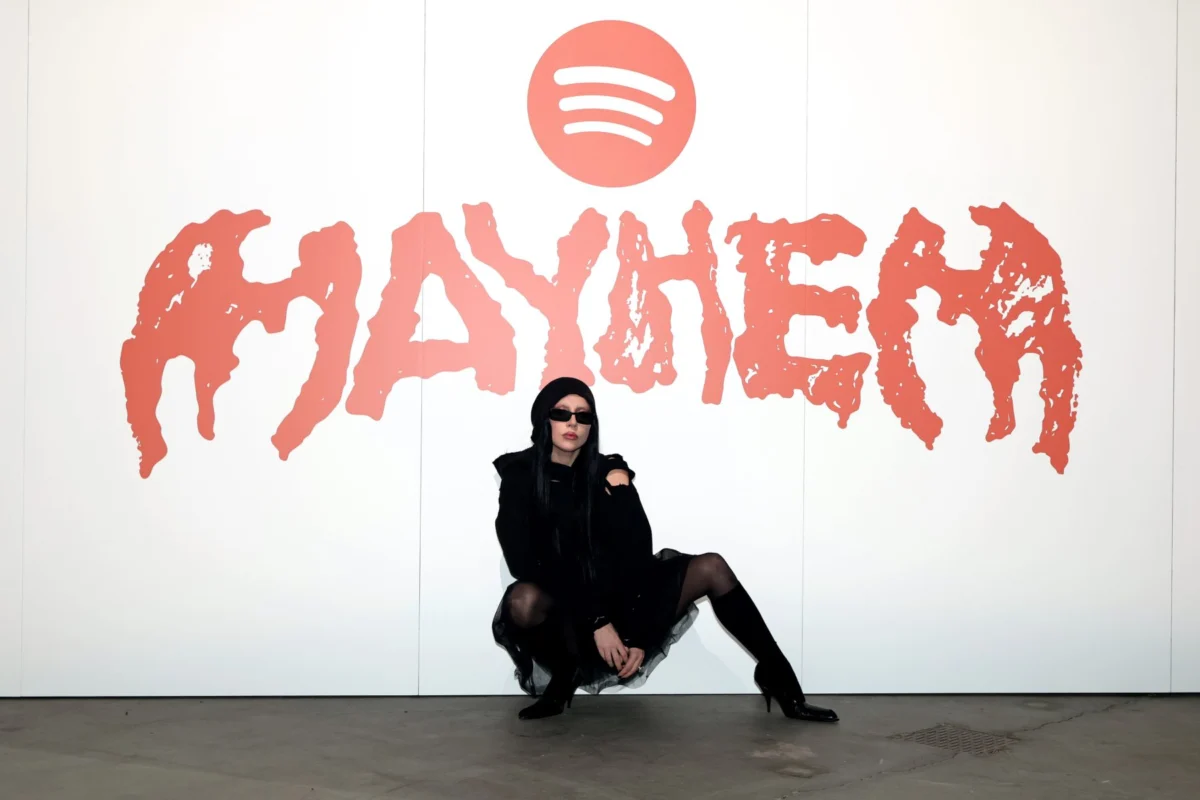
A surf brand that unsuccessfully sued pop superstar Lady Gaga over the title of her chart-topping album, "Mayhem," is now arguing that the Grammy winner should not automatically receive $230,000 in legal fees as a "consolation prize." Lost Surfboards, the company behind the "Mayhem" surf equipment brand, has filed a new court document opposing Gaga’s request for reimbursement from her elite law firm, Gibson Dunn.
The legal battle began in March 2025 when Lost Surfboards claimed that Lady Gaga’s album title, "Mayhem," infringed upon their registered trademarks for surf equipment. The brand had been using the "Mayhem" name and a distinctive stylized red logo since the 1980s. They sought to prevent Gaga from selling merchandise related to the album and her subsequent global "Mayhem Ball" tour.
Lady Gaga, whose legal name is Stefani Germanotta, ultimately prevailed in the lawsuit. A judge dismissed Lost Surfboards’ claims, ruling that the use of a trademark in artistic works like music is protected under the First Amendment, and that the surf company failed to demonstrate that Gaga intentionally misled consumers. Gaga’s legal team had characterized the lawsuit as a "publicity stunt" designed to extract a settlement from the high-profile artist.
In a court filing dated Thursday, September 24, Lost Surfboards contends that their lawsuit had a valid basis and that legal fees should only be awarded in exceptional circumstances where a case is deemed frivolous or unreasonable from its inception. "Attorneys’ fees are the exception, not a consolation prize for the prevailing party, and this case does not stand out," the filing states, according to reporting by Billboard.
The surf company is currently appealing the dismissal of its case. They argue that their primary motivation for filing the lawsuit was to protect their registered trademark against what they perceived as unauthorized use on apparel. Lost Surfboards asserts that the dismissal was based on technical legal grounds, specifically the high bar set by the First Amendment for trademark infringement claims related to artistic expression.
Lady Gaga’s legal team had requested $232,000 to cover the costs incurred from the prominent law firm Gibson Dunn, which represented her in the case. This request followed the judge’s August dismissal of Lost Surfboards’ lawsuit. The singer’s representatives argued that the suit was an unreasonable attempt to leverage her fame for financial gain.
However, Lost Surfboards disputes this characterization, stating that their intention was solely to safeguard their intellectual property. The company maintains that the case involved a complex legal analysis concerning artistic relevance and the potential for consumer deception, rather than an outright frivolous claim. They argue that the judge’s ruling, while in their favor, was based on a fact-intensive defense and does not retroactively prove that the lawsuit was unreasonable from the start.

Furthermore, Lost Surfboards has challenged the amount of the legal fees requested by Lady Gaga’s lawyers, describing the $232,000 bill for approximately 150 hours of legal work as "inflated." They are seeking a reduction in this amount, even if some legal fees are ultimately awarded to the pop star.
The "Mayhem" album, released in March 2025, debuted at the number one position on the Billboard 200 chart and remained on the chart for an impressive 63 weeks. The album’s success was further amplified by the accompanying "Mayhem Ball" tour, which ran for a year and grossed over $400 million worldwide. Lost Surfboards’ initial attempt to obtain an injunction against Gaga was denied by Judge Fernando M. Olguin in December 2025. The judge ultimately dismissed the entire case in August, citing insufficient evidence of explicit misrepresentation or intent to confuse consumers regarding the source of Gaga’s work.
The judge’s ruling emphasized that "the use of a mark alone is not enough" and that there was "nothing in the [lawsuit] suggests or otherwise indicates an affirmative misrepresentation in connection with the source or the content of Lady Gaga’s work." This legal reasoning forms the crux of Lost Surfboards’ argument that their case, while ultimately unsuccessful, was not inherently unreasonable.
Lost Surfboards filed its appeal of the dismissal ruling last week, signaling their continued determination to challenge the outcome. The legal dispute over the album title and potential legal fee awards highlights the complexities of trademark law, particularly when artistic expression intersects with commercial branding. The case also underscores the significant financial implications of high-profile litigation, with substantial legal bills often becoming a point of contention even after a primary case is resolved.
A hearing concerning the legal fee award is scheduled for October 15. The outcome of this hearing will determine whether Lady Gaga receives any portion of the $232,000 sought from Lost Surfboards, and how the court weighs the arguments presented by both sides regarding the nature and justification of the initial lawsuit.
The "Mayhem" Trademark Dispute
The core of the legal entanglement lies in the use of the word "Mayhem." Lost Surfboards, a company established in the surf industry, holds trademark registrations for its "Mayhem" brand, which it has utilized for surfboards and related equipment for decades. The brand has cultivated a recognizable identity within the surfing community, associating the name with performance and style.
When Lady Gaga announced her album titled "Mayhem" and launched her subsequent tour with the same name, Lost Surfboards saw it as a direct challenge to their established brand presence. They argued that the use of the identical word, especially in connection with merchandise, created a likelihood of confusion among consumers and diluted the distinctiveness of their trademark. Their initial legal action sought to prevent any further commercial exploitation of the "Mayhem" name by Gaga, particularly in relation to her album and tour merchandise.
First Amendment Protections and Artistic Freedom
Lady Gaga’s defense rested heavily on the protections afforded by the First Amendment of the U.S. Constitution, which safeguards freedom of speech and artistic expression. Under established legal precedent, the use of trademarks in creative works, such as song titles, album names, and artistic performances, is generally permissible unless there is a clear intent to deceive consumers about the source or origin of the goods or services.

The court’s decision to dismiss the lawsuit underscored this principle. Judge Olguin’s ruling indicated that Lost Surfboards failed to provide sufficient evidence that Lady Gaga’s use of "Mayhem" was intended to misappropriate their brand identity or to mislead the public into believing that her album or merchandise was affiliated with the surf company. The judge’s analysis focused on the lack of explicit misrepresentation or overt claims of association, emphasizing that the mere use of a word that is also a trademark does not automatically constitute infringement in the context of artistic creation.
The Role of Legal Fees in Litigation
The dispute over legal fees introduces a secondary layer to the already complex litigation. In many legal systems, the prevailing party in a lawsuit may be entitled to recover their attorney’s fees from the losing party. However, this is often subject to specific statutory provisions and judicial discretion, particularly in cases involving trademark disputes or First Amendment considerations.
The $232,000 fee request from Lady Gaga’s legal team is substantial, reflecting the resources and expertise required to defend a high-profile celebrity against a trademark infringement claim. Lost Surfboards’ argument that these fees should not be granted as an automatic "consolation prize" highlights the principle that fee awards are intended to compensate for legitimate legal expenses incurred in defending against unreasonable or vexatious litigation, rather than serving as a penalty or a windfall for the victor.
The surf company’s assertion that their lawsuit had a "valid basis" and that the case does not "stand out" as an extreme situation suggests they believe their claim was a good-faith effort to protect their intellectual property, even if it ultimately did not succeed on legal technicalities. This perspective frames the legal fee request as an overreach, particularly given the First Amendment defenses that played a crucial role in the case’s dismissal.
Industry Impact and Precedent
The outcome of this legal battle, including the decision on legal fees, could have broader implications for artists and trademark holders. For artists, it reinforces the robust protections afforded to creative expression under the First Amendment. It suggests that using existing words or phrases as artistic titles is generally permissible, even if those words are also registered trademarks, as long as there is no intent to deceive.
For trademark holders, the case serves as a reminder of the challenges in enforcing their rights when the disputed mark is used in an artistic context. It emphasizes the need to demonstrate a clear likelihood of consumer confusion and intentional misrepresentation, particularly when facing defenses grounded in freedom of speech. The appeal filed by Lost Surfboards indicates a commitment to further testing the boundaries of these legal principles.
Next Steps in the Legal Process
With Lost Surfboards having filed its appeal and a hearing on legal fees scheduled for October 15, the legal saga surrounding Lady Gaga’s "Mayhem" album is not yet fully concluded. The appeal will likely focus on challenging the legal reasoning behind the dismissal of the trademark infringement claims. The outcome of the fee hearing will determine the financial consequences for Lost Surfboards, independent of the merits of the original lawsuit. The court’s decisions in these upcoming proceedings will be closely watched by the music and entertainment industries, as well as by businesses that rely on trademark protection.