Super Bowl LX, set to stream live on NBC, Telemundo, and Peacock on Sunday, February 8th, is poised to be one of the most-watched events of the year, with the halftime show emerging as a significant draw for millions of viewers. This year’s highly anticipated performance will feature global music sensation Bad Bunny, selected by title sponsor Apple Music, marking a historic moment as the first Latino artist to headline the iconic halftime spectacle. Bad Bunny’s performance, largely in Spanish, has already ignited discussion and some controversy among certain conservative viewing demographics, highlighting the evolving cultural landscape of this massive entertainment event.
The Evolution of the Super Bowl Halftime Show
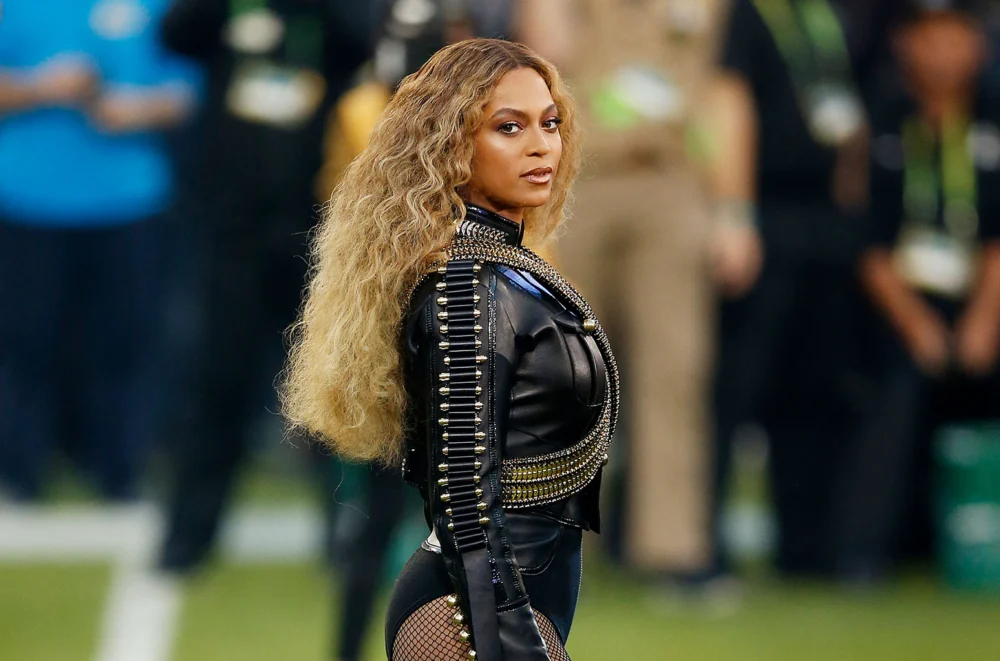
The Super Bowl halftime show has undergone a dramatic transformation over the decades, shifting from a traditional spectacle to a premier global stage for contemporary music’s biggest stars. Bozoma Saint John, a prominent figure in music and entertainment marketing, offered insights into the intricate process of booking these monumental performances. Her experience includes a pivotal role in securing Beyoncé’s landmark 2013 performance for Pepsi, an event that resonated deeply due to its timing and cultural significance.
"I think people take very much for granted that there hadn’t been a black woman performing on that stage since Janet Jackson, and that had been ten years," Saint John recalled, emphasizing the historical weight of Beyoncé’s appearance. This booking underscored a broader shift in how the halftime show was perceived and curated.
From Rock Legends to Pop Powerhouses
In earlier eras, the coveted halftime slot predominantly featured established rock and pop legends such as Bruce Springsteen, Paul McCartney, and Madonna. However, the 2010s signaled a pivotal change, with a deliberate move towards more current and pop-forward artists. Saint John highlighted Bruno Mars’s performance the year after Beyoncé’s as another significant achievement during her tenure at Pepsi, further cementing the halftime show’s embrace of contemporary music trends.

The involvement of Roc Nation, beginning in 2019, and the subsequent partnership with Apple Music as the title sponsor, have propelled the halftime show into its current iteration. This new era has increasingly featured artists from hip-hop, R&B, and Latin music genres. The selection of artists like Usher, Dr. Dre, Mary J. Blige, Kendrick Lamar, and now Bad Bunny, reflects a strategic effort to connect with new, global audiences and expand the NFL’s reach beyond its traditional football fanbase.
The 360-Degree Deal: More Than Just a Performance
Saint John elaborated on the comprehensive nature of these bookings, explaining that a Super Bowl halftime performance is far from a simple concert appearance. "When [Pepsi] was doing the deal with the NFL, one of the things that impressed me was that the NFL was open to our suggestion on who the halftime performer should be," she stated. "I think what people don’t realize is that this is a 360 deal. It’s not just that they are the artist who is performing on the Super Bowl halftime show, they’re also in your commercials. They’re promoting whatever product it is you have. They’re doing the off-the-field entertainment. They’re doing meet-and-greets. It’s a huge, huge commitment…on top of the fact that [Pepsi was] also going to put the artist’s face on a billion cans that year."
This extensive commitment requires meticulous coordination and negotiation, involving hundreds of individuals and a deep understanding of pop culture. Saint John’s prior relationship with Beyoncé and her team, cultivated through earlier commercial collaborations, proved instrumental in securing the 2013 performance.
Navigating the Negotiation Landscape
The negotiation process for a Super Bowl halftime show is a complex interplay of mutual interests, with both the brand and the artist seeking to maximize their returns. Artists often strategically align their performance with upcoming project releases, leveraging the halftime show’s unparalleled marketing power. The approximately 13-minute performance, while brief, serves as a potent launchpad for a brand’s promotional efforts and an artist’s career endeavors.
"The thing is, the halftime show performance is about 13 minutes long," Saint John explained. "And while you’re on stage, yes, of course, people are watching, etc., but you gotta depend on that marketing engine of the brand to push whatever else it is that you want. And so the negotiation ahead of time is both about what the brand is looking for, because they gotta get their money’s worth out of, you know, having you as a spokesperson. And then on top of it, the artist needs to also have what they need coming out of the event."

The Economics of the Halftime Stage
A common misconception surrounding Super Bowl halftime performances is the compensation artists receive. Unlike typical concert engagements, performers are generally paid only minimum union scale. However, the NFL and the title sponsor cover significant production costs, often ranging between $10 million and $20 million. In recent years, some artists, such as The Weeknd, have reportedly contributed additional funds from their own pockets.
This willingness to invest further can be attributed to the immense global exposure the halftime show provides. "You have to consider that this is probably one of the largest broadcast stages that exists, even globally, because now we also have the opportunity of social media, so the performance is going to be cut and shared everywhere," Saint John noted. "And so what you’re thinking is that you have the largest broadcast stage, the opportunity to reach millions and millions and millions of people around the world. You want it to be your best effort. So this is really, like, it’s a Super Bowl for the teams, but it is the Super Bowl for you, too."
The Long-Term Dividend: Beyond Monetary Gain
While direct monetary compensation may be limited, the long-term benefits for artists are substantial. The surge in sales and streams following a Super Bowl performance is undeniable, but the true value lies in the enduring impact on an artist’s career.
"From a marketing standpoint, what you think about this is a long tail," Saint John elaborated. "So, yes, you are going to have the immediate boost of record streaming, or somebody purchases a thing that you’re trying to sell, but it is the long tail influence of your performance and your presence on that stage that actually pays out the dividends. Think about all of the deals you can do afterwards, and the way that people will think of you will increase your prominence. That’s really what the benefit is of doing the performance and making sure it is literally the best performance of your life."
Securing the Title Sponsorship: A Long-Term Commitment
Becoming the title sponsor for the Super Bowl halftime show, as demonstrated by Pepsi and now Apple Music, requires a significant and enduring commitment. These are not short-term partnerships but rather long-term, multi-year deals. Saint John recalled Pepsi’s initial 10-year agreement with options to renew.

"First of all, these are long-term deals. It’s not like you get the sponsorship and you’re in it for one year," she explained. "When we did it at Pepsi, it was a 10-year deal with options to renew." The decision to continue or discontinue such a partnership often depends on evolving leadership, brand strategies, and perceived value.
Saint John expressed her enthusiasm for Apple Music’s role as the current title sponsor. "I was ecstatic when Apple Music became the halftime show sponsor. It feels like a great fit. You couldn’t ask for a better fit for a music streaming service," she stated. She also revealed her past interest in bringing the sponsorship to Netflix during her tenure there, though ultimately, the alignment with Apple Music proved more synergistic for promoting music.
The Super Bowl halftime show has evolved into a critical platform for cultural expression and global brand marketing, a testament to its enduring power and influence in contemporary entertainment. The strategic decisions made behind the scenes, from booking the talent to structuring the sponsorships, underscore its significance as more than just a musical interlude, but a pivotal moment in the annual sporting and cultural calendar.