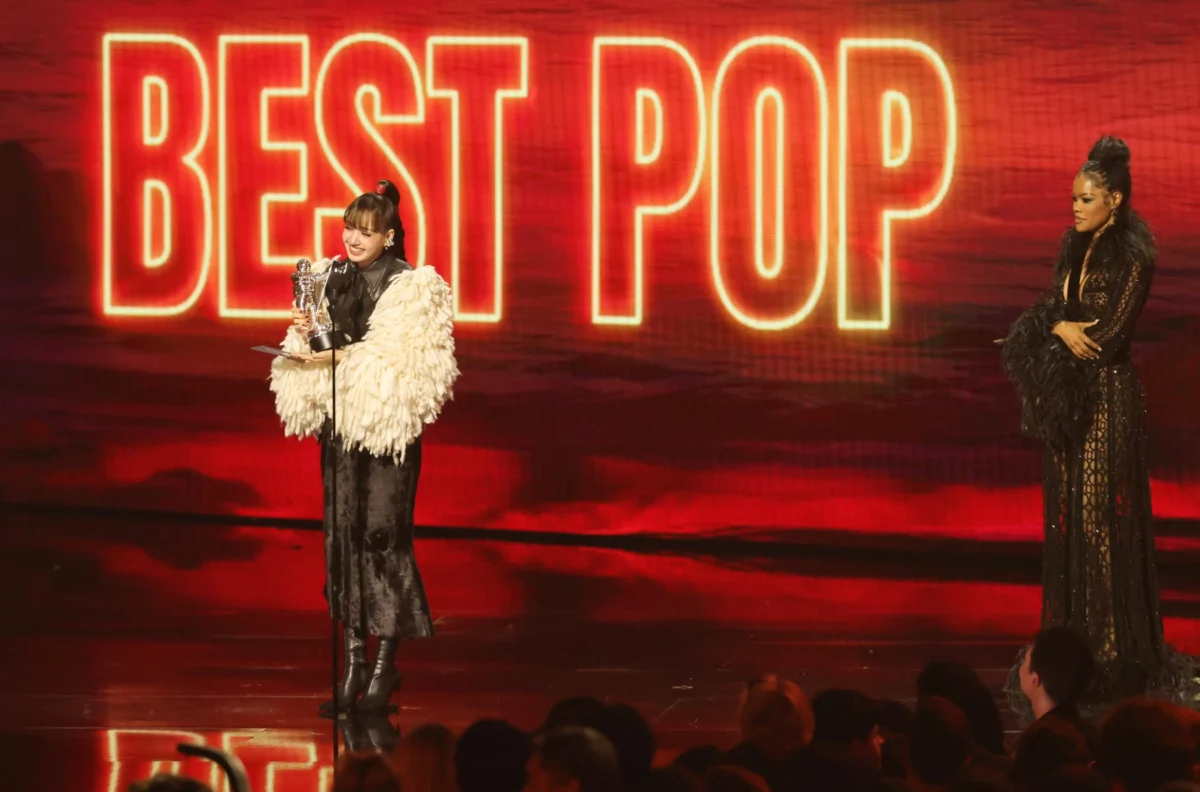
The 2026 MTV Video Music Awards, held on Sunday, September 27th, delivered a night of both anticipated triumphs and unexpected turns, offering a compelling mix of expected accolades and notable omissions that sparked conversation across the music industry and among fans. While many predictions held true, the ceremony, broadcast live from the Peacock Theater in Los Angeles, also provided moments that defied expectations, cementing its reputation as a barometer of music’s evolving landscape.
A Night of Expected Triumphs and Established Legacies
The 2026 VMAs saw several artists solidify their already impressive careers and celebrate significant comebacks. Madonna, a perennial force at the VMAs, continued her storied history with the awards by clinching the Best Long-Form Video award for her project "Confessions II — The Film." This victory marked a poignant full-circle moment, echoing her win in the same category back in 1991 for "The Immaculate Collection." Her enduring presence and continued recognition underscore her unparalleled impact on music videos and visual artistry over several decades.
Similarly, the K-pop phenomenon BTS celebrated a robust showing with three wins, a testament to their significant global reach and their powerful return to the forefront of the music scene following a period of intense focus on solo endeavors. Their success affirmed their status as a dominant force in contemporary music, capable of captivating audiences worldwide. These anticipated wins, while predictable to many, highlighted the artists who continue to define the mainstream music conversation.
Unforeseen Moments and Honored Icons
Beyond the predictable victories, the 2026 VMAs offered a series of captivating surprises and deeply felt tributes. The ceremony kicked off with a landmark performance by Madonna, marking her first VMA stage appearance in 23 years. This opening set not only showcased her enduring showmanship but also established a new VMAs record, as it was her fifth time opening the prestigious awards show, further cementing her legacy.
The night also paid homage to musical titans who have left an indelible mark on the industry. Kacey Musgraves delivered a heartfelt tribute to the legendary Dolly Parton, a performance that resonated with its emotional depth and artistic admiration. The iconic George Michael was honored by a collective of artists including RAYE, SOMBR, Teddy Swims, and Adam Lambert, who brought his soulful interpretations to a selection of Michael’s timeless hits. Furthermore, the enduring influence of Nirvana was recognized with the prestigious Video Vanguard Award. This posthumous honor acknowledged the band’s revolutionary impact on alternative music and the visual storytelling that accompanied their powerful sound, particularly in the wake of lead singer Kurt Cobain’s tragic passing.
Taylor Swift’s New Honor and World Premiere
In a significant development, Taylor Swift was bestowed with the inaugural VMA Artist Director honor, a new award recognizing the increasing importance of artistic vision and direction in music video creation. This accolade highlights Swift’s multifaceted creative contributions, extending beyond her songwriting and performance prowess to her role as a visual storyteller. Adding to the excitement, the world premiere of her latest single, "Patient Zero," captivated audiences during the telecast, offering a fresh glimpse into her evolving artistic direction and generating immediate buzz.
A Star-Studded Ceremony and Production Details
The 2026 MTV Video Music Awards were expertly hosted by the inimitable Snoop Dogg, whose charismatic presence guided the evening’s proceedings. The live broadcast originated from the Peacock Theater in Los Angeles, airing on CBS and simulcast on MTV, with streaming availability on Paramount+ (Premium) in the U.S. This broad distribution ensured a wide reach for the event. Globally, the show was made available the following day on Paramount+ and MTV. The production itself was helmed by Gunpowder & Sky, with Van Toffler serving as producer, ensuring a high-caliber presentation that matched the significance of the event.
Examining the Snubs and Surprises of the 2026 VMAs
While the headline-grabbing wins and tributes commanded significant attention, the 2026 VMAs also sparked discussion around potential snubs and overlooked achievements. The absence of certain artists or categories from the spotlight, despite strong fan bases and critical acclaim, often ignites debate. The subjective nature of awards, combined with the sheer volume of exceptional music released annually, inevitably leads to moments where certain works or artists are not recognized in the ways some might have anticipated.
Emerging Artists and Unrecognized Potential
A notable aspect of any awards ceremony is the opportunity for emerging artists to gain significant visibility. While the 2026 VMAs celebrated established stars, the narrative surrounding the event also highlighted artists who may have been expected to break through or receive nominations in more prominent categories. The question of whether the awards adequately reflect the full spectrum of talent and innovation within the music industry is a recurring theme, and this year was no exception. The performances and acceptance speeches often provide a platform for these artists to express their gratitude and connect with a wider audience, even in the absence of a formal award.
The Impact of Genre Representation
The balance of genre representation within the VMA nominations and awards is consistently scrutinized. While pop and hip-hop often dominate, the 2026 ceremony’s outcomes raised questions about the visibility of artists working in rock, country, electronic, and other genres. The tributes to George Michael and Dolly Parton, while celebrated, also served as reminders of the enduring impact of artists whose primary genres might not have received as much direct spotlight in the competitive categories. The VMA’s role in shaping cultural perceptions of music genres is significant, and their choices can influence industry trends and fan engagement.
Industry Reactions and Public Discourse
The immediate aftermath of the 2026 VMAs was marked by widespread discussion across social media platforms and music news outlets. Fans and critics alike weighed in on the night’s winners, performances, and the perceived snubs. The conversations often centered on the VMA’s relevance in an increasingly fragmented music landscape, where artists can build massive followings through direct-to-fan engagement and alternative platforms. The awards continue to serve as a major cultural touchpoint, however, driving conversations and influencing the public’s perception of music’s most impactful figures and moments.
The ceremony’s impact extends beyond the immediate accolades. For the artists who won, the VMA provides a significant boost to their careers, often translating into increased media attention, sales, and touring opportunities. For those who were overlooked, the lack of recognition can be a point of contention, fueling discussions about the criteria for awards and the evolving metrics of success in the music industry. The VMA’s ability to generate such robust public discourse underscores its continued significance as a cultural event.
Looking Ahead: The Evolving Landscape of Music Awards
As the dust settles on the 2026 MTV Video Music Awards, the ceremony leaves behind a tapestry of celebrated achievements, memorable performances, and enduring questions about the nature of recognition in the music world. The blend of anticipated wins and surprising turns ensures that the VMAs remain a dynamic and closely watched event, reflecting the ever-changing tides of musical artistry and its profound connection with global audiences. The continued evolution of music consumption and creation means that the VMAs, like all major awards shows, will undoubtedly continue to adapt and provoke conversation in the years to come.