Prime Minister Keir Starmer is facing the most significant internal rebellion of his premiership as senior members of the Labour Party demand a sweeping reorganization of his inner circle following the controversial appointment of Peter Mandelson as the British Ambassador to the United States. The escalating crisis reached a boiling point Friday morning when a prominent Labour MP called for a ‘clearout’ of advisers in Downing Street, specifically targeting Chief of Staff Morgan McSweeney for his role in vetting the appointment. The growing mutiny within the party ranks suggests that Starmer’s attempt to project an image of "stable and grown-up" governance is rapidly unraveling under the weight of the Mandelson scandal.
The controversy centers on the decision to appoint Mandelson, a veteran figure of the New Labour era often referred to as the "Prince of Darkness," to one of the UK’s most sensitive diplomatic posts. The appointment has come under intense scrutiny due to Mandelson’s historical ties to the late convicted sex offender Jeffrey Epstein. While Starmer has issued a public apology to Epstein’s victims, claiming he was misled by Mandelson regarding the depth of the relationship, the explanation has failed to satisfy backbenchers who view the lapse in judgment as a systemic failure of the Prime Minister’s advisory team.
Simon Opher and the Demand for a Downing Street Clearout
The pressure on the Prime Minister intensified when Simon Opher, the Labour MP for Stroud, utilized a high-profile media appearance to voice the frustrations of the parliamentary party. Speaking on the BBC’s Today program, Opher argued that the current trajectory of the government is being sabotaged by poor strategic advice and a lack of transparency. He explicitly stated that a "clearout" of advisers in Downing Street is the only way to restore confidence in the executive branch and allow the party to return to its legislative agenda.
Opher’s comments reflected a broader sentiment that the Mandelson scandal has become a self-inflicted wound that is drowning out key policy announcements. "There’s a lot of anger amongst Labour MPs because we want to be talking about the cancer care plan, not about Peter Mandelson," Opher told reporters. He noted that the Prime Minister has been "badly advised" and "really let down" by those responsible for vetting high-level political appointments. When pressed on whether this included the Prime Minister’s most senior aide, Morgan McSweeney, Opher confirmed that he believed the Chief of Staff’s position was no longer tenable.
The call for a clearout of advisers in Downing Street represents a significant shift in the internal dynamics of the Labour Party. For months, the Prime Minister’s office has operated with a tight-knit group of loyalists who managed the transition from opposition to government. However, the Mandelson scandal has exposed fractures in this structure, with backbenchers now openly questioning whether the current team possesses the political instincts necessary to navigate complex ethical and diplomatic challenges.

The Role of Morgan McSweeney in the Mandelson Scandal
At the heart of the internal strife is Morgan McSweeney, the architect of Starmer’s 2024 election victory and his current Chief of Staff. McSweeney is widely reported to have been the primary advocate for Mandelson’s appointment as US Ambassador, viewing the veteran politician’s experience as an asset in managing the "Special Relationship" with Washington. However, this strategic calculation has backfired spectacularly, as Mandelson’s past associations have become a lightning rod for criticism from both the opposition and Labour’s own ranks.
Downing Street has so far defied calls to remove McSweeney, insisting that he retains the full confidence of the Prime Minister. Officials have pointed to Starmer’s defense of his aide during a heated session in the House of Commons, where the Prime Minister argued that his team remains focused on the country’s priorities. Despite this public show of support, many Labour insiders believe that McSweeney’s survival is linked to Starmer’s own political safety; if the Chief of Staff is forced out, the Prime Minister would be left without a "human shield" in the event of further administrative failures.
The refusal to initiate a clearout of advisers in Downing Street has led some MPs to describe the current situation as "unsustainable." Karl Turner, the MP for Hull East, warned that if the Prime Minister fails to make significant changes to his inner circle, his own position could become untenable. Turner emphasized that while he does not wish to see a change in leadership, the lack of accountability for the Mandelson appointment is damaging the party’s brand and its relationship with the electorate.
Harriet Harman Criticizes Starmer’s Handling of the Crisis
The criticism has not been limited to the backbenches. Harriet Harman, a veteran Labour peer and former Deputy Leader of the party, delivered a blistering assessment of the Prime Minister’s handling of the scandal. In an interview, Harman characterized Starmer’s defense—that he was lied to by Mandelson—as an admission of weakness. She argued that the Prime Minister should never have considered Mandelson for the role in the first place, regardless of what he was told during the vetting process.
"To say ‘he lied to me’ makes it look weak and naive and gullible," Harman stated, adding that the Prime Minister needs to stop shifting the blame and take responsibility for the personnel decisions made by his office. Harman’s intervention is particularly damaging because of her standing within the party and her reputation as a guardian of Labour’s moral and ethical standards. Her call for a "full reset" of the Downing Street operation echoes the demands for a clearout of advisers in Downing Street made by younger MPs.
The scandal has also highlighted a growing disconnect between the Prime Minister’s office and the parliamentary party. Many Labour MPs feel that the "grown-ups in the room" narrative, which was central to the 2024 campaign, has been undermined by what they perceive as amateurish handling of a predictable controversy. The fact that the government is now embroiled in a debate over Jeffrey Epstein’s associates, rather than its flagship health and economic policies, is seen as a major strategic failure by the current advisory team.
Political Fallout and the Question of Leadership Stability
As the calls for a clearout of advisers in Downing Street grow louder, speculation has inevitably turned to the stability of Keir Starmer’s leadership. While there is currently no formal challenge to his position, the atmosphere within the Parliamentary Labour Party (PLP) is described as mutinous. The delay in releasing vetting documents related to Mandelson’s appointment has only fueled suspicions that the government is attempting to hide the extent of the failure.
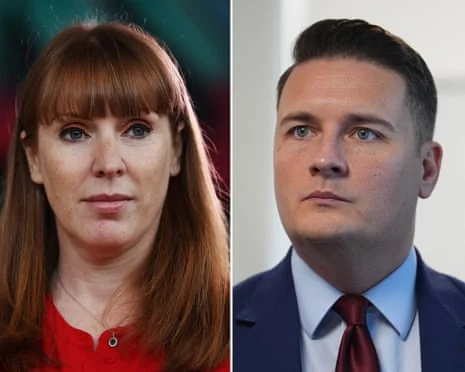
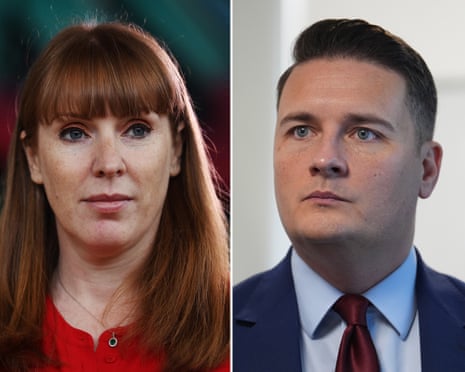
The vacuum in leadership has also prompted discussions about potential successors. Names such as Deputy Prime Minister Angela Rayner and Health Secretary Wes Streeting have been frequently mentioned in political circles. Some newer Labour MPs have expressed frustration that no senior figure has yet stepped forward to challenge the Prime Minister directly. One MP, speaking on the condition of anonymity, expressed "contempt" for potential leadership contenders who have remained silent during the crisis, stating that "if you are not brave enough to be first out of the traps, you don’t deserve to be Prime Minister."
Despite the internal turmoil, Starmer’s supporters argue that a clearout of advisers in Downing Street would be a premature reaction to a media-driven scandal. they contend that the Prime Minister’s apology was sincere and that the focus should remain on the government’s long-term goals. However, with the opposition seizing on the "weak and naive" narrative and backbenchers demanding blood, the pressure to make a high-profile sacrifice in the form of a senior aide is becoming nearly impossible to ignore.
Public Impact and the Distraction from National Policy
The real-world consequences of the Mandelson scandal extend beyond the walls of Westminster. The government’s inability to stay on message has stalled progress on several key initiatives, most notably the national cancer care plan mentioned by Simon Opher. For a public that voted for Labour on a platform of ending the "chaos" of the previous administration, the current spectacle of internal infighting and vetting failures is a disappointing return to the political turbulence they hoped to escape.
The scandal also threatens to damage the UK’s diplomatic standing. The role of US Ambassador is arguably the most important post in the British diplomatic service. The fact that the appointee is now the subject of an international scandal involving Jeffrey Epstein complicates the UK’s relationship with the US administration and raises questions about the judgment of the British government. If a clearout of advisers in Downing Street does not occur, critics argue that the shadow of this scandal will continue to hang over every major diplomatic and domestic decision the Prime Minister makes.
As the weekend approaches, the Prime Minister remains in a defensive crouch. The demand for a clearout of advisers in Downing Street has become a litmus test for his authority. Whether he chooses to stand by his embattled Chief of Staff or yield to the demands of his MPs will likely determine the future of his premiership. For now, the Labour Party remains a house divided, struggling to reconcile its promise of professional governance with the reality of a scandal that has made the "Prince of Darkness" the central figure of British politics once again.