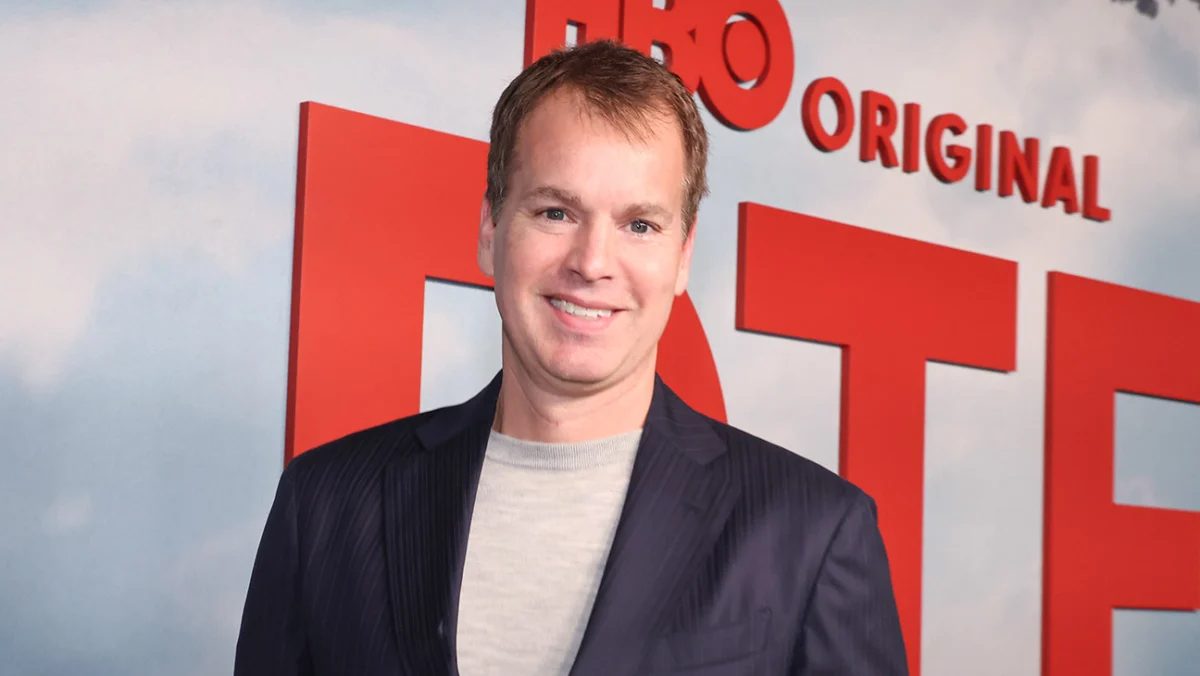
Casey Bloys, the esteemed Chairman and CEO of HBO and HBO Max Content, recently signaled that a strategic bundling of the premium streaming services HBO Max and Paramount+ is a more probable outcome than a complete content merger, following the imminent combination of Warner Bros. Discovery and Paramount Skydance. His remarks, delivered amidst swirling industry speculation, offer a glimpse into the potential future architecture of the entertainment giant’s direct-to-consumer offerings, emphasizing a strategy focused on subscriber value and distinct brand preservation.
The entertainment industry has been abuzz with anticipation surrounding the monumental merger between Warner Bros. Discovery and Paramount Skydance, a deal poised to reshape the competitive streaming landscape. With the transaction expected to finalize on October 6, media executives and analysts alike have been scrutinizing every indication of the combined entity’s strategic direction, particularly concerning its vast portfolio of intellectual property and digital platforms. Bloys, a pivotal figure in the prestige television realm, found himself at the center of these discussions, albeit constrained by the protocol of pending corporate announcements.
The Impending Merger and Leadership Speculation
The forthcoming union of Warner Bros. Discovery and Paramount Skydance represents a significant consolidation move in an industry grappling with market saturation and intense competition. David Ellison, CEO of Paramount Skydance, and Mattel CEO Ynon Kreiz, set to become co-CEO of the combined company, are at the helm of this ambitious endeavor. The merger has sparked widespread speculation regarding the new leadership structure, particularly concerning the expansive streaming operations that will fall under its purview.
Industry insiders widely anticipate Bloys to assume a leading role in the consolidated streaming efforts, potentially overseeing a combined portfolio that would include HBO, Discovery, and Paramount’s streaming assets. This expectation was underscored by the recent departure of Cindy Holland, the former chief of Paramount+ and Pluto TV. Bloys, who currently has a year remaining on his Warner Bros. Discovery contract, remained circumspect about his own prospective position, repeatedly stating that such announcements are not his to make. He deferred to Ellison and his team to officially unveil the leadership framework post-merger.
Bundling Versus Combination: A Strategic Rationale
When pressed on the future of the core streaming platforms themselves – specifically whether HBO Max and Paramount+ would integrate into a single service – Bloys offered a telling perspective. He pointed directly to the existing HBO Max-Disney bundle, which includes Disney+, Hulu, and ESPN+, as a successful model. "So could you see something like that happening? That would make a lot of sense," he posited, effectively hinting at a strategy that prioritizes cross-promotional bundling over a full content amalgamation.
This preference for bundling over a complete merger of services like HBO Max and Paramount+ is a nuanced strategic choice with several compelling rationales. A bundle allows each service to maintain its distinct brand identity, catering to specific audience segments without diluting their unique value propositions. HBO Max is renowned for its premium, prestige drama and extensive film library from Warner Bros., while Paramount+ offers a diverse catalog including popular franchises like "Star Trek," "Yellowstone," and live sports. Combining them into a single, monolithic platform could risk overwhelming subscribers, creating content chaos, and potentially alienating loyalists of individual brands.
Moreover, bundling offers a powerful value proposition to consumers by providing access to a broader range of content at a potentially reduced combined price, fostering subscriber acquisition and reducing churn. This strategy capitalizes on the complementary nature of different content libraries, appealing to varied household viewing preferences. For the media conglomerate, it represents an efficient way to cross-sell services, leverage existing subscriber bases, and create a more robust ecosystem against competitors.
The Broader Streaming Landscape and Market Pressures
The discussion around the future of HBO Max and Paramount+ unfolds against a backdrop of significant shifts in the global streaming market. After an initial period of rapid growth driven by the "streaming wars," the industry is now maturing, characterized by increased subscriber churn, rising content costs, and a heightened focus on profitability. Media companies are under immense pressure to demonstrate sustainable business models beyond simply acquiring subscribers at any cost.
In this environment, strategies like bundling become critical tools. They enable companies to increase the perceived value of their offerings without incurring the massive technical and logistical complexities of merging two entirely separate content management systems, user interfaces, and billing infrastructures. The integration of Discovery+ into HBO Max, for example, demonstrated some of the challenges involved in such a deep content merger, even within a single corporate umbrella. Maintaining separate platforms, even when offered in a bundle, streamlines operations while still delivering a consolidated user experience through a single subscription gateway.
Impact on Subscribers and Content Curation
For subscribers, the potential bundling of HBO Max and Paramount+ could translate into a more comprehensive and cost-effective entertainment package. Consumers increasingly express "subscription fatigue," finding themselves overwhelmed by the sheer number of individual streaming services and their cumulative costs. A well-curated bundle addresses this by simplifying choices and offering a wider array of content under one billing umbrella.
The content curation aspect is also crucial. Bloys emphasized that Ellison and the new leadership team are "very respectful of what the HBO team has done," recognizing its legacy as a purveyor of prestige television. This suggests a commitment to preserving the distinct quality and brand identity of HBO’s programming, rather than dissolving it into a generic super-service. Such an approach would reassure content creators and audiences that the artistic integrity and specific editorial vision of each service would be maintained, even as they are strategically aligned for market advantage.
Regulatory Context and Industry Consolidation
The merger itself, and any subsequent strategic moves regarding streaming platforms, occur within a complex regulatory framework. Large-scale media consolidations often attract scrutiny from antitrust regulators concerned about market concentration and consumer choice. The ability to offer services in bundles, while not eliminating competition, can sometimes be viewed favorably as it expands consumer options and potentially lowers costs.
The trend of consolidation is not unique to Warner Bros. Discovery and Paramount. Other major players like Disney have also refined their streaming strategies, including deep integrations and various bundling options, to maximize market share and profitability. This collective industry shift underscores a recognition that the initial land grab phase of streaming is over, replaced by a more disciplined pursuit of sustainable growth and financial returns.
The Path Forward: Announcements and Execution
With the October 6 closing date for the merger rapidly approaching, the industry awaits official announcements regarding the combined company’s leadership structure and detailed streaming strategy. Bloys’s comments provide a significant directional indicator, suggesting that the new entity will likely favor a measured, brand-conscious approach to its direct-to-consumer offerings.
The execution of a successful bundling strategy will depend on various factors, including pricing, user interface design, and seamless integration of subscription management. The challenge for the new leadership will be to leverage the vast content libraries of both HBO Max and Paramount+ to create an irresistible value proposition that attracts new subscribers and retains existing ones, all while preserving the distinct identities that have made these services successful in their own right. The future of entertainment streaming, as hinted by Bloys, appears to be moving towards integrated ecosystems that offer choice, value, and curated experiences to a discerning global audience.