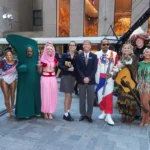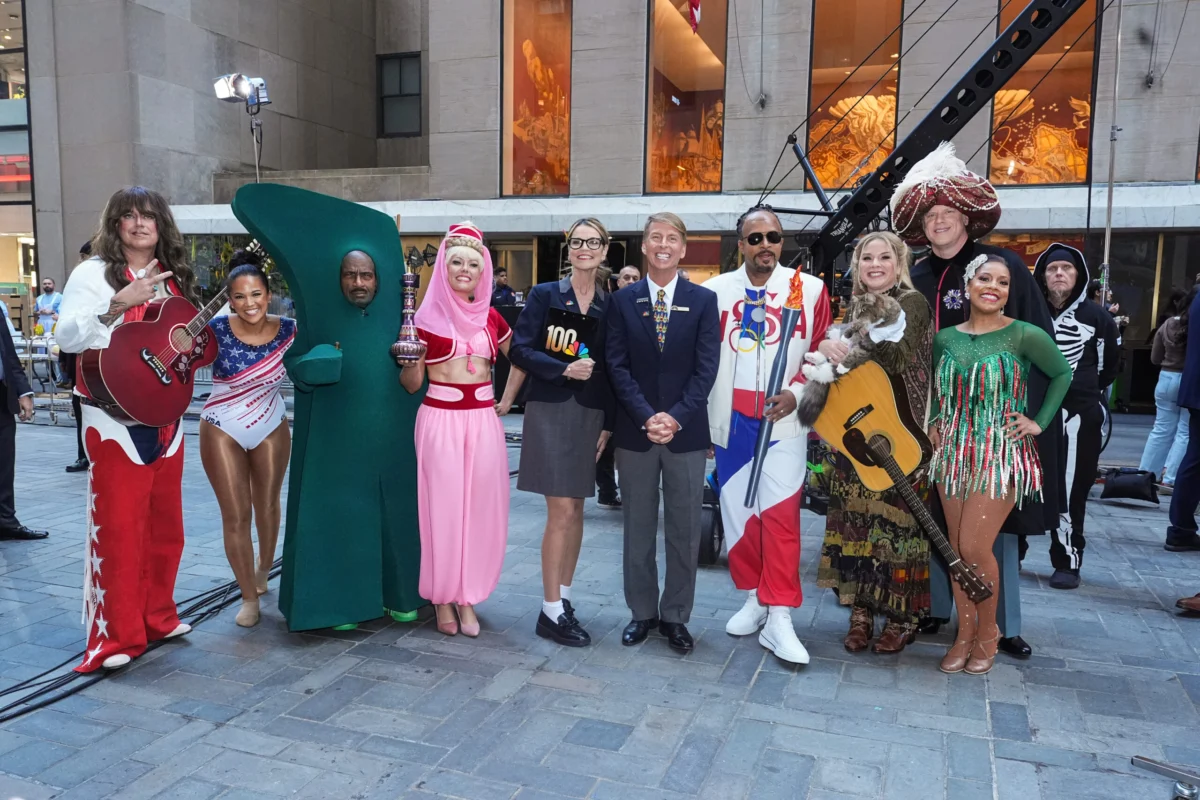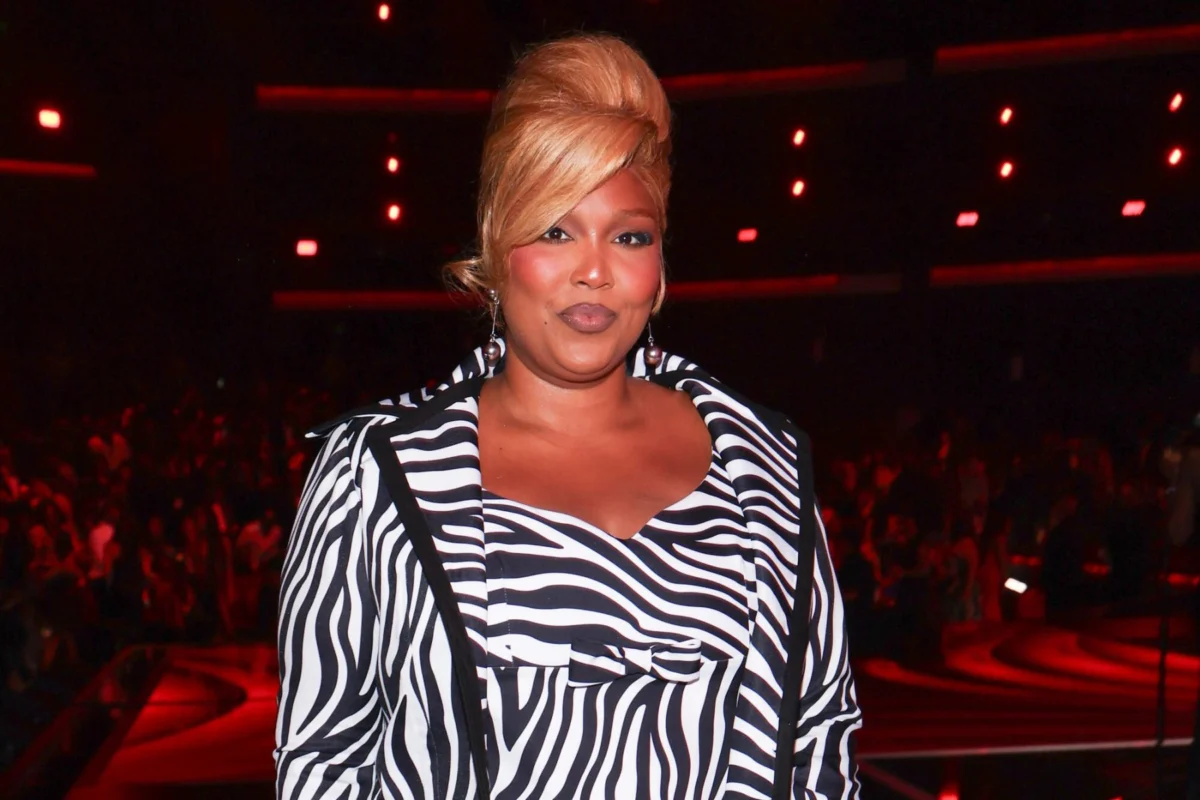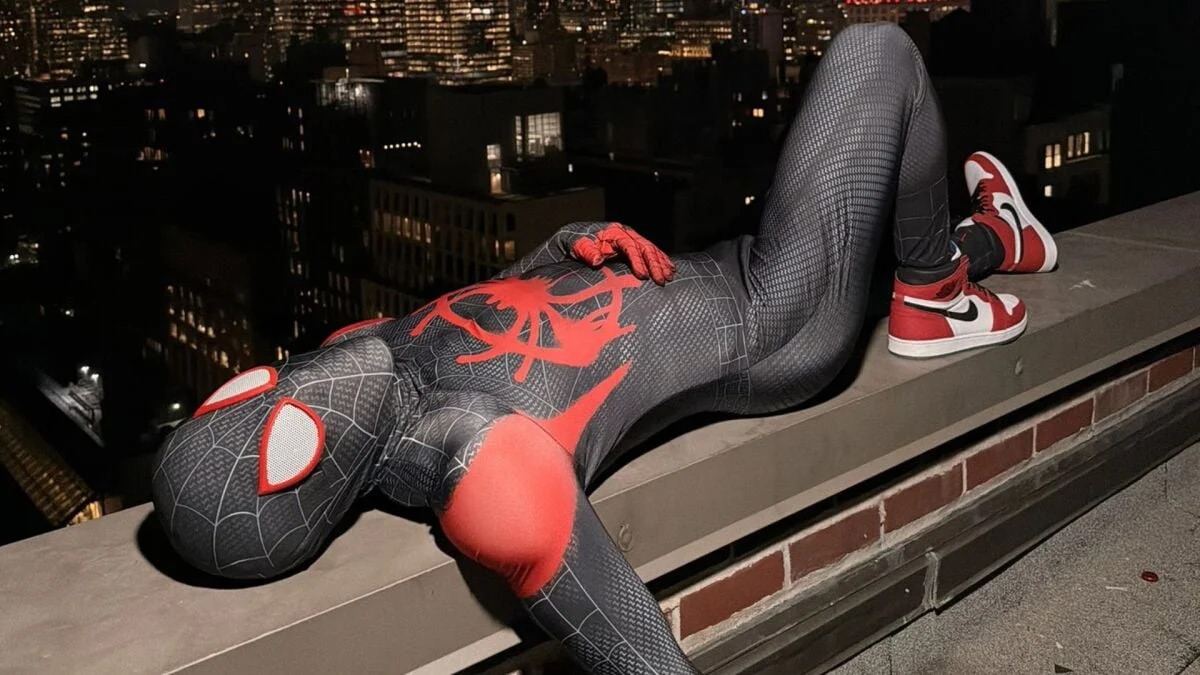
The annual celebration of Halloween has transitioned from a localized neighborhood event into a global digital showcase, with social media platforms serving as a competitive stage for the internet’s best Halloween costumes this year. From high-fidelity tributes to legendary musicians to niche references from early 2000s animation, the 2024 season has demonstrated a significant shift in how adults and influencers approach the holiday. What was once a night reserved for children collecting candy has evolved into a high-stakes arena for creative expression, often requiring months of preparation and professional-grade makeup artistry.
Market analysts and cultural observers note that the visibility of these costumes on platforms like X, TikTok, and Instagram has fundamentally changed the consumer landscape. The National Retail Federation (NRF) projected that total Halloween spending would reach record heights this year, with a substantial portion of that budget allocated to adult costumes designed specifically for viral impact. This digital-first approach to the holiday has prioritized "main character energy," where the goal is not just to participate in a party, but to capture a moment that resonates with millions of strangers online.
The Economic Impact of the Internet’s Best Halloween Costumes
The financial scale of Halloween has seen a steady trajectory upward, fueled largely by the desire to produce the internet’s best Halloween costumes for social media consumption. According to retail data, American consumers spent an estimated $11.6 billion on the holiday this year, with costumes accounting for approximately $3.8 billion of that total. The rise of "costume influencers" has created a secondary market for specialized materials, including theatrical prosthetics, professional-grade body paint, and custom-tailored garments.
This surge in spending is not limited to traditional brick-and-mortar retailers. E-commerce platforms and niche artisans on sites like Etsy have seen a spike in demand for highly specific items that cater to trending pop-culture references. As the barrier to entry for high-quality video production drops, more individuals are investing in cinematic-quality outfits, viewing the holiday as an opportunity to build a personal brand or gain digital clout through a single, perfectly executed look.
Nostalgia and the Resurgence of Millennial Media
A dominant theme among the internet’s best Halloween costumes this year is a deep-seated nostalgia for the late 1990s and early 2000s. One of the most viral entries involved a meticulously crafted tribute to "Total Drama Island," an animated reality show parody that originally aired on Teletoon and Cartoon Network. The costume resonated with Gen Z and Millennial audiences who grew up during the peak of cable television, proving that niche cultural references often perform better in digital spaces than generic "spooky" attire.
Similarly, tributes to classic children’s programming have dominated feeds. These "throwback" costumes serve as a form of cultural currency, signaling a shared upbringing among users. By recreating characters from shows that haven’t been on the air for decades, creators tap into a collective memory that drives engagement through comments, shares, and likes. This trend highlights a move away from the traditional monsters of Halloween toward a more personalized, biographical style of dressing up.
Musical Icons and the Art of the Impersonation
The internet’s best Halloween costumes often include high-effort impersonations of musical legends, and this year was no exception. A standout tribute to James Brown, the "Godfather of Soul," captured the attention of millions. This specific costume went beyond simple clothing, incorporating the precise hair styling, stage presence, and iconic "cape routine" that defined Brown’s career.
Such costumes require a level of dedication that transcends the standard holiday outfit. It involves a study of the subject’s mannerisms and historical significance. When a creator successfully captures the essence of a historical figure like James Brown, it often triggers a wave of appreciation from older generations while introducing younger audiences to musical history. This intersection of education and entertainment is a hallmark of the most successful viral content during the Halloween season.
The Influence of Live Streamers and Digital Personalities
In the modern media landscape, streamers have become the new arbiters of holiday trends. High-profile creators on platforms like Twitch and YouTube, such as IShowSpeed, have utilized their massive reach to showcase some of the internet’s best Halloween costumes to live audiences. These streamers often opt for high-energy, interactive costumes that allow them to remain in character for hours-long broadcasts.
The "streamer effect" has created a new category of costumes that are designed to look good on camera from a specific angle. Unlike traditional party costumes that must be mobile and durable, these digital-first outfits are often built with lighting and framing in mind. The influence of these personalities cannot be overstated; a single stream featuring a creative costume can spark a thousand imitators within 24 hours, creating a localized trend cycle that exists entirely within the digital ecosystem.
Cinematic Homages and the Role of Professional Makeup
The crossover between Hollywood special effects and amateur costuming has reached a fever pitch. This year, the internet’s best Halloween costumes included a striking homage to the career of Willem Dafoe, specifically referencing his iconic roles in psychological thrillers and superhero films. These tributes often rely on the creator’s ability to mimic the actor’s unique facial expressions, combined with professional-grade contouring and lighting.
Furthermore, the appearance of the "Silver Surfer" on social media feeds demonstrated the heights of modern body painting. Achieving a seamless, metallic finish over the entire body is a technical feat that requires hours of application and a high tolerance for the elements. Such costumes are often the result of collaborations between the wearer and professional makeup artists, blurring the line between a casual holiday activity and a professional portfolio piece. These high-fidelity recreations serve as a testament to the growing sophistication of the "cosplay" community, which has increasingly merged with mainstream Halloween culture.
The Shift Toward "Crossover" and "Meta" Costumes
Beyond simple character recreations, there is a growing trend toward "meta" costumes—outfits that reference internet memes, viral videos, or the concept of the holiday itself. Some of the internet’s best Halloween costumes this year were "food-themed" or focused on inanimate objects, utilizing humor and absurdity to stand out in a crowded feed. These costumes are often "cute" or "punny," designed to elicit a quick laugh and a rapid double-tap on mobile screens.
The "so cute you could eat them" category, often featuring infants or pets dressed as food items like sushi, tacos, or pumpkins, continues to be a staple of social media engagement. These images are highly shareable and provide a brief moment of levity amidst more serious or complex costume entries. This variety ensures that the digital Halloween landscape remains diverse, catering to audiences looking for everything from high-art prosthetics to simple, wholesome humor.
Cultural Implications and the Future of Digital Halloween
As the internet’s best Halloween costumes continue to push the boundaries of creativity, the holiday is increasingly viewed as a decentralized talent show. The democratization of fame through social media means that a person in a small town with a brilliant idea and a smartphone can compete for attention with a Hollywood celebrity. This has led to an "arms race" of creativity, where the stakes for "winning" Halloween are higher than ever before.
However, this shift also brings questions regarding the commercialization of the holiday. With brands now sponsoring "best costume" contests and influencers using their outfits to secure partnerships, some critics argue that the spontaneous spirit of Halloween is being replaced by a calculated pursuit of metrics. Despite this, the sheer volume of high-quality, imaginative work produced every year suggests that the holiday remains a vital outlet for human ingenuity.
The legacy of this year’s costumes will likely be seen in the trends of the coming year. As certain looks go viral, they set a new "floor" for what is considered a great costume, forcing the next wave of creators to think even further outside the box. Whether it is a tribute to a forgotten cartoon or a hyper-realistic portrayal of a silver-screen legend, the internet’s best Halloween costumes serve as a digital time capsule, capturing the pop-culture zeitgeist of the moment in vivid, often startling detail.