The sun has returned to Portugal’s Algarve region, painting a picture of scenic beauty following days of heavy rainfall. Cafes in the coastal town of Portimão buzz with activity, while in Albufeira, tourists from Northern Europe seek winter warmth on sandy beaches, surrounded by lush vegetation and a gleaming ocean. However, this idyllic facade masks a growing undercurrent of public dissatisfaction, potentially paving the way for Portugal’s first far-right nationalist president since the end of its dictatorship half a century ago.
Algarve’s Economic Landscape Fuels Political Shift
The Algarve, a perennial favorite for holidaymakers, thrives on its robust tourism sector, which forms the backbone of its economy. Yet, this very success contributes to escalating housing prices and a higher cost of living. The influx of foreign workers, essential for the hospitality industry, has also become a point of contention for some long-term residents who lament the changing character of the region, feeling that the Algarve is no longer what it once was.
Interviews with residents outside supermarkets reveal a stark reality: many struggle to afford rent due to stagnant wages. This sentiment fuels a desire for change and new leadership, with a pervasive feeling that politicians in the distant capital of Lisbon are disconnected from the everyday struggles of ordinary citizens outside the metropolitan sphere. This disconnect has transformed the Algarve into a fertile ground for André Ventura’s far-right Chega party, whose anti-establishment and anti-immigration platform resonates deeply with voters who feel ignored by mainstream political forces.
The Rise of André Ventura and Chega
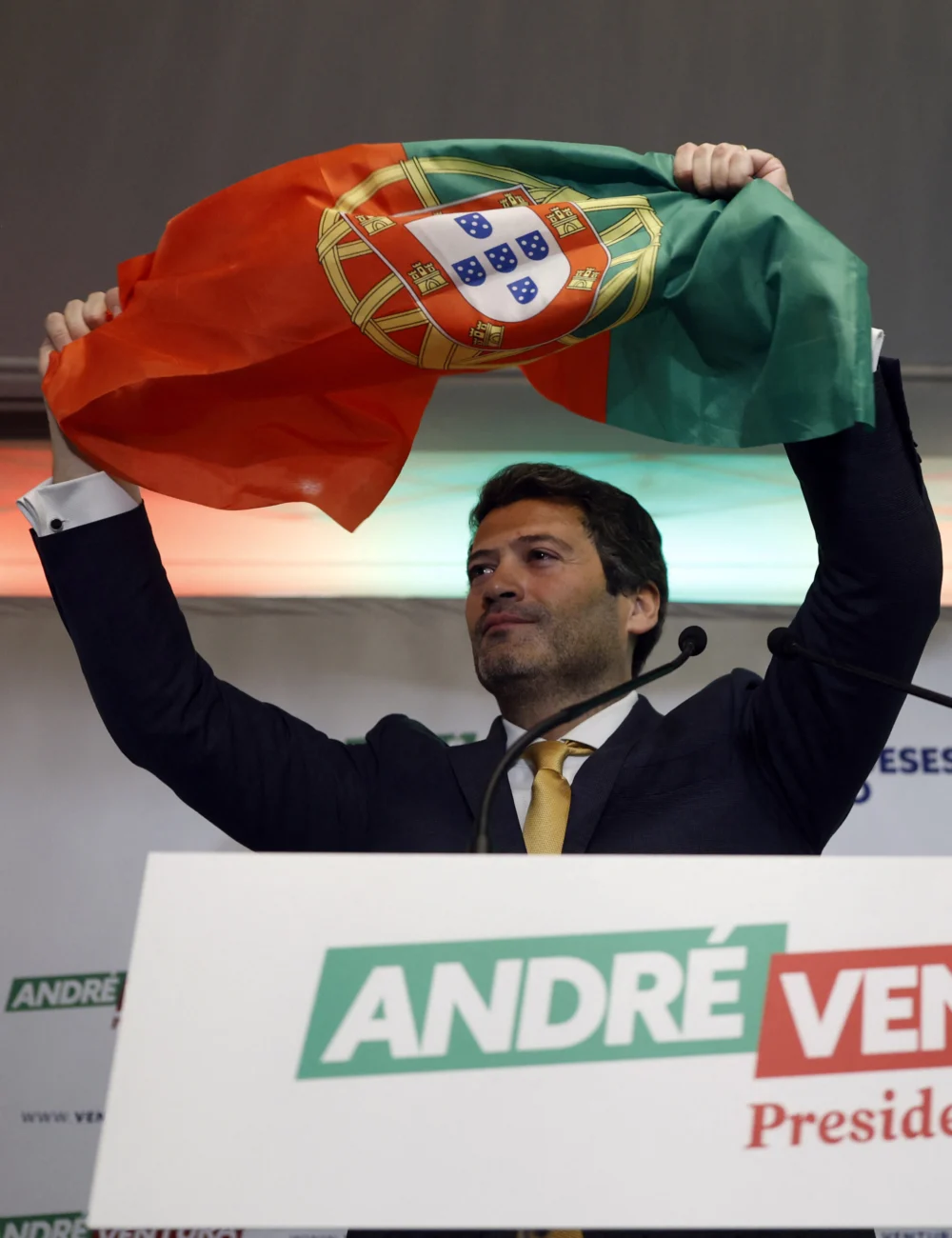
André Ventura, a former television football commentator, founded Chega, meaning "Enough," seven years ago. The party’s meteoric rise has been particularly pronounced in the Algarve, which has served as a crucial springboard for Ventura’s presidential ambitions. He is now poised to compete in the second round of the presidential run-off on February 8, marking a historic moment as the first populist candidate to reach this stage in Portuguese history.
The 2024 parliamentary elections saw Chega emerge as the primary opposition to the center-right government, significantly shaking a political landscape long dominated by socialist and liberal parties. This rapid ascent has unsettled established political figures and observers who believed Portugal was insulated from the far-right wave sweeping across other European nations.
Ventura’s campaign presence is palpable throughout Portimão and Albufeira, with billboards prominently displayed. He mirrors the tactics of figures like Donald Trump, whom he admires, by maintaining a consistent presence on television and social media. His rhetoric often targets immigration, drawing parallels with Trump’s platform and leading to legal sanctions for discriminatory remarks by Portuguese courts.
Voices of Immigrant Workers Amidst Political Tensions
Not all residents of the Algarve share the enthusiasm for a Ventura presidency. At the Timing temporary employment agency in Albufeira, a steady stream of individuals, primarily from outside Portugal, seek work in the region’s numerous hotels and restaurants. Tariq Ahmed and Saidul Islam Said from Bangladesh, and Gurjeet Singh from India, are among those who work during the holiday season to save money. They express their liking for Portugal, with Saidul acknowledging Chega’s rhetoric but stating he remains focused on his work rather than political concerns.
Ricardo Mariano, the agency’s manager, reports that approximately 70 percent of the thousands of workers on their books are foreign nationals. He emphasizes their hard work and contribution, asserting that the Algarve, and indeed the rest of Portugal, would struggle to function without immigrant labor.
Portugal’s Demographic and Economic Challenges
Portugal faces significant worker shortages across various industries. A long history of emigration, coupled with a lack of affordable housing, limited job opportunities, and low wages, continues to drive young Portuguese citizens to seek employment abroad. Successive socialist and liberal governments have been criticized for failing to reverse this trend.
The Presidential Contest: Democracy vs. Radicalism
Facing Ventura in the presidential race is veteran socialist politician António José Seguro. A former Member of Parliament, junior minister, and Member of the European Parliament, Seguro had retired from politics to pursue teaching before returning with a stated mission to unify a deeply divided nation and safeguard Portugal’s democratic institutions. He frames the election as a critical choice between democracy and radicalism.
Current opinion polls suggest Seguro could emerge victorious, and a broad spectrum of political figures are urging their supporters to unite behind him to prevent a Ventura win. While the Portuguese presidency is largely ceremonial, the office holds significant power, including the ability to dissolve parliament and veto legislation.
Campaigning on the Ground in the Algarve
In Portimão, Chega Member of Parliament João Graca actively campaigns for Ventura, seen at a local food market dressed in a suit jacket over a T-shirt bearing Ventura’s portrait. He engages with vendors and shoppers, accompanied by over a dozen supporters chanting and distributing campaign merchandise. The reception from those encountered is notably warm, underscoring the party’s local support.
For some Portuguese citizens, a Ventura presidency would signify a disastrous turn, exacerbating societal divisions and tarnishing Portugal’s reputation as one of Europe’s most tolerant nations. However, for Graca and his supporters, it represents a necessary change for the country, believing Portugal "needs Ventura." This sentiment highlights the profound polarization within the nation as it heads toward a pivotal presidential election.