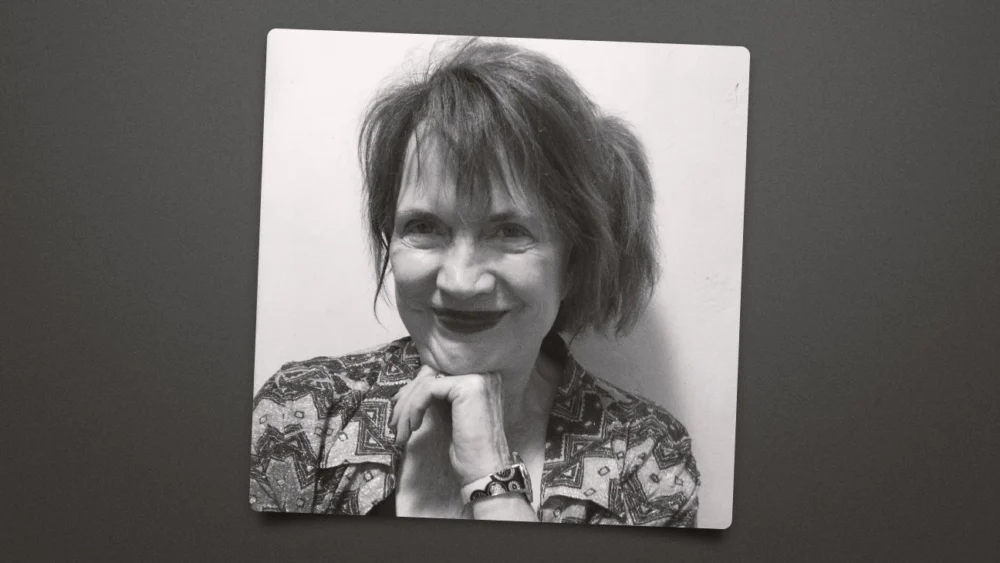
Camilla Carr, a Texas-born actress known for her distinctive roles in 1970s low-budget horror films such as Keep My Grave Open and for her memorable turn in the CBS sitcom Designing Women, has died at the age of 83. Carr passed away on Wednesday in El Paso, Texas, due to complications arising from Alzheimer’s disease and a dislocated hip, as confirmed by her son, Caley O’Dwyer.
Early Life and Theatrical Roots of Camilla Carr
Born on September 17, 1942, in Memphis, Texas, Camilla Carr’s journey into the performing arts began in her home state. She attended Kermit High School, where she first developed an interest in acting, a passion she pursued further at the University of North Texas. Her early career was firmly rooted in the vibrant regional theater scene of Texas. It was at Theatre Three in Dallas, a significant institution in the local arts community, that Carr honed her craft and met her first husband, actor Hugh Feagin.
Their shared theatrical background quickly translated to the screen. Carr and Feagin appeared together in the 1970 crime drama A Bullet for Pretty Boy, a film shot in Texas that starred Fabian Forte as the notorious 1930s bank robber Pretty Boy Floyd. This collaboration marked an early step in Carr’s film career, which would soon diverge into the burgeoning world of independent and exploitation cinema. Feagin also shared the screen with Carr in some of her subsequent horror projects, including Don’t Look in the Basement and Scum of the Earth.
Venturing into Cult Horror Cinema with S.F. Brownrigg
The 1970s proved to be a pivotal decade for Camilla Carr, as she became a fixture in the low-budget, independent horror genre, particularly through her collaborations with director S.F. Brownrigg. Brownrigg was known for his ability to conjure unsettling atmospheres and chilling narratives with minimal financial resources, carving out a niche in the exploitation film market that catered heavily to drive-in theaters and late-night movie circuits. Carr’s performances in these films often showcased her versatility, allowing her to portray characters ranging from the deranged to the deeply unsettling.
Her first collaboration with Brownrigg was in the 1973 film Don’t Look in the Basement, also known as The Forgotten. In this psychological horror feature, Carr played an unhinged patient in a remote asylum who commits a brutal act of violence against a nurse. The film, a quintessential example of regional horror, garnered a cult following for its stark depiction of madness and its raw, visceral approach to terror. It established a template for the kind of character-driven, disturbing roles Carr would become associated with early in her career.
The following year, Carr reunited with Brownrigg for Poor White Trash Part II, which was also widely distributed under the more sensational title Scum of the Earth. This film saw Carr take on the role of a devious hillbilly daughter, further solidifying her presence in the gritty, often controversial, subgenre of exploitation cinema. Scum of the Earth became a drive-in hit, tapping into the audience’s appetite for transgressive narratives and unconventional thrills. These films, while not mainstream blockbusters, provided a platform for actors like Carr to explore darker, more complex facets of human nature within a specific cinematic context.
In 1977, Carr starred in another Brownrigg production, Keep My Grave Open. This film offered her one of her most challenging roles, portraying a woman grappling with a murderous split personality. Her character believed herself to be not only herself but also her deceased brother, leading to a chilling exploration of psychological trauma and identity. Keep My Grave Open further cemented Carr’s status as an actress capable of delivering intense and memorable performances within the constraints of low-budget filmmaking. These three films collectively form a significant part of her legacy in the cult cinema world, showcasing her willingness to delve into challenging and often disturbing roles.
A Controversial Turn on ‘Designing Women’
Beyond the confines of cult horror, Camilla Carr demonstrated her acting prowess in more mainstream television productions. One of her most notable and controversial appearances came in a 1987 episode of the popular CBS sitcom Designing Women. The episode, titled "They’re Killing All the Right People," was written by series creator Linda Bloodworth Thomason and tackled the then-taboo subject of the AIDS crisis with a rare directness for network television.
Carr portrayed Mrs. Imogene Salinger, a client of the Sugarbaker & Associates interior design firm. In a scene that remains powerfully resonant decades later, Mrs. Salinger overhears plans for the funeral of a young interior designer, played by Tony Goldwyn, who is dying of AIDS. Her character then delivers a chilling and bigoted line, remarking, "As far as I’m concerned, this disease has one thing going for it: It’s killing all the right people." This statement, delivered with a calm, almost detached cruelty by Carr, immediately sparked outrage and discussion among viewers and critics alike.
The episode was a bold move for Designing Women, a show already known for its progressive stance and sharp social commentary. In the late 1980s, the AIDS epidemic was still shrouded in fear, misinformation, and prejudice. Many public figures and segments of society held discriminatory views against those affected, particularly gay men, who were disproportionately impacted. Bloodworth Thomason, whose own mother had recently contracted AIDS through a blood transfusion and subsequently died, felt a profound personal imperative to address the issue head-on. Her courage in writing such a provocative script earned her an Emmy nomination for Outstanding Writing in a Comedy Series.
Carr’s portrayal of Mrs. Salinger, while embodying a deeply unlikable and hateful character, was widely praised for its effectiveness. Her son, Caley O’Dwyer, encapsulated the sentiment by noting, "It was a shitty character, but she did a great job." The performance was not just about delivering lines but about conveying the ingrained prejudice and lack of empathy that many people held at the time. Her ability to make the audience feel such strong revulsion highlighted the uncomfortable truths the episode sought to expose, contributing significantly to the show’s impact and its legacy as a trailblazer in television history. The scene served as a powerful indictment of societal bigotry and remains a stark reminder of the challenges faced by the LGBTQ+ community during the height of the AIDS crisis.
Diverse Roles Across Film and Television
Camilla Carr’s career spanned various genres and mediums, demonstrating her range beyond the horror films and a singular sitcom appearance. In 1976, she appeared in the Michael Anderson-directed science fiction classic Logan’s Run. While a smaller role, her involvement placed her in a visually ambitious and conceptually groundbreaking film that explored themes of dystopia, overpopulation, and the search for freedom in a future society where life is strictly controlled and terminated at age 30.
Her television credits extended to popular daytime and primetime dramas. In 1988, Carr took on the recurring role of Nellie Maxwell, a housekeeper and snoop, in three episodes of the CBS primetime soap opera Falcon Crest. This role allowed her to navigate the intricate webs of family drama and power struggles characteristic of the era’s popular soaps. She also made appearances in other well-known television series, including the acclaimed sitcom One Day at a Time, which explored the lives of a divorced mother and her two daughters, and the long-running daytime soap opera Another World, providing her with exposure to different acting styles and audiences.
Beyond film and television, Carr maintained a strong connection to the stage. In 1991, she played the character of Maxine in Tennessee Williams’ classic play The Night of the Iguana. This production was one of several she undertook for the Los Angeles Theatre Center, a prominent institution known for its commitment to diverse and challenging theatrical works. Performing in a Tennessee Williams play requires a profound understanding of character and emotion, further underscoring Carr’s capabilities as a dramatic actress. Her work in theater provided a foundation and a creative outlet that complemented her screen roles.
A testament to her enduring connection to her early career, Camilla Carr came out of retirement in 2015 to appear in Don’t Look in the Basement 2. This sequel to her 1973 cult classic was directed by Anthony Brownrigg, the son of the original film’s director, S.F. Brownrigg. Her return to the franchise was a nod to her horror roots and an opportunity to revisit a universe that had defined a significant portion of her early filmography, bringing a sense of continuity and nostalgia for long-time fans.
A Penchant for Writing and Later Life
Beyond her work as an actress, Camilla Carr was also a writer. She contributed to telefilms, showcasing her ability to craft narratives for the screen from a different perspective. In 1989, she authored the comic novel Topsy Turvy Dingo Dog. The book centered on the character of Mary Jane Shady, a B-movie actress who makes a return to her quirky hometown of Uncertain, Texas, for her 20th high school reunion. The novel likely drew inspiration from Carr’s own experiences in the independent film world and her Texas upbringing, offering a humorous and perhaps semi-autobiographical look at the life of an actress navigating both fame and small-town roots. This foray into writing highlighted another dimension of her creative talent.
Carr’s personal life also saw significant connections within the entertainment industry. Following her marriage to Hugh Feagin, she married Oscar-winning screenwriter Edward Anhalt in 1968. Anhalt was a highly respected figure in Hollywood, known for his compelling screenplays for films like Panic in the Streets (1950), which earned him an Academy Award for Best Story, and Becket (1964), for which he received an Oscar for Best Adapted Screenplay. Their marriage lasted until their divorce in 1976. Anhalt, who was married five times, had a career marked by critical acclaim and a reputation for incisive storytelling. Carr’s association with such a celebrated writer further illustrates her deep immersion in the world of film and storytelling, both in front of and behind the camera.
Legacy and Impact of Camilla Carr
Camilla Carr’s career, while not always in the brightest spotlight, left an indelible mark on specific niches of the entertainment industry. Her work in the 1970s cult horror scene, particularly with S.F. Brownrigg, cemented her as a memorable figure for fans of independent and exploitation cinema. These films, often made on shoestring budgets, relied heavily on the performances of their actors to convey dread and psychological tension, a task at which Carr consistently excelled. Her willingness to embody complex, often disturbing characters, contributed significantly to the unsettling atmosphere of these low-budget classics.
Her performance as Mrs. Imogene Salinger on Designing Women transcended typical guest star roles, becoming a cultural touchstone for its powerful and timely confrontation of AIDS-related prejudice. This single appearance showcased her ability to deliver a performance that was both chillingly authentic and socially impactful, sparking important conversations and challenging prevailing biases during a critical period in American history. It demonstrated the power of television to address sensitive social issues and the role of an actor in bringing those narratives to life, however uncomfortable.
Through her diverse roles, from sci-fi to soap operas, and her contributions to theater, Camilla Carr demonstrated a commitment to her craft across various platforms. Her foray into writing further illuminated her multifaceted talent. Carr’s life and career represent a dedication to acting and storytelling, whether in the gritty realism of a B-movie, the dramatic intensity of the stage, or the poignant social commentary of network television. She is survived by her son, Caley O’Dwyer, who continues her artistic legacy as a writer, poet, and painter. Carr’s contributions, though varied, collectively paint the portrait of an actress who embraced challenging roles and left a lasting impression on the audiences she reached.