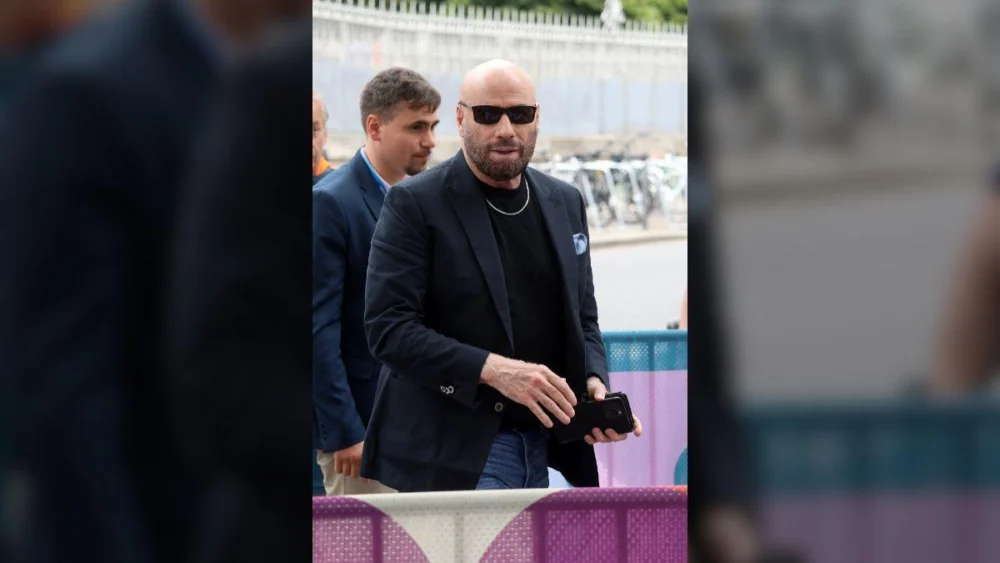
John Travolta, a name synonymous with Hollywood superstardom for decades, is confronting a profound new low in his celebrated career, marked by recent film releases struggling to register any meaningful box office presence. The veteran actor’s latest projects have reignited industry debate over how a once-bankable star, who commanded multi-million dollar paychecks, has experienced a precipitous professional decline. This stark contrast highlights a challenging chapter for the 71-year-old icon, whose recent film performances have largely gone unnoticed by audiences and critics alike.
A Steep Decline from Stardom
The nadir of this career trajectory became acutely apparent with Travolta’s 2023 crime film, Mob Land, which reportedly grossed a mere £125 at the British box office, equivalent to approximately $171, following its release in just three theaters. This abysmal performance set a concerning precedent, with his most recent offering, High Rollers, a low-budget action thriller, also facing similar commercial indifference. The film, starring Travolta as a retired master thief coerced back into crime, barely registered on the cinematic landscape, failing to secure a wide release or significant audience engagement.
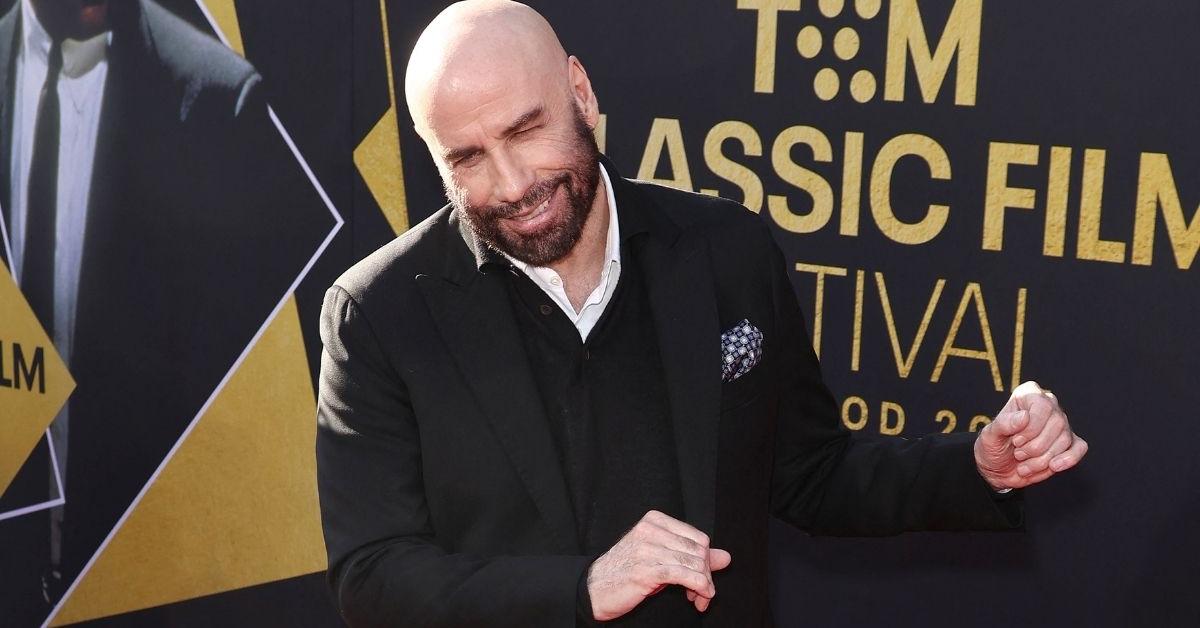
Once an actor capable of commanding up to $20 million per film during his peak, Travolta now finds himself headlining productions that often bypass traditional theatrical distribution channels. These films typically receive limited, often perfunctory, releases before quickly moving to streaming platforms or video-on-demand services. This shift represents a dramatic fall from grace for a performer who once defined an era of blockbuster entertainment.
The Unraveling of a Hollywood Icon’s Career
John Travolta’s journey to global fame was nothing short of meteoric. A high school dropout from New Jersey, he first captivated audiences on television before exploding onto the big screen. His iconic roles as Tony Manero in 1977’s Saturday Night Fever and Danny Zuko in 1978’s Grease cemented his status as a cultural phenomenon and a definitive leading man. Rolling Stone famously declared he would be "revered forever, in the manner of Elvis, James Dean, [and] Marilyn Monroe," underscoring the immense public adoration and critical acclaim he enjoyed.
Following a period of less successful projects in the 1980s, Travolta engineered one of Hollywood’s most remarkable comebacks. His 1994 collaboration with Quentin Tarantino in the genre-defining Pulp Fiction earned him an Academy Award nomination for Best Actor and instantaneously restored his A-list status. This critical and commercial triumph seemed to herald a robust second act, solidifying his reputation as a versatile and enduring talent.
Controversial Collaborations and Critical Backlash
However, this revival proved to be fleeting. Many industry observers pinpoint 2000’s Battlefield Earth as a pivotal moment in Travolta’s career decline. The science fiction film, based on a novel by Scientology founder L. Ron Hubbard and a passion project for the devout Scientologist, was met with near-universal derision. Critics lambasted it as a cinematic disaster, and IMDb users later voted it the worst film ever made. The commercial and critical failure of Battlefield Earth inflicted significant damage on Travolta’s professional reputation, from which many argue he never fully recovered.
In recent years, Travolta’s film choices have increasingly drawn scrutiny, particularly his frequent collaborations with producer Randall Emmett, 54. Industry insiders suggest that Travolta’s current trajectory has been heavily influenced by his association with Emmett, whose production methods have been criticized for prioritizing speed and cost-cutting over artistic quality. Emmett himself has faced serious accusations of sexual misconduct, which he denies, detailed in a 2022 Los Angeles Times investigation and a subsequent Hulu documentary. Since these allegations emerged, Emmett has reportedly begun using his middle name, Ives, professionally.
The critical reception for Travolta’s recent work has been devastating. The Guardian‘s review of High Rollers offered a particularly scathing assessment, describing the project as a "heart-slowing work of staggering stupidity and charmlessness, ineptly made and quite frankly dull except when its flaws become so egregious you can’t help but guffaw." The review further highlighted "the air of tawdry cost-cutting" pervading every aspect of the film, from casting to costumes. High Rollers was so poorly received that it failed to garner enough reviews for a Rotten Tomatoes rating, with only nine critics bothering to weigh in.
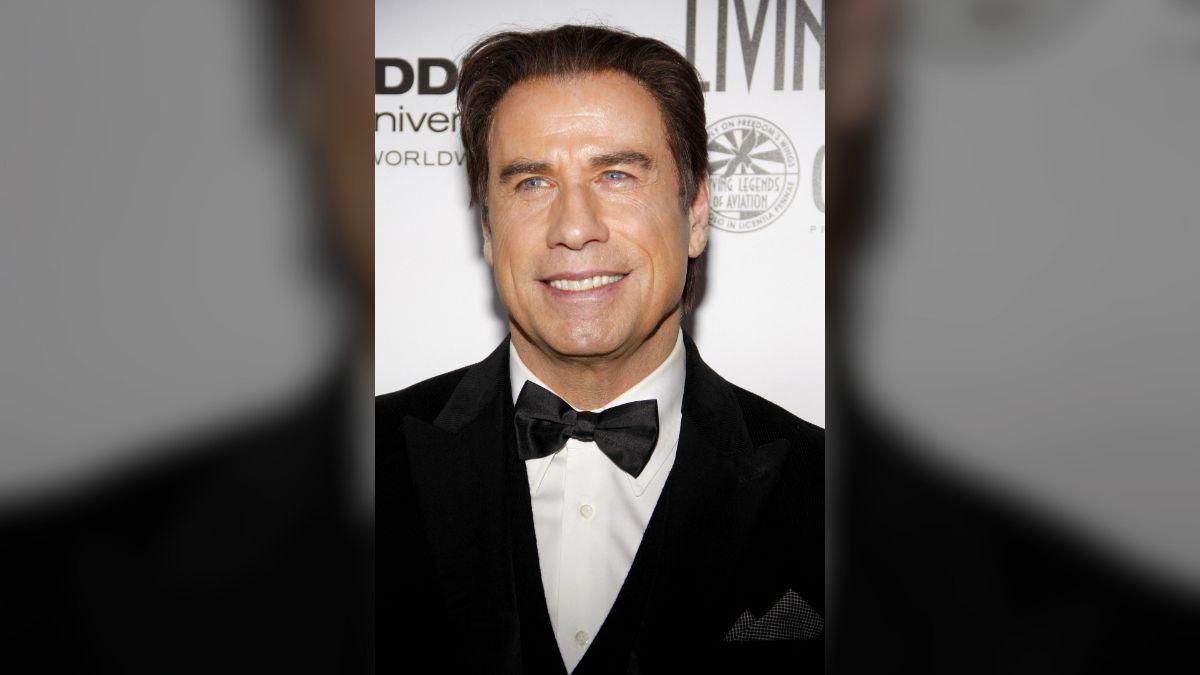
This pattern of critical indifference is not new. Travolta’s 2018 film Speed Kills achieved a rare 0 percent rating on Rotten Tomatoes, a dubious distinction he repeated in the same year with Gotti, where he portrayed mob boss John Gotti. These consecutive failures underscore a disturbing trend in the quality and commercial viability of his recent filmography.
Personal Trials Amidst Professional Woes
Adding to the professional challenges, Travolta has endured profound personal tragedies that have undoubtedly cast a long shadow over his life. In 2009, his eldest son, Jett, died at the age of 16. More recently, in 2020, his beloved wife, actress Kelly Preston, passed away at 57 after a courageous battle with breast cancer. Despite these immense personal losses, Travolta has maintained a relentless work ethic, continuing to appear in a steady stream of films, a testament to his enduring commitment to his craft, even as his career faced increasing headwinds.
The Broader Implications of a Fading Star
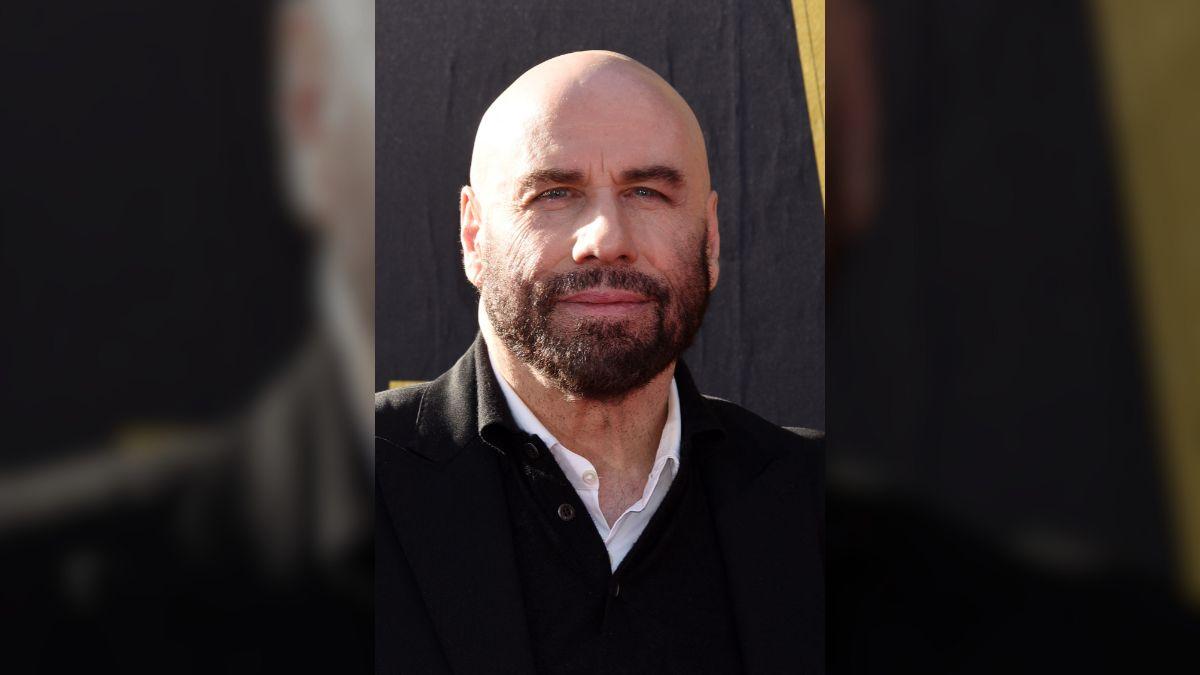
Travolta’s situation is not entirely unique in Hollywood, where many aging stars grapple with finding compelling material and maintaining relevance in a rapidly evolving industry. However, the severity of his decline, particularly the minuscule box office returns, has sparked broader conversations about career management and legacy. One movie industry source poignantly observed, "If John had stepped away after Pulp Fiction, his legacy would be untouchable – a perfect second act that sealed his place among Hollywood’s true greats."
Instead, by continuing to work extensively and, in the eyes of some, making questionable project choices, he has inadvertently diluted the extraordinary achievements of his past. This ongoing narrative raises questions about the long-term impact on a star’s historical standing when their later work fails to live up to previous standards. The public and critical perception of his current output stands in stark contrast to the iconic performances that defined his earlier career, creating a poignant juxtaposition that defines his current Hollywood journey.
What Lies Ahead for John Travolta?
As John Travolta enters his early seventies, the path forward for his career remains uncertain. The landscape of film production has shifted dramatically, with a greater emphasis on franchise blockbusters and prestige streaming series. The market for the type of low-budget action thrillers he has recently favored appears increasingly saturated and less lucrative. Whether Travolta will seek to reinvent his image, pursue more character-driven roles, or find a new niche in the entertainment industry remains to be seen.
The challenge for Travolta lies not just in securing roles, but in finding projects that can genuinely resonate with audiences and critics, allowing him to reclaim some of the artistic integrity that characterized his most celebrated work. His enduring presence in Hollywood, despite the recent setbacks, speaks to a deep-seated passion for acting. However, the commercial and critical reception of his latest films undeniably underscores a need for a significant re-evaluation of his career choices if he hopes to restore his standing as a revered figure in cinematic history.