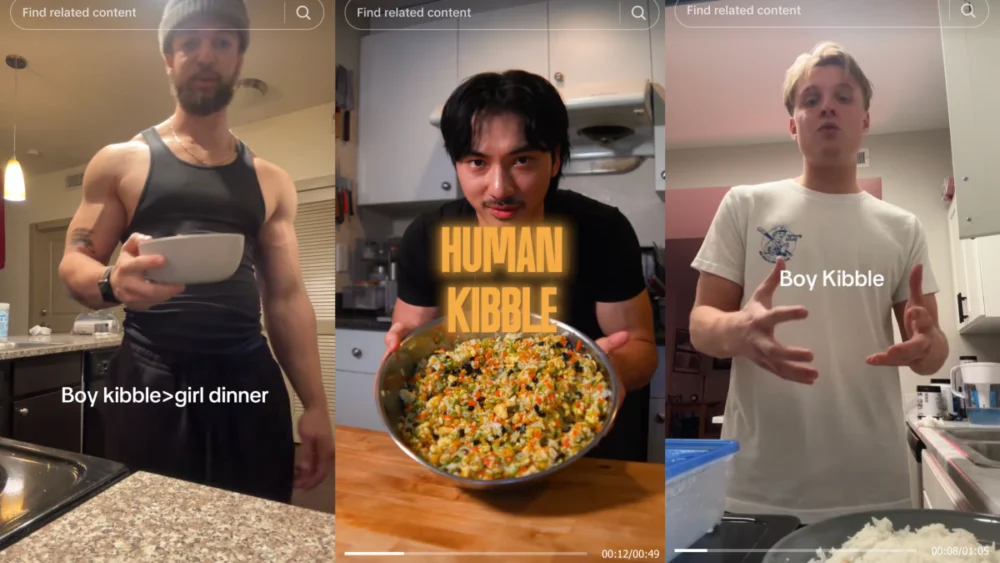
TikTok has introduced a new dietary phenomenon known as "Boy Kibble," a utilitarian approach to eating that prioritizes macro-nutrients and simplicity over culinary complexity. This trend, which focuses on a repeatable base of ground beef and white rice, has garnered millions of views as users embrace a "functional food" philosophy previously confined to niche bodybuilding communities. The emergence of Boy Kibble represents a significant shift in social media food aesthetics, moving away from highly curated, "Instagrammable" meals toward a starker, more practical form of nutrition.
The core of the Boy Kibble trend involves a high-protein, high-carbohydrate mixture that resembles pet food in its presentation and consistency. Typically, the meal consists of lean ground beef seasoned simply and served over a bed of white or brown rice. While variations include the addition of frozen vegetables, hot sauce, or soy sauce, the primary objective remains the same: efficient fuel for the body with minimal preparation time. This "no-fuss" approach has resonated with a demographic that values physical fitness and time management over traditional cooking techniques.
The Anatomy of the Boy Kibble Phenomenon
The term "Boy Kibble" is a play on the industry term for processed pet food, highlighting the repetitive and basic nature of the meal. In the digital space, branding is essential for a trend to gain traction, and Boy Kibble follows a long line of viral food labels. Unlike the "Girl Dinner" trend of 2023, which celebrated a variety of snacks and small plates as a meal, Boy Kibble is rooted in the concept of "volume eating" and "meal prepping." It is designed to be cooked in bulk, stored in plastic containers, and consumed throughout the week to maintain consistent caloric intake.
The simplicity of Boy Kibble is its primary selling point. For many young men and fitness enthusiasts, the kitchen is often viewed as a laboratory for muscle growth rather than a space for creative expression. By stripping away the need for complex recipes or expensive ingredients, Boy Kibble democratizes the "gym bro" diet. The trend emphasizes lean protein—usually 90/10 or 93/7 ground beef—paired with a fast-digesting carbohydrate like jasmine rice. This combination is a staple in the vertical diet and other performance-based nutritional regimens, but the TikTok branding has brought it to a mainstream audience.
From Bodybuilding Subcultures to Mainstream Feeds
While the name is new, the concept of Boy Kibble has existed in the fitness world for decades. Bodybuilders and powerlifters have long relied on "meat and rice" bowls as a cost-effective way to meet their daily protein requirements. However, the rebranding of this habit as Boy Kibble marks a cultural shift where the mundane aspects of a disciplined lifestyle are being celebrated as a lifestyle choice. The trend has been further validated by culinary figures such as Matty Matheson, a renowned chef and internet personality, who shared his own version of the minimalist meal, signaling that even those with professional training appreciate the utility of a simple protein bowl.
The rise of this trend also coincides with the popularity of "Slop Bowls," a term used to describe grain-based meals from fast-casual chains like Cava, Sweetgreen, or Chipotle. These bowls often prioritize a mix of ingredients that lose their individual identity when stirred together. Boy Kibble takes this a step further by removing the expensive "toppings" and focusing on the bare essentials. It is a reaction to the complexity of modern food culture, offering a reprieve from the pressure to produce gourmet-level meals at home.
Gendered Marketing and the Social Media Lexicon
The naming convention of Boy Kibble is part of a broader linguistic pattern on social media where behaviors are categorized by gender to create a sense of community. Just as "Girl Dinner" allowed women to bond over the shared experience of low-effort, snack-based meals, Boy Kibble provides a label for the stereotypical male preference for efficiency and volume. However, influencers and health experts note that these meals are not gender-exclusive. People of all genders who engage in high-intensity training or have busy schedules are adopting the Boy Kibble mindset.
Critics of these labels argue that they reinforce outdated stereotypes about how men and women eat. Nevertheless, the trend’s proponents suggest that the humor inherent in the name "kibble" makes the disciplined act of dieting feel more accessible. It acknowledges the repetitive nature of healthy eating with a wink and a nod, making the "boring" reality of meal prepping feel like part of a larger, shared joke. This social cohesion is a powerful driver of TikTok’s algorithmic success, as users feel compelled to share their own "kibble" setups.
Nutritional Viability and Health Expert Perspectives
From a nutritional standpoint, Boy Kibble is a sound foundation for a meal, provided it is balanced with micronutrients. Lean ground beef is an excellent source of protein, iron, and vitamin B12, while rice provides the necessary glucose for brain function and athletic performance. However, nutritionists warn that a diet consisting solely of beef and rice may lead to deficiencies in fiber and essential vitamins found in fruits and vegetables. Many TikTok creators have addressed this by adding spinach, broccoli, or bell peppers to their "kibble," though the core identity of the dish remains the protein and carb base.
The trend also highlights a growing interest in "functional eating," where food is viewed primarily as a tool for achieving specific physical goals. This can be beneficial for those struggling with decision fatigue or those trying to save money on groceries. By narrowing their options to a few repeatable meals, individuals can more easily track their macros and maintain a caloric deficit or surplus. However, experts also caution against the "dehumanization" of food, noting that the pleasure of eating is also an important component of overall well-being.
The Economic Drivers of Simplified Eating
The economic climate has played a significant role in the proliferation of Boy Kibble. With rising food inflation and the increasing cost of dining out, many young adults are looking for ways to eat nutritiously on a budget. Ground beef and rice are among the most cost-effective staples in the American grocery store. A single pound of ground beef and a large bag of rice can feed an individual for several days at a fraction of the cost of a single meal from a delivery service.
This economic reality has made the Boy Kibble trend particularly appealing to college students and early-career professionals. The "bulk cooking" aspect of the trend reduces food waste and saves time, two precious commodities in a fast-paced economy. As the "wellness" industry often promotes expensive supplements and "superfoods," Boy Kibble serves as a counter-narrative that health and muscle gain can be achieved through basic, affordable ingredients.
Cultural Impact and the Future of Social Media Food Trends
The impact of Boy Kibble extends beyond the kitchen, reflecting a broader cultural movement toward minimalism and "anti-aesthetic" content. In the early days of social media, food was often judged by its visual appeal—vibrant colors, intricate plating, and perfect lighting. Boy Kibble, which is often brown, mushy, and served in utilitarian Tupperware, rejects these standards. It prioritizes the "realness" of daily life over the "perfection" of a curated feed.
This shift toward authenticity is a hallmark of current social media trends. Users are increasingly drawn to content that reflects their actual habits rather than an aspirational version of their lives. Seeing a fitness influencer eat a bowl of "kibble" instead of a gourmet salad makes their physique and lifestyle seem more attainable to the average viewer. This relatability is what gives Boy Kibble its staying power, as it mirrors the actual eating habits of millions of people who prioritize health but lack the time for elaborate culinary pursuits.
The Role of the TikTok Algorithm in Food Branding
The TikTok algorithm is uniquely suited to spreading trends like Boy Kibble. By using a catchy, slightly self-deprecating name, creators can tap into a specific niche that the algorithm then amplifies to a wider audience. Once a term like "Boy Kibble" enters the lexicon, it creates a feedback loop where more users create content under that banner to capitalize on the search traffic. This has turned a simple meal prep habit into a cultural touchstone that defines a specific era of internet nutrition.
As the trend continues to evolve, we are likely to see more variations and "premium" versions of the meal. Some users are already experimenting with "High-End Kibble," using grass-fed beef or heirloom rice varieties, while others are focusing on vegan alternatives using soy-based crumbles or lentils. Regardless of the ingredients, the philosophy of the "kibble" remains: a single-bowl meal that satisfies hunger and nutritional requirements without the need for a recipe book.
Long-term Implications for the Food Industry
The food and grocery industries are beginning to take note of these "functional" trends. There is a growing market for pre-portioned, high-protein meal kits that mimic the Boy Kibble structure. Manufacturers of rice cookers and meal prep containers have also seen a surge in interest as young consumers invest in the tools necessary to maintain this lifestyle. The trend suggests a future where convenience and nutrition are more closely linked than ever before, with a focus on "clean" ingredients and macro-nutrient transparency.
Ultimately, Boy Kibble is more than just a viral hashtag; it is a reflection of how a new generation views sustenance, time, and health. By stripping away the fluff of traditional food culture, TikTok users have found a way to celebrate the efficiency of the human body and the simplicity of the fuel required to keep it running. While the name may be silly, the underlying message of practical, affordable nutrition is one that resonates across the digital landscape, signaling a permanent change in how we talk about and consume our daily meals.