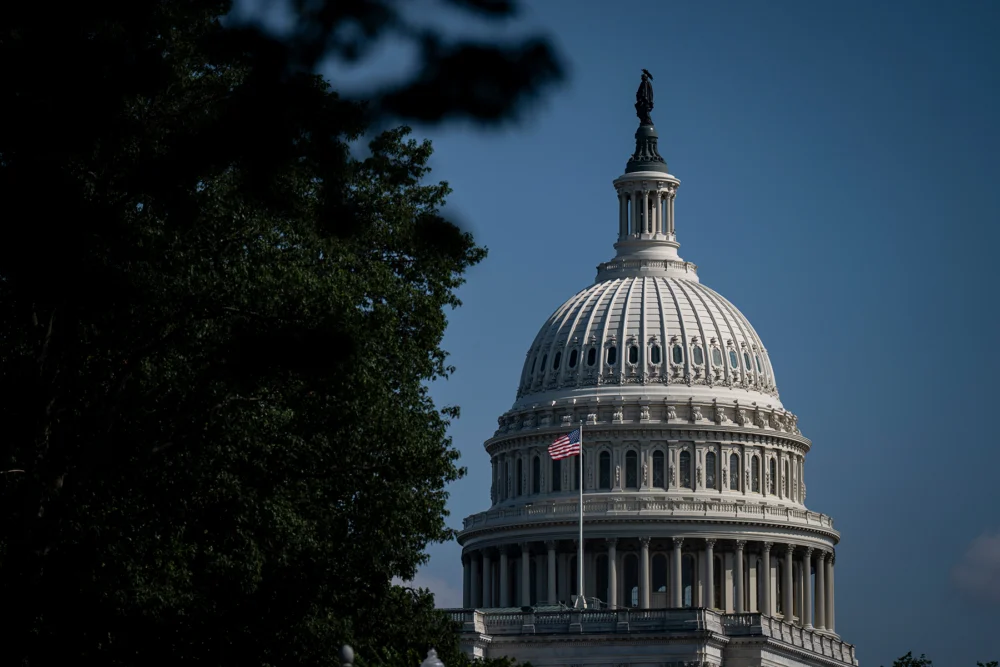
A significant wave of federal legislation impacting the music industry is currently under consideration in the 119th Congress, with lawmakers addressing a broad spectrum of issues from artist royalties and licensing to ticketing practices and the economic impact of live performances. This legislative push, spanning diverse areas of the music ecosystem, is drawing close scrutiny from artists, industry organizations, and major corporations alike.
The legislative landscape is characterized by a notable degree of bipartisan engagement, with bills often garnering support from both Democratic and Republican members. This cross-party backing is crucial for advancing legislation through the complex congressional process. Key industry stakeholders, including the Recording Academy, the Recording Industry Association of America (RIAA), major record labels, and live entertainment giant Live Nation, are actively lobbying lawmakers and advocating for the passage of these measures. Their involvement underscores the potential ramifications these bills could have on the financial health and operational frameworks of the music business.
Understanding the legislative journey of these bills is essential. The process is often lengthy and intricate, involving multiple stages from introduction and committee review to floor votes in both the House of Representatives and the Senate. Bills may be reintroduced in different forms over successive Congresses, and amendments are common as they navigate the chambers. Ultimately, for a bill to become law, it must pass both houses of Congress in identical form and then be signed by the President.
In an effort to provide clarity and a comprehensive overview of the legislative activity, a detailed compilation of music-related bills currently before the 119th Congress has been assembled. This resource aims to illuminate the background, proponents, and potential consequences of each piece of proposed legislation, offering insights into how they could reshape various facets of the music industry.
Tracking Key Music Legislation in the 119th Congress
The 119th Congress is actively deliberating on several critical pieces of legislation that hold the potential to significantly alter the music industry’s landscape. These bills address a range of issues, reflecting the evolving challenges and opportunities within the sector.
Songwriter and Artist Royalties: Addressing Fair Compensation
A central focus of current legislative efforts is the equitable compensation of songwriters and artists. Several bills aim to reform existing royalty structures, particularly in light of the digital transformation of music consumption.
The CLASSICS Act (Compensating Legacy Artists for their Songs, Service, and Security)
This legislation, often reintroduced in various forms, seeks to address the long-standing issue of uncompensated digital performance royalties for pre-1972 sound recordings. Under current U.S. copyright law, older recordings often do not receive the same performance royalties as newer ones when played on digital radio services.
- Background: Before the Music Modernization Act (MMA) of 2018, sound recordings made before February 15, 1972, were not eligible for federal copyright protection and thus not entitled to digital performance royalties. While the MMA addressed some aspects, gaps remain, particularly for older works.
- Impact: Passage of the CLASSICS Act would ensure that legacy artists and rights holders receive royalties for the digital broadcast of their music, providing a potential new revenue stream and rectifying what many view as historical inequity. This could have a substantial economic benefit for older musicians and their estates.
- Support: The bill has garnered significant support from artist advocacy groups and legacy artists who have been vocal about the need for fair compensation.
The AM-FM Act
This proposed legislation aims to establish a performance royalty for sound recordings played on terrestrial (AM/FM) radio. Currently, broadcasters are exempt from paying royalties to artists and labels for music played on traditional radio, a stark contrast to the royalties paid for digital and satellite radio.
- Background: The exemption for terrestrial radio has been a contentious issue for decades, with the music industry arguing it is an outdated relic of broadcasting law that disadvantages creators.
- Impact: If enacted, the AM-FM Act would create a new, significant revenue source for artists, songwriters, and record labels. This could lead to increased investment in new music and artist development. It could also alter the economics for radio broadcasters.
- Support: The bill is strongly backed by the RIAA, the Recording Academy, and a broad coalition of artists and music organizations.
Ticketing and Live Performance Economics
The live music sector, a vital component of the industry’s revenue, is also a subject of legislative scrutiny, particularly concerning ticketing practices and market fairness.
The FAN Freedom Act (Fair Access to Music) and Related Ticketing Reform Bills
Several bills, often with similar objectives, aim to bring greater transparency and fairness to the ticket resale market and combat predatory scalping practices. These initiatives seek to ensure that fans can purchase tickets at reasonable prices and that artists and venues receive a fair share of revenue.
- Background: The secondary ticket market has been dominated by a few large platforms, and concerns have been raised about the use of bots to purchase large quantities of tickets, driving up prices and making it difficult for genuine fans to attend shows.
- Impact: Legislation in this area could lead to more accessible ticket prices for consumers, fairer distribution of tickets, and potentially new revenue-sharing models between primary and secondary markets. It could also empower artists and venues with more control over their ticket sales.
- Support: These bills typically enjoy broad support from consumer advocacy groups, artist associations, and many venues.
Digital Music and Copyright Reform
As the digital landscape continues to evolve, legislative efforts are underway to adapt copyright law and ensure fair practices in online music distribution.
The CASE Act (Copyright Alternative in Small-Claims Enforcement)
While not exclusively music-related, the CASE Act is crucial for independent artists and small music businesses. It establishes a specialized tribunal within the U.S. Copyright Office to handle copyright infringement claims for smaller monetary disputes, providing a more accessible and affordable avenue for enforcement.
- Background: Previously, copyright holders with claims below a certain monetary threshold often faced prohibitive legal costs to pursue infringement cases in federal court.
- Impact: The CASE Act empowers creators, including independent musicians and songwriters, to protect their work from unauthorized use without incurring exorbitant legal fees. This can be particularly beneficial for emerging artists and smaller labels.
- Support: This act has broad support across creative industries, including music, as it democratizes copyright enforcement.
The American Music Fairness Act
This legislation aims to grant performing rights organizations (PROs) the ability to collect and distribute royalties for the public performance of musical compositions on digital radio platforms. This would align the treatment of songwriters and publishers with that of recording artists under the MMA.
- Background: The MMA primarily addressed royalties for sound recordings. The American Music Fairness Act seeks to extend similar protections to the underlying musical works.
- Impact: Enactment would provide a new revenue stream for songwriters and music publishers, enhancing their ability to earn a living from their creative work in the digital space.
- Support: Songwriter and music publisher organizations are strong advocates for this bill.
The Legislative Process and Industry Advocacy
The journey of these bills through Congress is dynamic and often requires sustained advocacy. Industry organizations are working tirelessly to educate lawmakers about the specific impacts of each proposal. Their efforts include providing data, sharing personal stories from artists, and building coalitions to demonstrate broad support.
- Committee Hearings and Markups: Bills often undergo scrutiny in congressional committees, where hearings are held to gather testimony from experts, stakeholders, and affected parties. Lawmakers may then mark up the legislation, proposing amendments before it advances.
- Floor Debates and Votes: Once a bill clears committee, it moves to the floor of the House or Senate for debate and a vote. Passage requires a majority vote in both chambers.
- Reconciliation and Presidential Action: If the House and Senate pass different versions of a bill, a conference committee may be formed to reconcile the differences. The final, identical bill must then be sent to the President for signature into law.
The ongoing legislative activity in the 119th Congress underscores a critical moment for the music industry. The outcomes of these debates will have far-reaching consequences, shaping the economic realities for artists, the business models of companies, and the accessibility of music for consumers for years to come. Billboard will continue to monitor these developments, providing updates as each bill progresses through the legislative process and its potential impact on the music world becomes clearer.