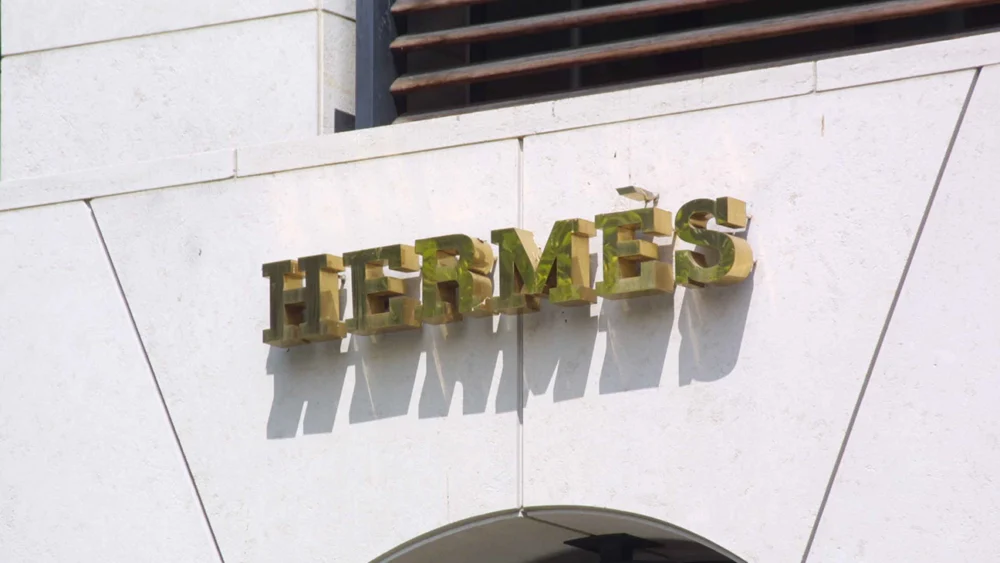
The mystery surrounding one of Rodeo Drive’s most significant real estate transactions in decades has been resolved, with French luxury powerhouse Hermès officially identified as the purchaser of two coveted adjoining properties. The iconic fashion house secured the prime Beverly Hills location for an unprecedented $400 million last summer, a deal that signals a robust confidence in the future of high-end physical retail and cements Rodeo Drive’s status as a global luxury destination. This landmark acquisition underscores the strategic importance major brands place on owning their storefronts in premier retail corridors.
The Landmark Rodeo Drive Acquisition
The high-profile sale, which concluded in the summer, had been reported at the time for its staggering price tag, yet the buyer’s identity remained a closely guarded secret. Industry insiders and real estate observers speculated for months, recognizing the immense value and strategic implications of such a substantial investment on a street synonymous with opulence. Hermès’s confirmation as the buyer highlights a growing trend among ultra-luxury brands to invest directly in prime commercial real estate, gaining greater control over their brand experience and securing long-term footholds in critical markets.
According to data compiled by real estate firm CBRE, this transaction represents the most expensive real estate acquisition in Beverly Hills since the early 2000s, setting a new benchmark for commercial property values in the upscale shopping district. The properties, located at 338 North Rodeo Drive, encompass approximately 25,000 square feet of retail space and previously housed storefronts for other prestigious labels including Tom Ford, Moncler, and Balenciaga. The sheer scale and cost of the acquisition underscore the intense competition for prime locations on Rodeo Drive, where space is exceedingly scarce and highly sought after by the world’s leading luxury brands.
Rodeo Drive: A Global Epicenter of Luxury
Rodeo Drive, stretching across three blocks in Beverly Hills, California, is globally recognized as one of the most exclusive shopping streets. Its tree-lined avenues and architectural grandeur have long attracted affluent shoppers, celebrities, and tourists from around the world. The street is home to flagship stores of nearly every major luxury brand, offering an unparalleled concentration of high fashion, exquisite jewelry, and bespoke services. This environment fosters an ecosystem where brand presence is not just about sales, but about prestige, visibility, and an immersive brand experience.
The allure of Rodeo Drive extends beyond retail, permeating popular culture. It has served as an iconic backdrop for numerous Hollywood films and television shows, cementing its image as a symbol of aspiration and glamour. From the transformative shopping spree in Pretty Woman to the comedic chases in Beverly Hills Cop and the quintessential teenage fashion statements in Clueless, Rodeo Drive has been immortalized on screen, further enhancing its legendary status. This cultural resonance adds an intangible yet significant layer of value to any property situated along its famed stretch.
Strategic Investment in Prime Real Estate
Hermès’s $400 million investment is more than a simple property purchase; it is a strategic maneuver reflecting a long-term vision for the brand’s presence in the critical Los Angeles market. Luxury brands increasingly view their flagship stores not merely as points of sale but as monumental brand statements, immersive experiential hubs, and tangible assets that appreciate in value. Owning the real estate grants them complete autonomy over architectural design, store layout, and client experience, allowing for the creation of unique, brand-specific environments that cannot be replicated in leased spaces.
Jay Luchs, a vice chairman at Newmark who brokered the deal, articulated this trend to the Wall Street Journal, noting, "What you see now on Rodeo Drive is not only a commitment by the luxury brands that are able to buy their real estate, but you’re seeing the buildings get much bigger." This insight points to a future where luxury retail spaces evolve into sprawling, multi-story brand palaces, offering expanded product categories, private client services, and exclusive events that deepen customer engagement. For Hermès, a brand synonymous with heritage, craftsmanship, and exclusivity, controlling its physical footprint on Rodeo Drive aligns perfectly with its brand ethos.
The Future of Hermès on Rodeo Drive
While the acquisition is complete, shoppers should not expect immediate changes. Current tenants, including those previously occupying the acquired storefronts, hold leases that will remain in place for several more years. This waiting period suggests that Hermès is planning a meticulous and potentially extensive renovation or redevelopment of the site, a common practice for luxury brands looking to create bespoke flagship experiences. Hermès already operates a store a few storefronts away on Rodeo Drive, raising questions about how the new, much larger property will integrate into or redefine its existing presence.
The approximately 25,000 square feet of acquired space offers Hermès unprecedented opportunities for expansion and innovation. The brand could envision a grand multi-level flagship store, potentially incorporating dedicated areas for its diverse product lines, from iconic Birkin and Kelly bags to ready-to-wear, homeware, equestrian goods, and fragrances. Such a large footprint could also facilitate the introduction of exclusive client services, private shopping suites, or even a cultural space, creating an immersive brand universe that goes beyond traditional retail. This commitment to physical expansion contrasts with general retail trends that often emphasize e-commerce, demonstrating the unique resilience and strategic importance of ultra-luxury brick-and-mortar locations.
Broader Implications for Luxury Retail
This Hermès deal resonates across the global luxury retail landscape, highlighting several key trends. Firstly, it underscores the enduring power of prime physical locations as critical assets for brand building and customer engagement in the ultra-luxury segment. While e-commerce continues to grow, the desire for tangible, experiential shopping remains strong among high-net-worth consumers. Flagship stores on streets like Rodeo Drive serve as powerful marketing tools and physical manifestations of brand identity.
Secondly, the escalating prices for such properties reflect a broader competition among luxury conglomerates and independent houses for strategic control over key global retail hubs. Brands like LVMH, Kering, and Chanel have also made significant real estate investments in major cities worldwide, including New York, Paris, and London. These acquisitions are not just about securing retail space but about asset diversification, long-term capital appreciation, and solidifying market dominance.
Finally, the trend towards larger, more elaborate stores, as noted by industry experts, suggests an evolution in the luxury shopping experience. These aren’t just stores; they are destinations. They offer not only products but also a sense of theater, discovery, and personalized service, catering to a clientele that values exclusivity and an elevated brand interaction. For Rodeo Drive, this implies a future of increasingly grand and architecturally significant retail palaces, further enhancing its reputation as a global shopping mecca.
Rodeo Drive’s Enduring Allure and Future
The Hermès acquisition is the latest in a series of significant movements on Rodeo Drive that reaffirm its vitality. In 2024, Michael Kors notably returned to the iconic street after a nearly four-year absence, underscoring its magnetic appeal. Michael Kors himself articulated the street’s importance to The Hollywood Reporter at the time, stating, "We have a lot of customers in the Los Angeles area, and when you are talking about glamour, luxury and sophistication, you automatically think Beverly Hills, and at the very center of that is Rodeo Drive." This sentiment encapsulates why brands are willing to invest hundreds of millions in securing a presence here.
The $400 million purchase by Hermès is more than just a transaction; it is a powerful declaration of intent. It signals a profound belief in the enduring value of physical luxury retail, the unparalleled prestige of Rodeo Drive, and Hermès’s long-term commitment to crafting an exceptional brand experience. As the luxury landscape continues to evolve, this landmark acquisition sets a new precedent for investment and strategy, solidifying Rodeo Drive’s position as a vibrant, dynamic, and indispensable global luxury destination for decades to come.