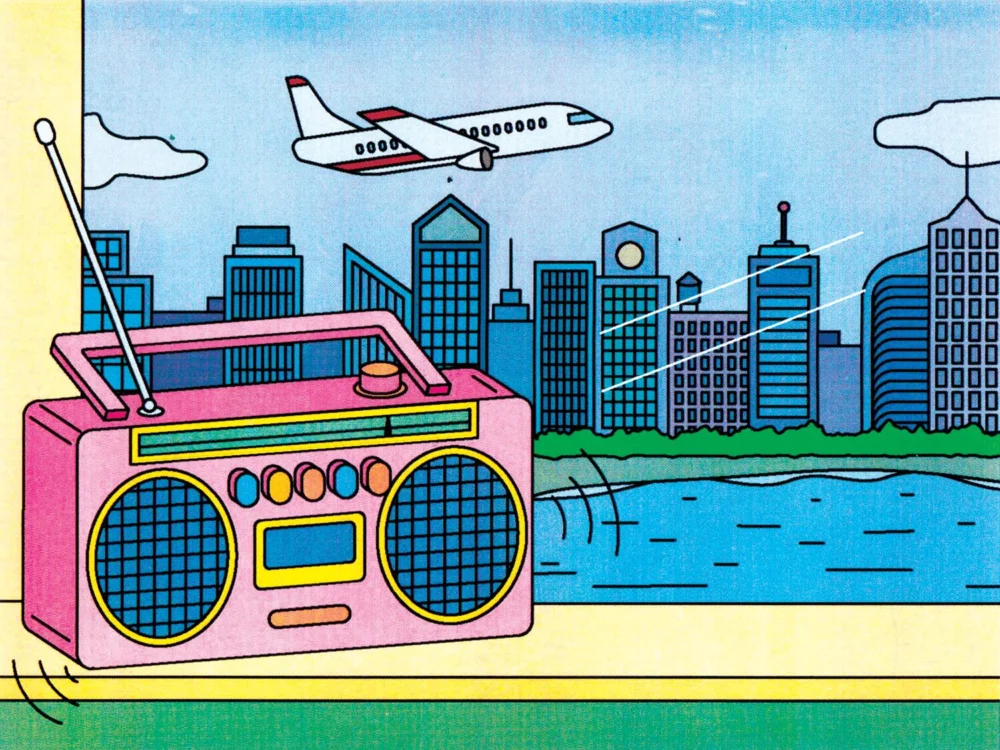
SYDNEY, Australia – The Australian music community is vociferously criticizing the newly registered Commercial Radio Code of Practice, branding it a "missed opportunity" and an outcome that has failed to adequately support domestic artists, with some likening the situation to a scene from "Jurassic Park" where opportunities are overlooked. Industry leaders argue the updated code, which took effect July 1, 2026, perpetuates loopholes that allow commercial radio stations to sidestep their obligations to play Australian music, thereby hindering the careers of homegrown talent.
The core of the dispute lies in the existing quota requiring commercial, contemporary music-led radio stations to broadcast a minimum of 25% domestic content. While this regulation has been in place, critics contend that its enforcement has been lax, with some broadcasters allegedly meeting the requirement by scheduling Australian music during overnight or off-peak hours when listener numbers are significantly lower. This practice, they argue, negates the intended benefit of promoting local artists to a wider audience and fails to capitalize on the growing global appetite for Australian music.
Loopholes in the Code Ignite Industry Backlash
The Australian Recording Industry Association (ARIA) and the Australasian Performing Right Association (APRA) AMCOS have both issued strong statements condemning the Australian Communications and Media Authority’s (ACMA) decision to register the new code without more substantial changes. Dean Ormston, CEO of APRA AMCOS, expressed his disappointment, stating the code "doesn’t reflect the opportunity that’s right in front of commercial radio right now." He urged stations to proactively embrace the current Australian music renaissance, rather than relying on a code he believes is insufficient.
Annabelle Herd, CEO of ARIA and the Phonographic Performance Company of Australia (PPCA), echoed this sentiment. "We are extremely disappointed that despite all the evidence put forward showing that these quotas aren’t working, the ACMA has not pursued any reasonable or practical changes," Herd commented. She highlighted that the current framework allows stations to technically meet their obligations while relegating Australian music to less-listened-to time slots. This, she explained, renders the quota largely symbolic and provides minimal tangible benefit to artists or the listeners it was meant to serve.
A Stagnant Policy in a Thriving Music Scene
The criticism comes at a time when Australian artists are experiencing significant international success. APRA AMCOS reported a record A$98.8 million (approximately $70 million USD) in international revenue for local songwriters and composers in the last financial year, marking a nearly 15% year-on-year increase and more than doubling the figure from 2019. This surge in global recognition underscores the potential for Australian music to thrive domestically.
Furthermore, research from Music Australia’s "Listening In" series, published in 2025, revealed a strong public desire for more Australian music. The study found that 71% of music-engaged Australians feel a sense of national pride when hearing local artists, and two-thirds wish to hear more of it. Crucially, a quarter of these engaged listeners still rely on radio as a primary source for discovering new music, making the radio airwaves a critical platform for artist development.
Despite this evidence of a burgeoning domestic music scene and public demand, many Australian artists find themselves competing against a tidal wave of major label signings from the United States and the United Kingdom within the current streaming landscape. This makes the role of terrestrial radio in supporting local talent even more vital.

ACMA’s Response and Industry Demands
The ACMA acknowledged that a significant number of submissions during the code review advocated for stronger rules regarding the broadcasting of Australian music. In response, the authority stated that changes were made to station categories to better align with contemporary broadcasting practices and music genres. The ACMA, along with Commercial Radio & Audio (CRA) and the commercial radio industry, has committed to working on compliance and addressing any initial challenges over the next year.
However, ARIA’s Herd expressed bewilderment at the ACMA’s decision to alter music genre categories without consulting the music industry. This lack of input, she argued, undermined the collaborative spirit needed to foster Australian music. Moreover, despite persistent lobbying from the music sector, the ACMA did not extend the review of local music quotas to digital radio services, a move that contradicts the spirit of Australia’s National Cultural Policy, "Revive."
"At a minimum, we are simply asking for Australian music to be played when Australians are listening," Herd stated. "That is a modest and reasonable expectation, and it is disappointing that the opportunity to deliver on it has been rejected by the ACMA."
Commercial Radio Australia Welcomes New Code with Different Priorities
Commercial Radio Australia (CRA) has welcomed the registration of the new code, highlighting what it terms "substantial enhancements" to existing community safeguards. Notably, the updated code introduces mandatory AI transparency for programs featuring synthetic voices, including news segments. Lizzie Young, CEO of CRA, emphasized the collaborative process behind the code’s development, stating it "reflects what matters most to the communities that commercial radio connects with every day." She affirmed CRA’s commitment to working with the ACMA as the code takes effect.
The registration of the code, effective from July 1, 2026, applies to all commercial radio broadcasting licensees. While CRA focuses on aspects like AI disclosure, the music industry remains concerned about the core issue of local content promotion.
The Road Ahead: Continued Advocacy for Australian Music
The music industry has vowed to continue its advocacy for Australian creatives, emphasizing the need for government intervention to address the perceived shortcomings in current radio policy. "It now falls to government to recognize this gap and examine the ways in which it can ensure Australians are hearing local music in their own country," Herd urged. She concluded, "Our artists carry Australian stories to the world; they deserve a framework at home that gives them a genuine foundation to build on."
The music industry’s fight for greater airplay and recognition on Australian commercial radio signals a broader debate about cultural policy, industry support, and the role of traditional media in the digital age. The outcome of this ongoing dialogue will be crucial for the sustained growth and visibility of Australian artists both domestically and on the global stage.