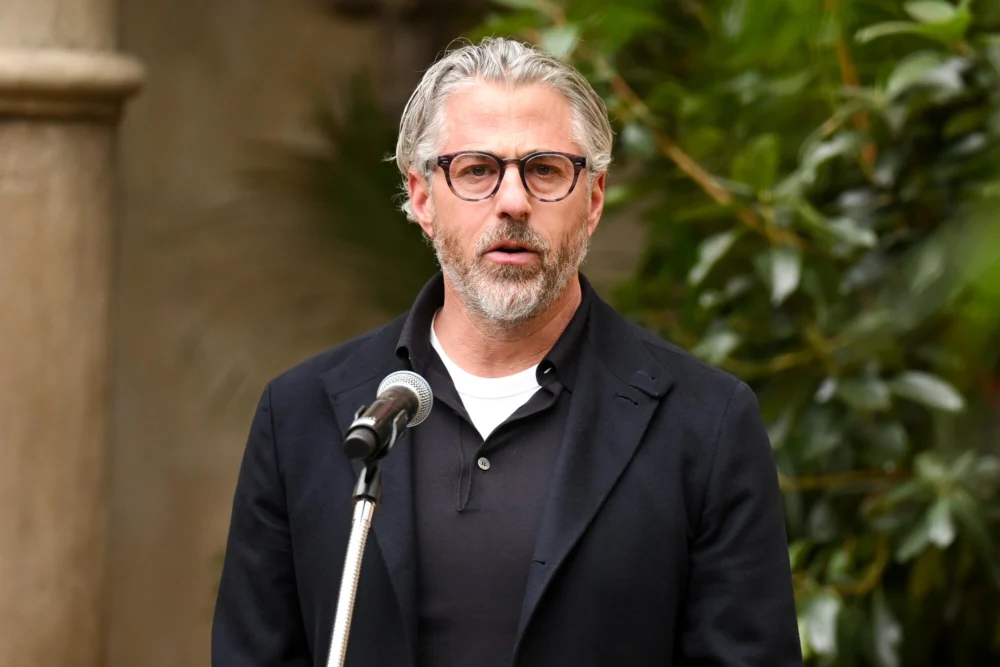
Casey Wasserman, a prominent figure in the entertainment and sports representation industry, is initiating the sale of his namesake agency, Wasserman, following significant fallout stemming from documents unsealed in the Jeffrey Epstein case. The decision was formally communicated to staff through an internal memo, signaling a pivotal moment for the influential agency.
The impetus for this drastic measure appears to be the intense scrutiny and professional repercussions Wasserman has faced after his name surfaced in newly released court documents connected to Epstein. Specifically, email exchanges between Wasserman and Ghislaine Maxwell, dating back to 2003, have cast a shadow over his professional standing and led to a crisis within his agency.
Agency on the Market Amidst Growing Controversy
The Wall Street Journal was the first to report on Wasserman’s decision to put the agency up for sale. This move comes after a period of mounting pressure, marked by client departures and internal discussions about the future of the company. Wasserman’s memo to employees explicitly stated his belief that he had become a "distraction" to the agency’s operations and its clients.
"At this moment, I believe that I have become a distraction to those efforts," Wasserman wrote in the internal communication obtained by The Wall Street Journal. "That is why I have begun the process of selling the company, an effort that is already underway." This candid admission underscores the gravity of the situation and the personal toll it has taken.
Wasserman’s Past Ties and Public Apology
The controversy centers on Wasserman’s past interactions with Ghislaine Maxwell, who was convicted for her role in sex trafficking. Wasserman has consistently maintained that his involvement was limited and predated her criminal conduct becoming public knowledge. He has described his contact as consisting of "one humanitarian trip to Africa and a handful of emails that I deeply regret sending."
In his memo to staff, Wasserman offered a direct apology for the discomfort and hardship his past associations have caused. "First and foremost, I want to apologize to you," he stated. "I’m deeply sorry that my past personal mistakes have caused you so much discomfort. It’s not fair to you, and it’s not fair to the clients and partners we represent so vigorously and care so deeply about." He further expressed his heartbreak that his brief contact 23 years ago has resulted in such significant distress.

Wasserman also clarified that he has never had a personal or business relationship with Jeffrey Epstein himself. He acknowledged taking a humanitarian trip with the Clinton Foundation in 2002 on Epstein’s plane, an association he now deeply regrets.
Client Departures and Industry Impact
The fallout from the Epstein documents has had a tangible and immediate impact on Wasserman’s agency. A significant number of high-profile music and sports clients have either already departed or have signaled their intention to leave. This exodus reflects a broader industry sentiment that clients are unwilling to be associated with individuals facing such serious allegations and scrutiny.
Notable music artists such as Chappell Roan, Orville Peck, and Sylvan Esso have reportedly exited the agency. Bethany Cosentino of the band Best Coast publicly stated her decision to leave via Instagram, writing, "I did not consent to having my name or my career tied to someone with this kind of association to exploitation." This sentiment highlights the ethical considerations and reputational risks that artists and athletes are now weighing.
The pressure is not only from clients but also from within the agency itself. Reports indicate that agents are exploring various scenarios, including buyouts and spin-offs, as a means to preserve client relationships and safeguard their own professional futures. The internal dynamics of the agency are clearly under considerable strain.
Leadership Transition and Future Outlook
During this transition period, Wasserman announced that Mike Watts, the current president of Wasserman, will assume day-to-day control of the business. This arrangement allows Wasserman to focus on his other significant role as the head of the Los Angeles 2028 Olympic and Paralympic Games organizing committee. His commitment to the upcoming Games remains a key priority.
The sale of the agency represents a profound shift for a company that has established itself as a major force in talent representation across multiple sectors. Wasserman has built a reputation for securing high-profile deals and managing the careers of some of the biggest names in entertainment and sports. The agency’s portfolio includes athletes, musicians, actors, and other cultural influencers.
Broader Implications for the Representation Business
The situation surrounding Casey Wasserman and his agency serves as a stark reminder of the interconnectedness of personal conduct and professional reputation in the modern entertainment and sports landscape. The rapid dissemination of information, amplified by social media and investigative journalism, means that past associations can have immediate and severe consequences.

This event also raises questions about due diligence and the vetting processes employed by talent agencies and their clients. As the industry navigates this evolving landscape, there will likely be increased emphasis on transparency and ethical standards. The departure of clients and the potential sale of the agency could also lead to a ripple effect, influencing how other agencies operate and how talent makes decisions about representation.
The unsealing of documents in high-profile legal cases has repeatedly proven to have far-reaching consequences, extending beyond the immediate parties involved. In this instance, the repercussions have directly impacted a major talent agency and its extensive roster of clients, forcing a significant reevaluation of its future.
Wasserman’s Role in the Olympics
While Wasserman steps back from the day-to-day operations of his agency, his leadership role with the Los Angeles 2028 Olympic and Paralympic Games organizing committee remains a significant undertaking. This position involves overseeing the planning and execution of one of the world’s largest sporting events. The controversy surrounding his personal history could potentially create challenges for the organizing committee, though his focus has been stated as remaining on his Olympic duties.
The success of the Olympics depends on broad public support and the confidence of international stakeholders. Any lingering questions or negative perceptions associated with key figures can pose a risk to the event’s image and logistical execution. Wasserman’s ability to navigate these challenges while simultaneously managing the sale of his agency will be closely watched.
The agency’s future under new ownership will be a critical development to monitor. Whether the buyer will maintain the Wasserman brand, its structure, and its existing client base remains to be seen. The sale process itself is likely to be complex, involving negotiations over valuation, assets, and future liabilities. The industry will be keen to observe how this significant transaction unfolds and what it signifies for the broader talent representation sector.
As the sale process progresses, the focus will remain on the impact on Wasserman’s employees, its remaining clients, and the wider industry. The decision to sell is a direct response to the escalating fallout, signaling a definitive effort to separate Wasserman’s personal entanglements from the future of the business he built.