Clashing narratives from Tehran and Washington underscore a period of heightened international tension as Iranian diaspora communities organize global rallies demanding accountability for the thousands killed during recent nationwide protests. The diplomatic friction intensifies amid reports of potential mediated talks, with the United States pressing for curbs on Iran’s missile program and an end to nuclear enrichment, demands Tehran consistently rejects.
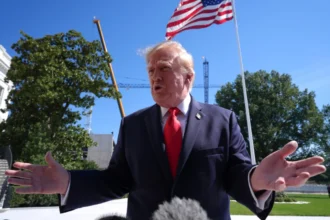
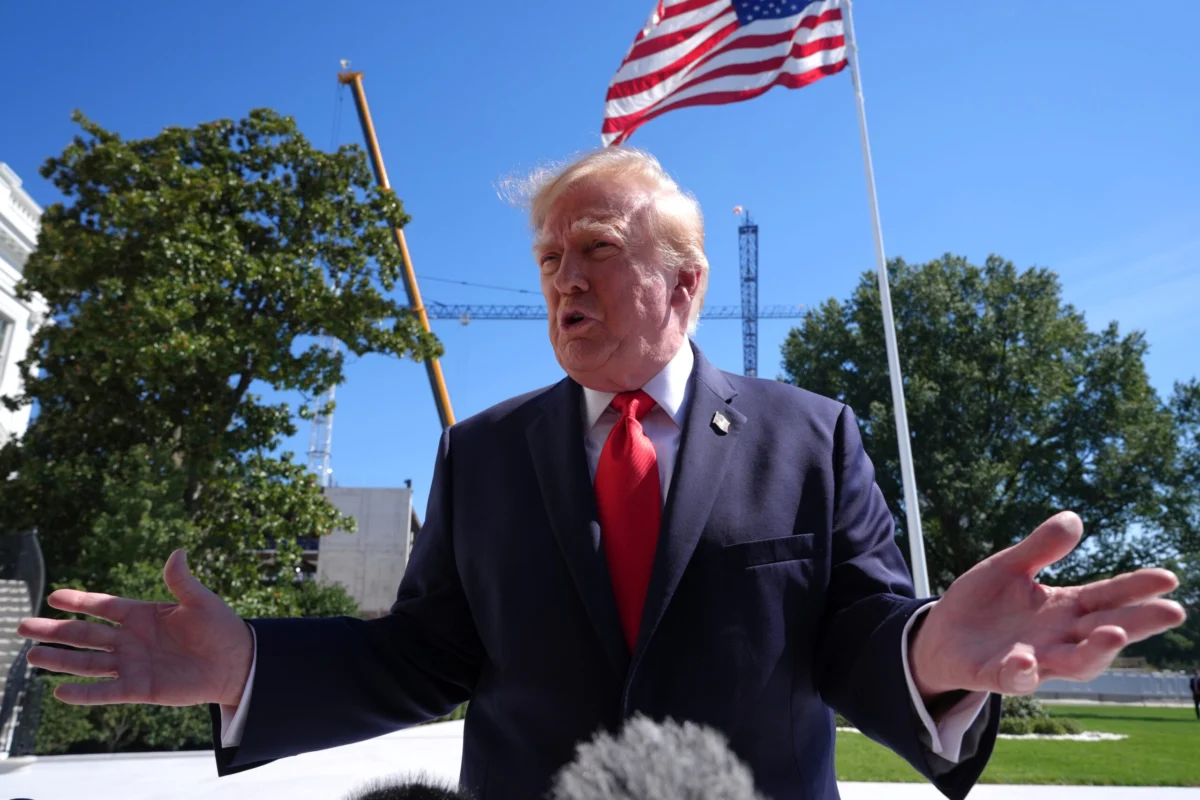
The United States has signaled a robust military posture in the region, with President Donald Trump announcing the deployment of a second aircraft carrier to the Middle East. Trump also publicly stated that "regime change" in Iran would be the "best thing that could happen," a remark met with strong condemnation from Iranian officials.
Iranian President Masoud Pezeshkian, speaking at a conference in Tehran focused on regional investment for railroad projects, expressed gratitude to leaders from Azerbaijan, Turkiye, Qatar, Oman, and Saudi Arabia for their mediation efforts aimed at averting a potential U.S. military strike. He emphasized Iran’s capacity to resolve its internal issues peacefully without external intervention, warning that any conflict would have far-reaching consequences for the entire Middle East.
Global Rallies Demand Change in Iran
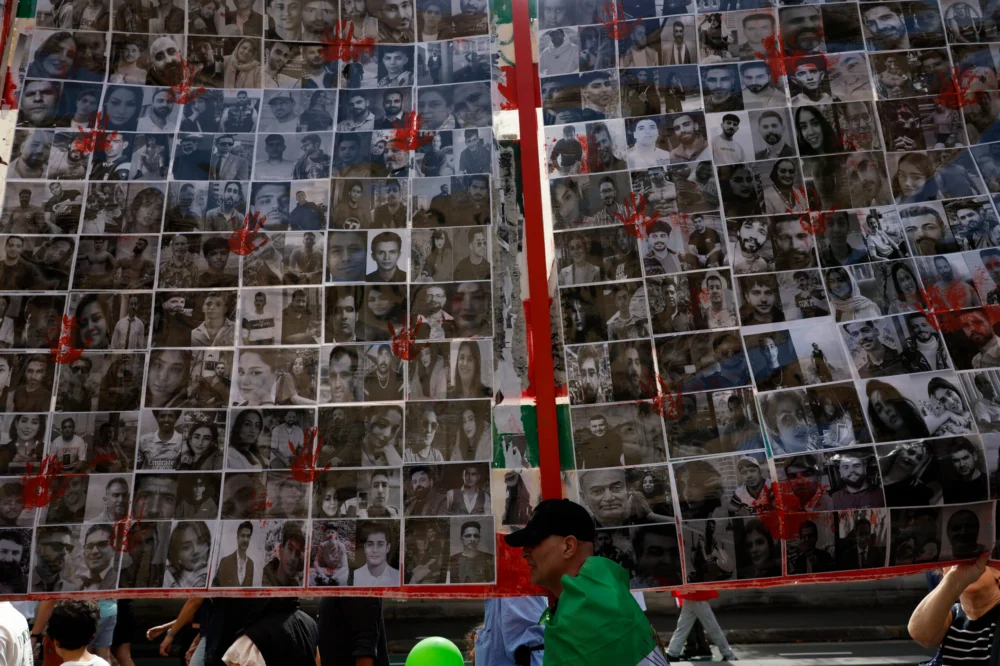
Across the globe, Iranian expatriates united in their opposition to the clerical establishment that has governed Iran since the 1979 revolution. On Saturday, major rallies were held in key international cities, with participants calling for an end to religious rule and an accounting for the lives lost in recent crackdowns.
Reza Pahlavi, the son of Iran’s last Shah, spearheaded a "global day of action" urging Iranians abroad to reclaim their country from the Islamic Republic. Pahlavi also addressed the Munich Security Conference in Germany, where he engaged with world leaders, including Ukrainian President Volodymyr Zelenskyy and U.S. Senator Lindsey Graham, amplifying calls for democratic change within Iran.
Munich, Los Angeles, and Toronto emerged as focal points for the demonstrations, with significant gatherings also taking place in Australian cities like Sydney and Melbourne. A similar rally in Toronto the previous month drew an estimated 150,000 participants, with local police reporting no incidents. Advance registrations for the Munich rally indicated an attendance of approximately 100,000.
These demonstrations represent some of the largest-ever mobilizations by the Iranian diaspora, echoing the widespread solidarity protests that followed the deadly nationwide unrest of 2022-2023. That wave of protests was ignited by the death of 22-year-old Mahsa Amini, who died in the custody of the morality police for allegedly violating the strict dress code for women.
The recent diaspora actions occurred just days after official state-sponsored demonstrations in Iran marked the 47th anniversary of the 1979 revolution, featuring the burning of Israeli and U.S. flags. This stark contrast highlights the deep divisions between the ruling establishment and a significant segment of the Iranian population, both domestically and abroad.
The father of Mahsa Amini shared a poignant message on social media, questioning the authorities’ selective application of religious and moral codes. He pointed out the apparent contradiction of women appearing in state media with uncovered hair and unconventional attire during official ceremonies, while his daughter faced fatal consequences for minor perceived infractions.
Families Mourn and Seek Justice
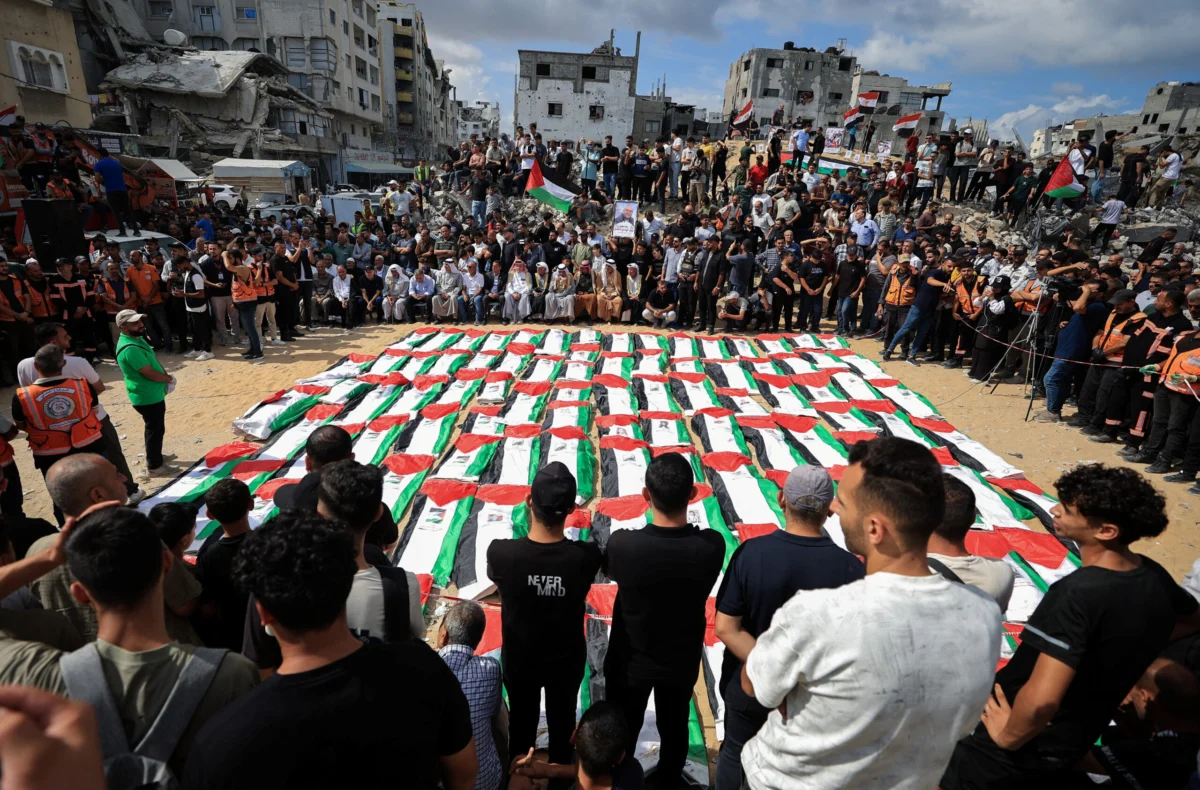
In Iran, families continue to share poignant tributes online, commemorating loved ones who perished during the recent protests. From the southern province of Fars to central Arak and Mashhad in the northeast, the grief is palpable.
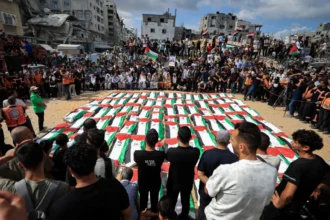
Behesht-e Zahra, Tehran’s largest cemetery, saw large gatherings on Friday as families observed "chehelom," the traditional 40-day mourning period for the deceased. These ceremonies, often marked by somber clapping, music, and the defiant "victory" sign, served as powerful expressions of pride and resilience in the face of profound loss.
Among those remembered were Ayda Heydari, a 21-year-old medical student, and Zahra "Raha" Behloulipour, a Tehran University student. Both were tragically killed by live ammunition in separate incidents. State media outlet Mehr News Agency reported Heydari as a "victim of Mossad agents in recent riots," a claim her mother refuted, stating her daughter was not a "munafiq," a derogatory term used by the Islamic Republic for dissidents.
In a notable statement, Mohammad-Hossein Omid, head of Tehran University, acknowledged that "most" participants in the nationwide demonstrations were "protesters, not terrorists," a rare admission from an official source that contrasts with the government’s official narrative.
Mounting Concerns for Detainees
The Iranian judiciary confirmed on Saturday that some senior reformist politicians arrested last week for criticizing the government have been released on bail. However, others remain in detention to face existing charges, raising ongoing concerns about political freedoms and due process.
Vahid Shalchi, a deputy science minister, indicated that a "considerable" number of arrested students are expected to be released soon, though precise figures on detentions remain undisclosed. Tens of thousands of individuals are estimated to have been arrested since the protests began, with human rights organizations warning that some face the imminent threat of execution.
Amnesty International reported that 18-year-old wrestling champion Saleh Mohammadi has been sentenced to public execution in Qom after allegedly being coerced into confessing involvement in the death of a security agent. Mai Sato, the UN Special Rapporteur on Iran, who previously estimated over 20,000 civilian casualties during the demonstrations, stated that three other individuals are facing execution. Sato emphasized that the current situation reflects a continuation of patterns of repression documented in previous cases, now being replicated on a mass scale.
The precise casualty toll from the recent demonstrations remains unclear due to severe internet restrictions and limited information flow within Iran. This ongoing information blackout hampers independent verification and exacerbates international concern for those detained and the broader human rights situation in the country.
Diplomatic and Security Tensions Escalate
The international community is closely watching the diplomatic maneuvering between Iran and the United States, as well as the internal pressures building within Iran. The diaspora rallies serve as a potent symbol of global opposition to the current Iranian regime and amplify calls for international intervention and support for democratic aspirations.
The U.S. military’s increased presence in the Middle East, coupled with President Trump’s rhetoric, fuels anxieties about potential escalation. Meanwhile, Iran’s persistent refusal to yield to demands regarding its nuclear program and missile capabilities creates a volatile geopolitical landscape.
The situation highlights the complex interplay of internal dissent, regional security concerns, and international diplomacy. The ongoing protests and the government’s response, along with the diaspora’s organized efforts, paint a picture of a nation grappling with profound internal challenges and facing intense external scrutiny. The coming days and weeks are likely to be critical in shaping the trajectory of these intertwined tensions.