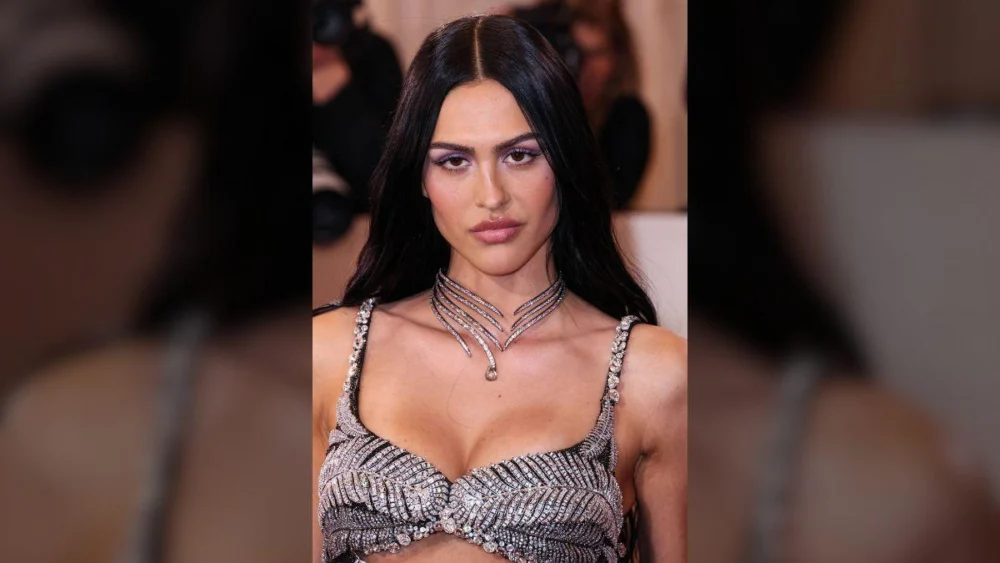
Amelia Gray Hamlin, the prominent model and reality television personality, has openly detailed her extensive cosmetic surgery journey, including procedures ranging from rhinoplasty and a medically necessitated breast reduction to a regretted breast augmentation and subsequent reconstructive surgery. In a recent candid interview, Hamlin also addressed persistent fan speculation about her appearance, specifically denying the use of lip fillers, and shared profound insights into her past struggles with an eating disorder. Her revelations offer a stark look at the pressures of body image within the entertainment industry and the complex realities of cosmetic interventions.
Backgrounding Amelia Gray Hamlin’s Public Persona
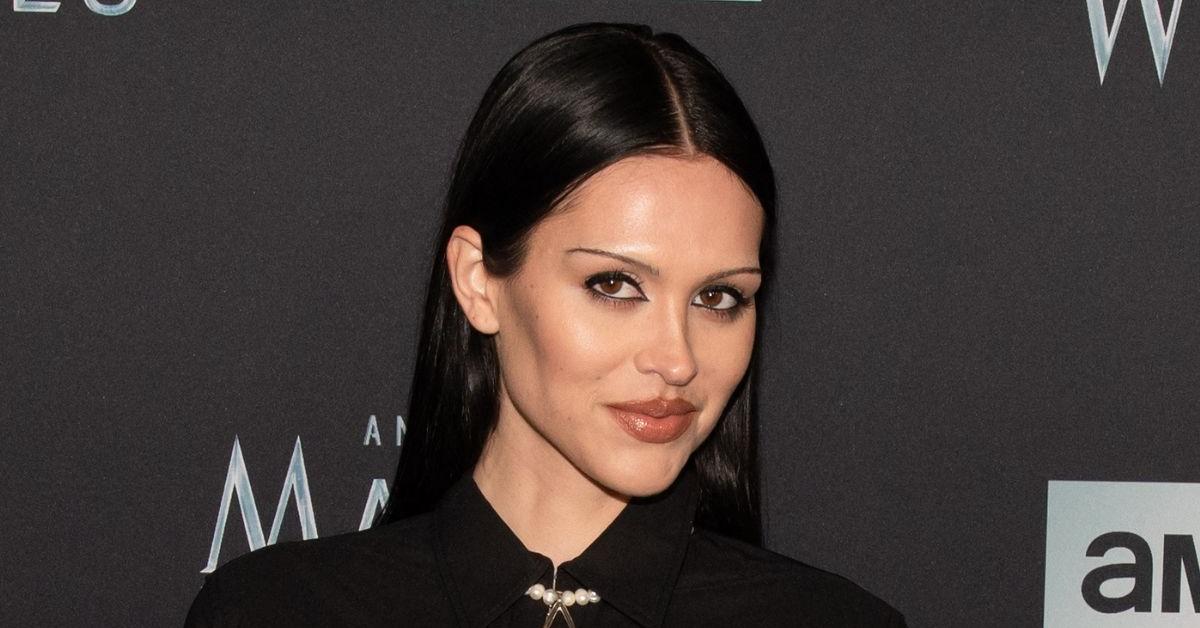
Born into a famous Hollywood family as the daughter of actors Lisa Rinna and Harry Hamlin, Amelia Gray Hamlin has been in the public eye from a young age. Her career as a model, coupled with her presence on reality television, has subjected her to intense scrutiny regarding her physical appearance. In an industry that often prizes perfection and youth, celebrities like Hamlin frequently navigate a delicate balance between public perception and personal well-being. This environment has historically fostered a culture of secrecy around cosmetic enhancements, making Hamlin’s recent transparency a notable departure from traditional celebrity narratives. Her openness contributes to a growing movement among public figures to demystify cosmetic procedures and discuss their personal experiences, both positive and challenging.
Addressing Speculation: Lips and Rhinoplasty
Hamlin directly confronted long-standing rumors about her lips, asserting, "I’ve always had these lips." She firmly denied ever using fillers to enhance their size or shape, a common assumption among fans who observed changes in her appearance over time. Instead, Hamlin disclosed that she currently undergoes SkinVive, a moisturizer injection designed to improve skin hydration and smoothness, which she implied could contribute to a fuller, healthier look without altering natural lip volume. This distinction is crucial in a social media landscape where lip augmentation is widespread, and celebrity appearances are often dissected. Beyond her lips, Hamlin also confirmed having undergone rhinoplasty, a plastic surgery procedure to reshape her nose. While she has been less vocal about the specifics of this particular surgery, her acknowledgment of it aligns with her overall commitment to transparency regarding her cosmetic surgery journey.
A Medically Necessary Breast Reduction
One of the most significant revelations from Hamlin’s interview involved a medically necessary breast reduction she underwent as a teenager. At just 16 years old, Hamlin faced a severe health crisis stemming from a nipple piercing. She developed mastitis, an inflammation of breast tissue that can lead to infection, which in her case, escalated to a point where she was at risk of sepsis. Sepsis is a life-threatening condition caused by the body’s overwhelming response to an infection, which can lead to tissue damage, organ failure, and death.
Recalling the harrowing experience, Hamlin shared, "I was 16 and had mastitis, whatever the heck that is," highlighting the painful and alarming nature of the ordeal. The medical necessity of the breast reduction underscored the severity of her condition, turning what might typically be considered an elective cosmetic procedure into a critical intervention to protect her health. This candid account sheds light on the unforeseen complications that can arise, even from seemingly minor aesthetic choices like body piercings, and the drastic measures sometimes required to mitigate them.

The Regretted Breast Augmentation and Severe Complications
Following her medically necessary breast reduction, Hamlin made the decision to undergo breast augmentation. However, this subsequent procedure led to profound regret and serious medical complications. Hamlin described waking up from the surgery feeling that she had been altered in a way she "didn’t agree to," suggesting a disconnect between her expectations and the outcome, or perhaps issues with the surgical process itself. This experience left her with significant emotional and physical distress.
The physical ramifications of the augmentation proved severe. Hamlin revealed, "My breast literally could not handle what were put in me," emphasizing the extent to which her body reacted negatively to the implants. This critical complication necessitated an arduous 14-hour reconstructive surgery to address the damage and correct the issues caused by the augmentation. Her detailed account serves as a stark warning about the potential risks and irreversible consequences associated with cosmetic procedures, particularly when they go awry, and the immense physical and psychological toll they can take on an individual.
Battling an Eating Disorder: A Family Intervention
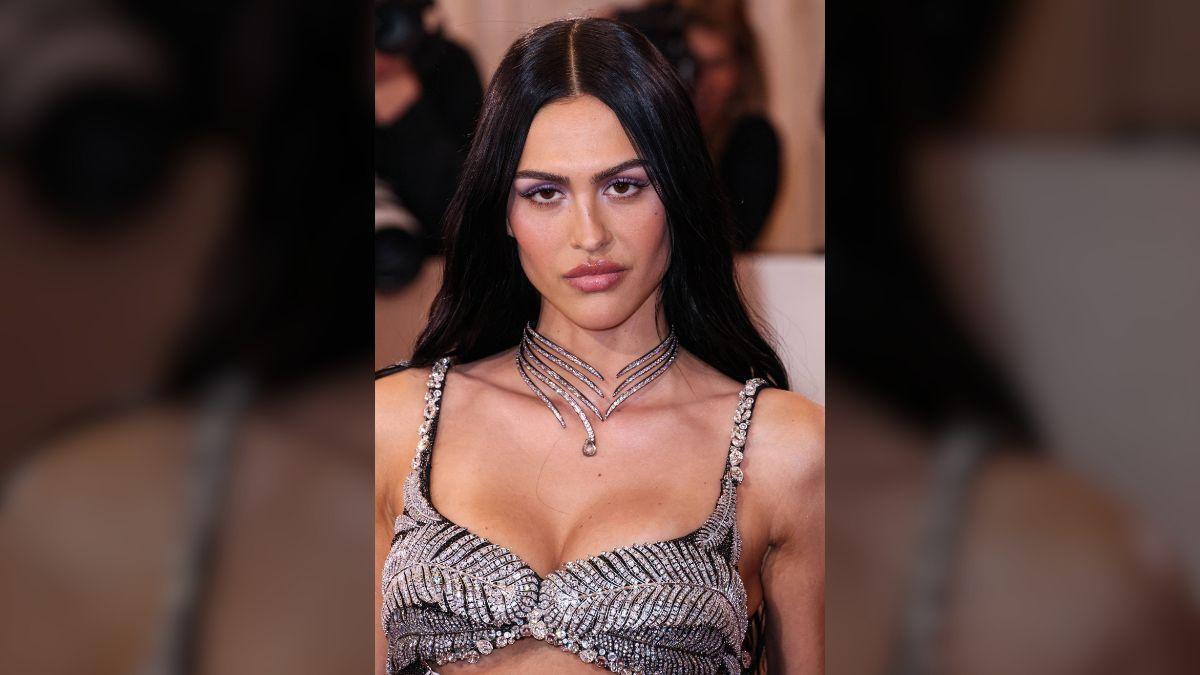
Beyond her physical cosmetic surgery journey, Hamlin also bravely spoke about her harrowing struggle with an eating disorder, a battle that prompted a critical family intervention. She recounted a pivotal morning when her parents, Lisa Rinna and Harry Hamlin, and her sister, Delilah Belle Hamlin, intervened to get her professional help. "I woke up one morning at my best friend’s house. My parents, my sister, they’re all outside, like waiting to pick me up," she recalled during an episode of the "Skinny Confidential" podcast. "They’re like, ‘Get in the car. We’re going to UCLA [to get treatment].’"
At UCLA, Hamlin received a stark and life-altering warning from a staff member about the severity of her condition. "He looked at me and he was like, ‘At this rate, in about four months, you’re going to be 45 pounds and you’re going to be dead,’" she recounted. This direct and unfiltered assessment served as a powerful "wake-up call," compelling her to reassess her approach to health, self-image, and survival. Her account underscores the critical importance of mental health support and the profound impact of family and professional intervention in overcoming life-threatening conditions like eating disorders.

Navigating Body Image and Self-Acceptance
Hamlin’s multifaceted journey, encompassing plastic surgery complications, medical crises, and a severe eating disorder, culminates in a powerful message of self-acceptance. Her experiences highlight the immense pressures placed on young women, particularly those in the public eye, to conform to often unattainable beauty standards. She shared a profound conclusion she reached through her struggles: "You don’t need to be skinny to live your best life. It’s either be skinny and die or happy and be who you are." This statement encapsulates her hard-won understanding that genuine well-being transcends superficial appearances and societal expectations.
Her story resonates deeply with countless individuals facing similar challenges, offering a voice to those who struggle with body image and mental health. Hamlin’s willingness to share her vulnerabilities provides a valuable perspective on the often-glamorized world of celebrity and beauty, revealing the hidden struggles beneath the surface. Her candor contributes to a broader cultural conversation about authenticity, self-love, and the often-detrimental pursuit of perceived perfection.
Newfound Confidence and Public Impact
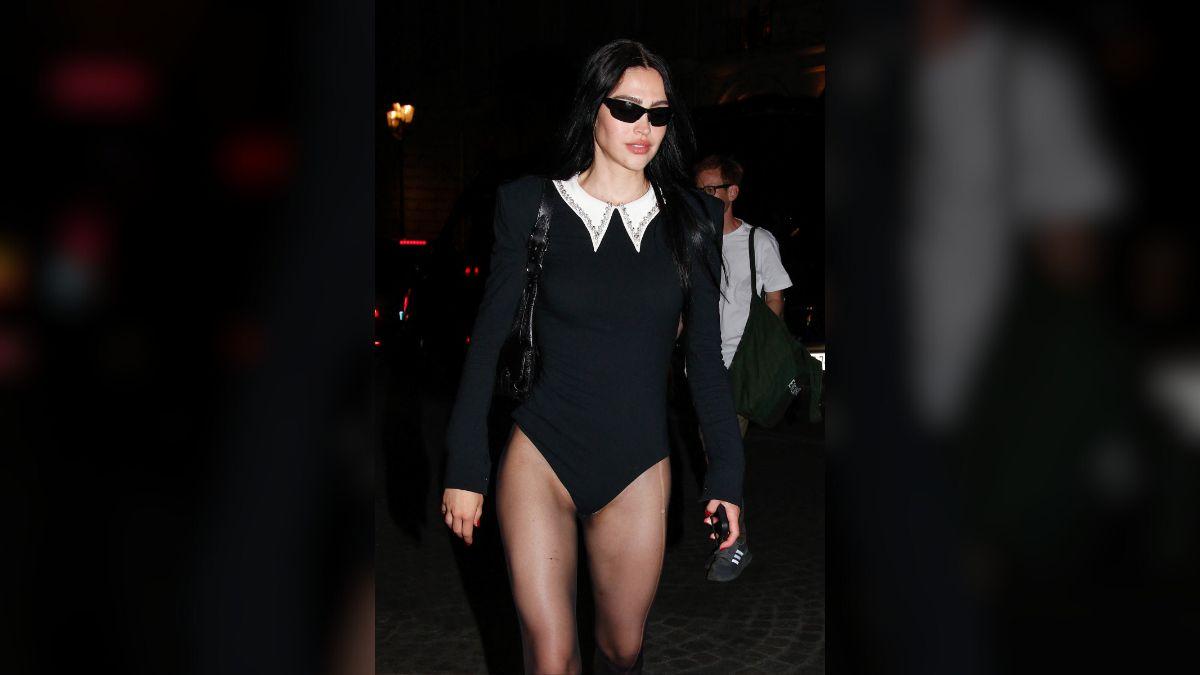
Today, Amelia Gray Hamlin projects a newfound confidence, visibly embracing her body and personal style. She is frequently photographed in daring outfits, signaling a comfortable and empowered approach to her public image. Recent sightings include her showcasing her figure in low-rise, see-through pants in Los Angeles and donning a stunning crystal-covered sheer dress at a high-profile Swarovski event. These public appearances are not just fashion statements; they symbolize her journey towards self-acceptance and her defiance of conventional beauty norms.
Hamlin’s openness about her cosmetic surgery journey and her battle with an eating disorder holds significant implications for the public discourse surrounding celebrity transparency, mental health, and the realities of cosmetic procedures. By sharing her story, she contributes to demystifying these topics and encourages a more honest conversation about the complexities of body modification and the psychological toll of societal pressures. Her advocacy for self-acceptance, rooted in her own arduous experiences, serves as an influential message for her followers and the wider public, challenging them to prioritize health and happiness over an elusive ideal.