The Metropolitan Police Service has launched a sophisticated tactical offensive involving high-speed electric motorcycles and aerial surveillance to combat a surge in organized smartphone robberies orchestrated through social media. Law enforcement officials revealed that criminal syndicates are increasingly leveraging platforms like Snapchat to recruit children as young as 15, offering cash bounties for specific high-end devices before the students even begin their school day. This shift toward "crime-as-a-service" models has prompted a radical restructuring of London’s robbery response units, shifting the focus toward intercepting young couriers and the "handlers" who manage the illicit supply chain.
London currently holds the distinction of being the most targeted region in the United Kingdom for mobile device theft, a trend that has drawn sharp criticism regarding the efficacy of urban policing. While the Metropolitan Police reported a 12% decrease in total phone thefts over the last year—bringing the annual figure down to approximately 71,000 incidents—the sheer volume remains a primary concern for public safety. Commissioner Mark Rowley has emphasized that while police tactics are evolving, the long-term solution rests with global technology manufacturers, specifically Apple, to render stolen hardware useless in international secondary markets.
Organized Recruitment via Snapchat and Social Media
The mechanics of these robberies have evolved from opportunistic snatch-and-grabs to highly organized operations with standardized "price menus." Police intelligence suggests that gang leaders post flyers on Snapchat detailing the exact payout for various smartphone models. For example, a stolen iPhone 16 Pro Max can net a teenage thief up to £380 ($480), while older models like the iPhone 12 might only fetch £20. These digital flyers serve as a direct recruitment tool, enticing adolescents with the promise of quick cash and "bulk bonuses" of an additional £100 for those who deliver 10 or more devices in a single drop-off.
This systematic exploitation of minors creates a difficult environment for law enforcement. In many instances, teenagers are instructed to target commuters at major transportation hubs, such as Victoria or Waterloo stations, during the early morning rush. These "school-run" robberies allow the suspects to blend in with student populations shortly after the crimes are committed. The use of bicycles and electric scooters allows these young offenders to navigate narrow alleys and pedestrian zones, often outrunning traditional patrol vehicles.
Met Deploys Drones and Ebikes to Help Catch Adolescent Phone Thieves
To counter the agility of these young suspects, the Metropolitan Police have integrated specialized Surron electric bikes into their pursuit fleets. These high-performance ebikes allow officers to match the speed and maneuverability of suspects in congested urban environments. Unlike traditional motorcycles, these ebikes are nearly silent and can traverse parks, sidewalks, and staircases, neutralizing the tactical advantages previously held by the thieves.

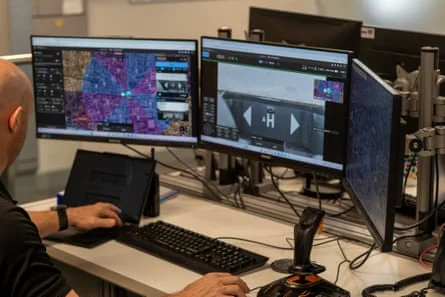
Complementing the ground-level pursuit is an increased reliance on unmanned aerial vehicles (UAVs). By deploying drones over high-risk areas like the West End and Covent Garden, the Met can maintain a constant visual on fleeing suspects without the risks associated with high-speed ground chases in crowded tourist districts. These drones feed real-time telemetry and high-definition video to command centers, allowing dispatchers to coordinate "box-in" maneuvers with ground units. This "eye in the sky" approach is particularly effective in tracking suspects who attempt to discard evidence or change clothing to evade identification.
The Global Pipeline and the Apple Reactivation Issue
A significant portion of the Met’s frustration is directed toward the ease with which certain devices can be wiped and resold. According to police data, iPhones are the primary target because they are perceived as easier to reactivate and resell in international markets, specifically in China and the Gulf states. Conversely, Samsung devices are often less desirable to thieves because their security protocols make them significantly harder to repurpose once reported stolen.
Commissioner Rowley has been vocal in his demand that tech giants take greater responsibility for the "theft economy" their products have inadvertently created. The Met argues that if manufacturers implemented hardware-level locks that could not be bypassed even by sophisticated international refurbishers, the incentive for street-level theft would evaporate. "Policing alone cannot solve this problem," Rowley stated, noting that the ease of shipping stolen goods overseas remains a major hurdle. The current system allows a phone stolen in London at 9:00 a.m. to be disassembled or reset for sale in a foreign market within 48 hours.
Judicial Challenges and the "Bail Loop" Phenomenon
The technological arms race is only one facet of the crisis; the Metropolitan Police are also grappling with a judicial system that they claim is failing to deter repeat offenders. Rowley has publicly criticized the courts for the frequent bailing of adolescent suspects who are often caught red-handed. In one documented case, a group of 12 youths was arrested and charged with a string of phone robberies. Despite the evidence, several were released on bail the following day. Within 24 hours of their release, police identified the same individuals as suspects in a new wave of thefts.
This "revolving door" at the courts undermines police morale and public confidence. Law enforcement officials are calling for stricter bail conditions and faster processing for "prolific" offenders. The Met argues that without significant judicial reform, the cycle of recruitment and theft will continue, as gang leaders view the legal consequences for their young recruits as a minor cost of doing business. The strategy of using minors is a deliberate tactic by gangs to exploit the more lenient sentencing guidelines typically applied to juveniles in the British legal system.
Financial Investment and the New Command Center
In response to the persistent threat, London Mayor Sadiq Khan has announced a £4.5 million ($5.7 million) investment to establish a dedicated police command cell. This unit will focus exclusively on dismantling the high-level infrastructure of phone theft gangs. While street-level arrests are necessary for public order, the new command center aims to identify the "handlers" and the logistics experts who facilitate the export of stolen devices.

Mayor Khan emphasized that phone theft is not a victimless crime, noting the profound personal impact on residents. "Far too many Londoners have been the victim of phone theft," Khan said, highlighting the loss of irreplaceable personal data, photographs, and sensitive financial information. The new funding will also bolster the use of live facial recognition technology, which has already proven instrumental in identifying known offenders in crowded shopping districts. By cross-referencing real-time camera feeds with databases of wanted individuals, the Met hopes to intercept thieves before they can strike.
Public Impact and Victim Safety
The shift in criminal tactics has changed the atmosphere of London’s busiest districts. Tourists and commuters are now frequently warned to keep their devices out of sight, as "snatchers" often operate on the pavement, riding up behind unsuspecting pedestrians. The psychological toll on the public has led to increased demands for a visible police presence. The deployment of drones and ebikes is partly intended to serve as a visual deterrent, signaling to potential thieves that the Met now possesses the tools to follow them into areas where traditional police cars cannot go.
Security experts also warn that the theft of a smartphone is increasingly a gateway to more sophisticated financial crimes. Once a device is snatched, some gangs attempt to "shoulder surf" or use social engineering to gain access to the victim’s passcode, which can then be used to drain bank accounts or steal identities. This evolution from simple theft to digital fraud has elevated phone robbery to a priority tier for the Metropolitan Police, as the potential for life-altering financial loss grows.
Future Outlook for Urban Policing
As the Metropolitan Police continue to refine their use of drones and electric motorcycles, other major cities are looking to London as a test case for modern urban crime suppression. The integration of aerial surveillance with agile ground units represents a significant shift in how "high-volume" street crime is managed. However, the success of this initiative will likely depend on a tripartite cooperation between law enforcement, the judiciary, and the technology sector.
The Met’s current strategy is a recognition that traditional patrol methods are insufficient against a tech-savvy, highly mobile criminal element. By utilizing the same technology that empowers modern logistics—GPS tracking, silent electric motors, and real-time data—the police are attempting to reclaim the streets from gangs that have turned smartphone theft into a lucrative, industrialized enterprise. The coming months will determine if this technological surge can permanently break the recruitment cycle and make London’s streets safer for those carrying the latest technology.