George R.R. Martin’s expansive world of Westeros is set to make an unprecedented leap onto the stage with the premiere of Game of Thrones: The Mad King at the prestigious Royal Shakespeare Theatre (RSC) this summer. The highly anticipated theatrical production, a prequel to the events depicted in Martin’s acclaimed A Song of Ice and Fire novels and the subsequent HBO series, will delve into the pivotal Tourney at Harrenhal, a catalyst for the devastating conflict known as Robert’s Rebellion. This announcement, made on Wednesday following years of speculation, marks a significant expansion for one of the most successful fantasy franchises in modern history, positioning it within the revered halls of classical British theatre.
A New Chapter for Westeros
The play, officially titled Game of Thrones: The Mad King, is poised to immerse audiences in the tumultuous era preceding the main narrative of Game of Thrones. Set more than a decade before the series’ opening, the story focuses on the fateful Tourney at Harrenhal, a grand event that inadvertently sowed the seeds of the Targaryen dynasty’s downfall. This historical moment within Westeros lore is critical, as it brought together many key figures who would later shape the Seven Kingdoms’ destiny.
The official description promises a narrative rich with political intrigue and personal drama. As a long winter thaws and spring is anticipated, a lavish banquet precedes the jousting tournament. Amidst the revelry and romantic encounters, a palpable unease grows regarding the increasingly erratic and brutal actions of King Aerys II Targaryen, the infamous Mad King. This simmering discontent fuels a treasonous plot among his inner circle, setting the stage for a dangerous campaign for power where family bonds, ancient prophecies, and the sacred line of succession are severely tested.
The Royal Shakespeare Company’s Endorsement
The choice of the Royal Shakespeare Theatre in Stratford-upon-Avon as the venue for the world premiere underscores the profound cultural significance of this theatrical venture. The RSC is globally recognized as a bastion of classical drama, particularly the works of William Shakespeare. Its decision to host a Game of Thrones production elevates the fantasy saga to a new level of artistic legitimacy and scholarly appreciation.
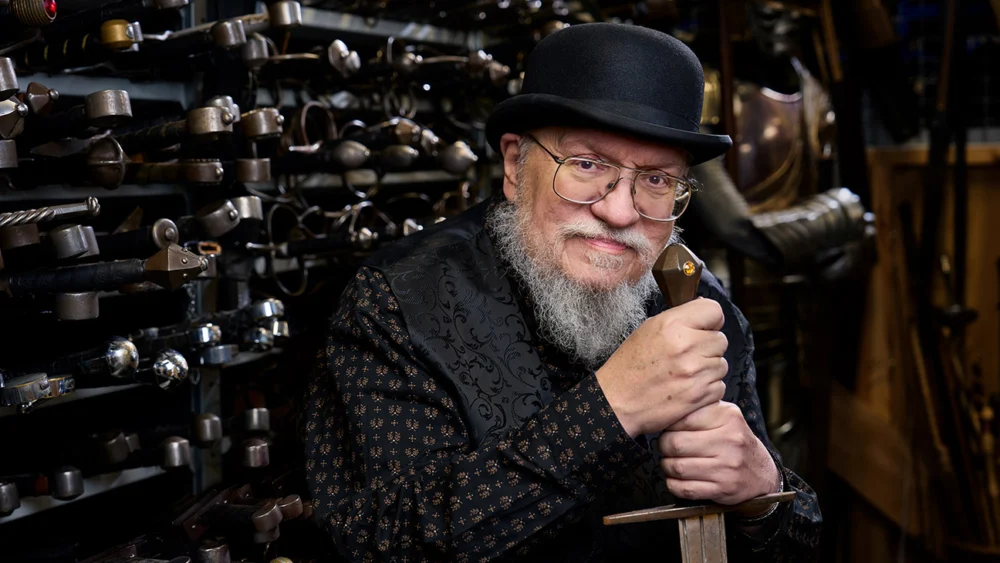
George R.R. Martin, who serves as the project’s creator and executive producer, expressed profound enthusiasm for the stage adaptation. He remarked that he never envisioned Game of Thrones extending beyond his books, let alone becoming a television phenomenon or a theatrical production. Martin highlighted the unique intimacy and imaginative potential offered by live theatre, where his world and the audience’s imagination can converge to create something magical. He specifically cited Shakespeare as a constant source of inspiration for his writing, noting the Bard’s similar challenges in staging epic battles, making the RSC a natural and "obvious choice" for this ambitious undertaking.
Crafting a Throne-Worthy Narrative
The formidable task of adapting Martin’s intricate narrative for the stage falls to Duncan Macmillan, known for his critically acclaimed works such as 1984 and Lungs. Directing the production is Dominic Cooke, whose extensive experience in theatre, film, and television, including the historical drama The Hollow Crown, makes him a fitting choice for the epic scope of Westeros. Their collaboration aims to translate the sprawling saga of Game of Thrones into a compelling live performance.
Macmillan and Cooke articulated their vision for the play, emphasizing its prequel nature and the deceptive hopefulness of the era. They described the tournament as a "new dawn, full of hope and opportunity," masking the darker purposes always inherent in such gatherings. Both collaborators echoed Martin’s sentiments regarding the Shakespearean scale and themes present in Game of Thrones, citing dynastic struggle, ambition, rebellion, madness, prophecy, and ill-fated love as core elements. They stressed that Shakespeare’s histories and tragedies served as their primary references for the production’s ambitious scope, further solidifying the RSC as its ideal home.
Echoes of Shakespearean Drama
The co-artistic directors of the RSC, Daniel Evans and Tamara Harvey, reinforced the parallels between Martin’s epic and Shakespeare’s historical plays. They observed that Macmillan’s script immediately revealed how the "epic cycle of warring families" in Game of Thrones exists in a continuum with Shakespeare’s history cycles. This perceived alignment makes the partnership between the RSC and the Game of Thrones universe an "exciting and apposite marriage," bridging contemporary popular culture with the classical dramatic canon.
Evans and Harvey underscored the timeless appeal of stories centered on power, ambition, and the complexities of succession. They highlighted that Game of Thrones: The Mad King will explore the true nature of authority through the lens of young characters grappling with inherited identities. While promising the epic qualities audiences expect from the franchise, they assured that the play would ultimately possess a "very human heart," focusing on the personal struggles amidst the grand political machinations. This approach aligns with the RSC’s tradition of exploring universal human themes through powerful storytelling.
The Madness of Aerys II Targaryen
At the heart of Game of Thrones: The Mad King lies the figure of Aerys II Targaryen, whose increasingly unstable reign led to the catastrophic rebellion that reshaped Westeros. Aerys’s descent into madness, characterized by paranoia, cruelty, and an obsession with wildfire, forms a chilling backdrop to the Tourney at Harrenhal. This period is crucial for understanding the Targaryen dynasty’s decline, as the King’s erratic behavior alienated even his closest advisors and family members.
The play’s narrative will likely explore the complex dynamics within the Targaryen court, including the strained relationship between Aerys and his son, Prince Rhaegar. The burgeoning "treasonous plot" mentioned in the synopsis suggests that key figures, disillusioned by the Mad King’s tyranny, began to contemplate drastic measures to protect the realm. This era saw the emergence of powerful dissenters, whose actions, though initially clandestine, would eventually ignite the flames of full-scale war.
A Pivotal Moment in Westerosi History
The Tourney at Harrenhal is not merely a backdrop but a central plot device in the Game of Thrones lore. It served as a crucible where many of the key relationships and grievances that fueled Robert’s Rebellion were forged. Iconic characters familiar to Game of Thrones fans, such as the honorable Ned Stark, the charismatic Robert Baratheon, and the conflicted Jaime Lannister, were all present at this fateful event. Their interactions and observations during the tourney would irrevocably alter their destinies and the future of Westeros.
Beyond the jousting and feasting, the tourney is famously remembered for Prince Rhaegar Targaryen’s controversial crowning of Lyanna Stark as the Queen of Love and Beauty, an act that deeply insulted Robert Baratheon, Lyanna’s betrothed, and set in motion a chain of events culminating in her abduction and the subsequent rebellion. The play is expected to dramatize these pivotal moments, revealing the personal stakes and political maneuverings that underpinned the eventual collapse of House Targaryen and the rise of new powers.
Impact and Broader Implications
The decision to bring Game of Thrones to the stage, particularly at the RSC, carries significant implications for both the franchise and the theatrical world. For the Game of Thrones universe, it represents a bold diversification beyond books and screen adaptations, tapping into a new medium that offers a different kind of immersive experience. This move could attract a new demographic to live theatre, bridging the gap between mainstream fantasy entertainment and classical stage productions.
For the theatre industry, this collaboration signifies a willingness to embrace popular culture phenomena, potentially revitalizing interest among younger audiences. The financial backing from co-producers including Simon Painter, Tim Lawson, Mark Manuel, Warner Bros. Theatre Ventures on behalf of HBO, and Sir Leonard Blavatnik and Danny Cohen for Access Entertainment, highlights the commercial confidence in this venture. It suggests a growing trend where established literary and cinematic properties are being reimagined for the stage, challenging traditional notions of theatrical content.
Anticipation and Accessibility
Public interest in Game of Thrones: The Mad King is expected to be exceptionally high, given the global fanbase of the franchise. Priority tickets for the summer premiere will become available on April 14. Fans eager to secure their attendance are strongly encouraged to register as Royal Shakespeare Company members for exclusive updates and early access to booking, indicating a anticipated high demand.
This theatrical endeavor is more than just another adaptation; it is a cultural event. It promises to deliver the epic scope, intricate character development, and profound thematic depth that fans have come to expect from George R.R. Martin’s universe, presented through the unique, immediate, and intimate lens of live performance. The Royal Shakespeare Theatre, with its rich history and commitment to dramatic excellence, provides an unparalleled setting for this ambitious exploration of power, prophecy, and rebellion in Westeros.
The Future of Fantasy on Stage
The premiere of Game of Thrones: The Mad King at the Royal Shakespeare Theatre could mark a new era for fantasy literature’s presence on prestigious stages. It demonstrates that genre fiction, when handled with artistic integrity and a deep understanding of its narrative roots, can transcend its popular appeal to engage with the profound themes and dramatic structures traditionally associated with classical theatre. This production is poised to be a landmark event, not only for Game of Thrones enthusiasts but for the broader cultural landscape, solidifying the franchise’s legacy as a modern epic worthy of the grandest theatrical interpretations.