The United Nations Security Council has preemptively rescheduled a crucial meeting focused on the Gaza ceasefire and escalating Israeli settlement activity in the West Bank, opting to convene on Wednesday afternoon instead of the originally planned Thursday to avoid a direct conflict with the imminent launch of President Donald Trump’s "Board of Peace" initiative. This strategic adjustment by the UN’s most powerful body signals an immediate tension between international diplomatic efforts and the Trump administration’s distinct approach to resolving the long-standing Israeli-Palestinian conflict.
The shift in the UNSC’s agenda, first reported by the Associated Press, underscores a growing concern among member states that the "Board of Peace" could seek to marginalize or undermine the established United Nations framework for peace negotiations. Diplomats involved in both the UN session and the upcoming Washington summit found the scheduling conflict unworkable, prompting the Security Council’s decision to move its deliberations forward.
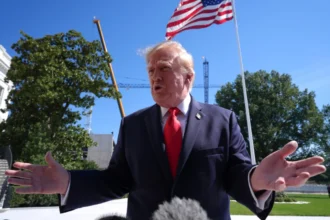
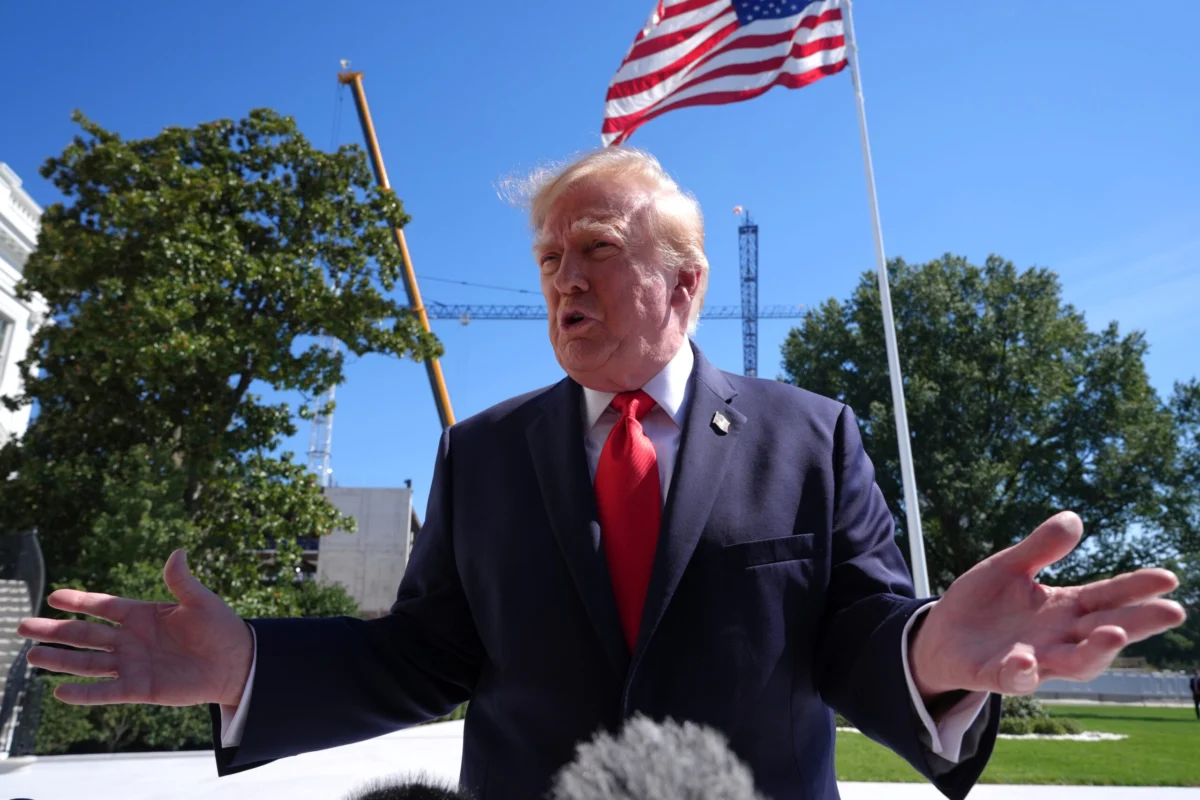
Trump’s "Board of Peace," slated to convene in Washington on Thursday, has been positioned by the administration as a novel mechanism to advance its peace plan, a blueprint that has already drawn skepticism and concern from key international actors. The President has asserted his indefinite chairmanship over this board, fueling perceptions that he intends to assert unilateral influence over the peace process, potentially sidelining multilateral institutions like the UN. This ambition has ignited fears of an "imperial agenda" aimed at imposing a predetermined outcome on the conflict.
Urgent Diplomatic Maneuvers Amidst Escalating Tensions
The rescheduled UN Security Council session is poised to address two critical and intertwined issues: the fragile ceasefire in Gaza and Israel’s increasingly assertive actions to expand its control and settler presence across the occupied West Bank. The meeting’s agenda reflects a broad international consensus that these developments pose significant threats to regional stability and the prospects for a just and lasting peace.
Several high-profile foreign ministers, including those from the United Kingdom, Israel, Jordan, Egypt, and Indonesia, are expected to participate in the Wednesday session. Many Arab and Islamic nations actively pushed for this UNSC discussion, seeking to galvanize international pressure on Israel regarding both the Gaza truce and its controversial settlement expansion, particularly in the lead-up to the White House deliberations.
Calls to Halt "Illegal Annexation" Echo at the UN
Palestine’s Ambassador to the UN, Riyad Mansour, articulated a clear expectation for the international community during this critical juncture. "We expect from the international community to stop Israel and end their illegal effort against annexation, whether in Washington or in New York," Mansour stated, emphasizing the urgency of international intervention. His remarks highlight a pervasive sentiment among Palestinian representatives and their allies that Israeli actions are systematically eroding the possibility of a sovereign Palestinian state.
The Security Council’s deliberations follow closely on the heels of a significant diplomatic statement delivered by Ambassador Mansour on behalf of 80 UN member states and several international organizations. This joint declaration roundly condemned Israel’s latest maneuvers in the occupied West Bank, demanding an immediate cessation of such activities and reaffirming strong opposition to any form of annexation. The United States was notably absent from this coalition of condemnation.
Israel’s West Bank Policies Fueling International Outrage
The impetus for the urgent UNSC meeting stems from Israeli government decisions made on February 8th, when the security cabinet authorized measures designed to facilitate the seizure of Palestinian land and enable direct property acquisition by Israelis in the West Bank. These policies, coupled with an expansion of Israeli military authority, have been described by Israeli Energy Minister Eli Cohen as establishing "de facto sovereignty," effectively hindering the establishment of an independent Palestinian state.
Adding to the international alarm, Israeli Finance Minister Bezalel Smotrich, a prominent figure on the far-right, has openly pledged to "encourage" the "emigration" of Palestinians from the territory. This rhetoric has been widely interpreted as a thinly veiled endorsement of policies aimed at ethnic cleansing, further exacerbating tensions and human rights concerns.
Empowered by this legislative framework, Israeli settlers have intensified their campaign of harassment and violence against Palestinian communities throughout the occupied West Bank. Recent incidents underscore the perilous reality on the ground. On Wednesday alone, four Palestinians sustained injuries, including two from live ammunition, during a settler attack on the village of Mukhmas, situated near occupied East Jerusalem.
These actions by Israel have drawn fierce condemnation from Palestinians, numerous Arab nations, and international human rights organizations. They view these developments as a clear attempt to illegally annex significant portions of the West Bank, a territory that is home to approximately 3.4 million Palestinians aspiring to establish their own state.
Gaza Ceasefire Under Scrutiny Amidst Reconstruction Promises
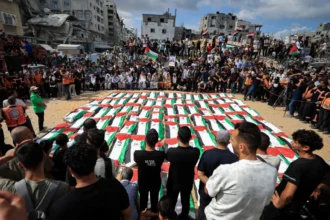
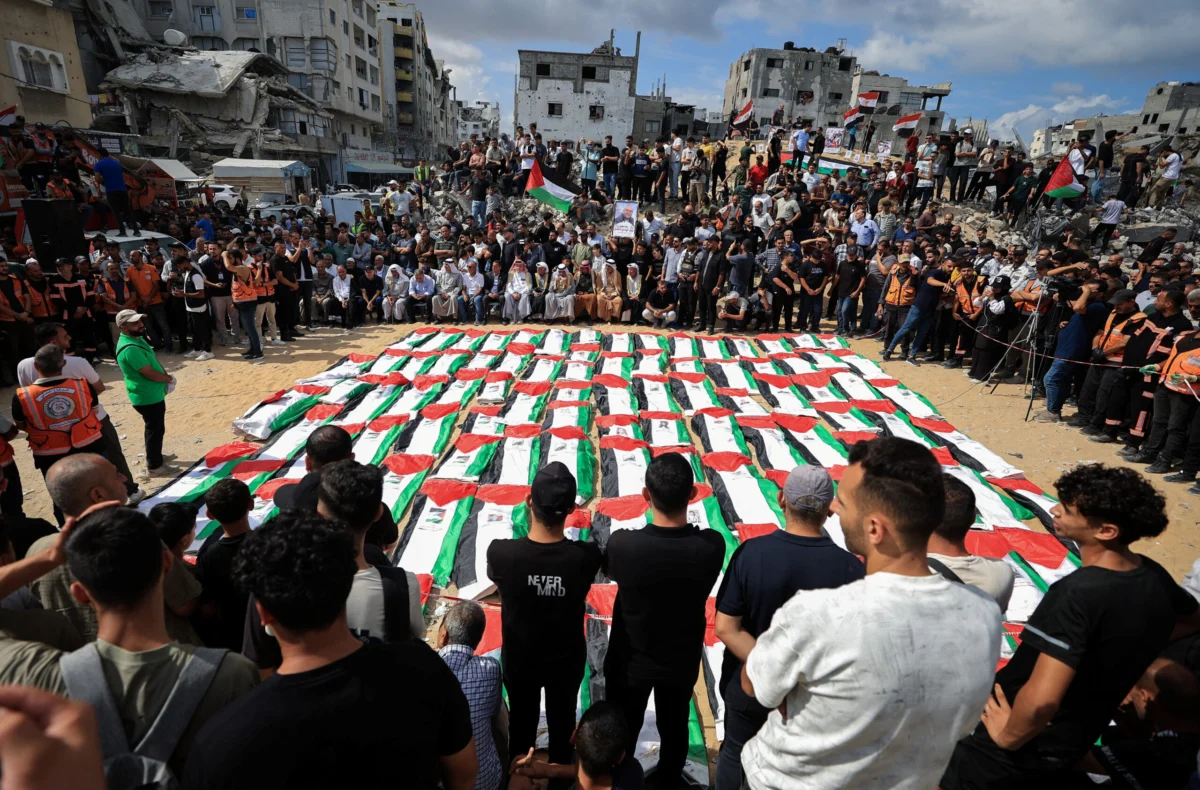
Beyond the West Bank crisis, the UN Security Council meeting is also expected to scrutinize the US-brokered ceasefire agreement for Gaza, which took effect on October 10th. While certain aspects of the deal have seen progress, including the release of hostages held by Hamas and an increase in humanitarian aid deliveries to the besieged enclave, the UN maintains that the aid levels remain critically insufficient. A new technocratic committee has been established to manage the day-to-day affairs of Gaza.
However, the most formidable challenges associated with the ceasefire remain largely unresolved. These include the proposed deployment of an international security force, the disarmament of Hamas, and the monumental task of rebuilding Gaza, a territory that has continued to experience Israeli military strikes despite the supposed truce.
President Trump has recently indicated that the "Board of Peace" members have committed $5 billion towards Gaza’s reconstruction and pledged thousands of personnel for international stabilization and police forces in the territory. In a concrete demonstration of this commitment, Indonesia’s military has stated that up to 8,000 of its troops could be ready by the end of June for potential deployment to Gaza as part of a humanitarian and peace mission.
The Competing Agendas: UN vs. The "Board of Peace"
The very scheduling of the UNSC meeting, a day after nearly all of its members, with the exception of the U.S., joined Ambassador Mansour in condemning Israel’s West Bank actions, highlights a significant divergence in diplomatic approaches. The international community, represented by the vast majority of UNSC members and a broad coalition of nations, appears to be aligned with upholding international law and established peace frameworks.
Conversely, the Trump administration’s "Board of Peace" represents an effort to chart a new, potentially unilateral course. The administration’s vision for the board, with its ambitious financial pledges and personnel commitments, suggests a desire to reshape regional dynamics on its own terms. This initiative, while offering potential avenues for reconstruction and stabilization, also carries the risk of creating parallel diplomatic tracks that could complicate or even undermine existing multilateral efforts.
The success of the Gaza ceasefire and any future peace settlement hinges on the ability of the international community and the U.S. administration to reconcile their differing strategies. The upcoming back-to-back meetings in New York and Washington will offer a critical, early glimpse into the potential for cooperation or confrontation between these competing visions for peace in the Middle East. The world will be watching to see whether these initiatives can forge common ground or further exacerbate divisions, with profound implications for the millions of people affected by the ongoing conflict. The coming days promise to be a pivotal moment in the protracted struggle for peace and security in the region.