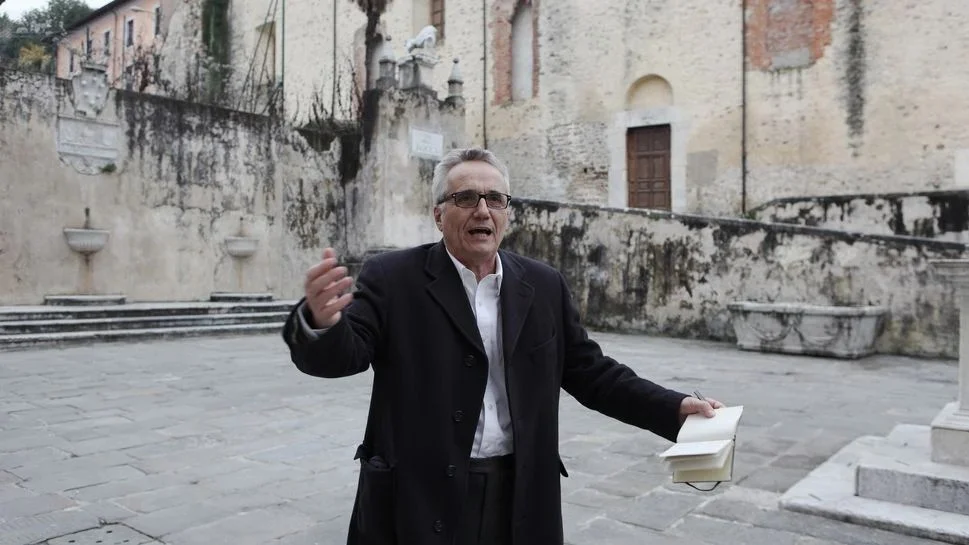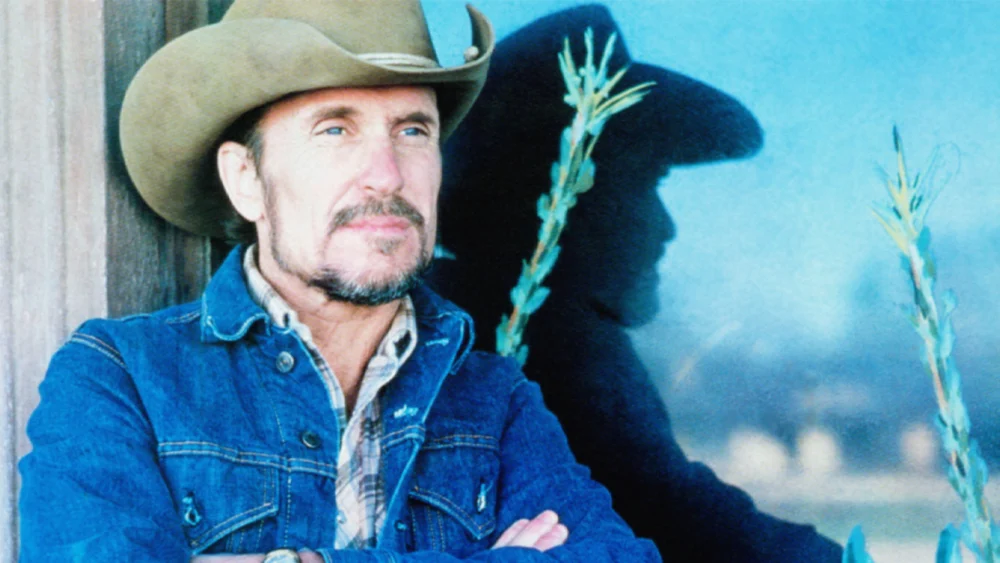
The esteemed Australian filmmaker Bruce Beresford has shared his exclusive recollections of working with legendary actor Robert Duvall, who passed away on Sunday at the age of 95. Beresford, who directed Duvall to his Best Actor Oscar win in the 1983 drama Tender Mercies, described the late star as simultaneously "surly" and "absolutely great," offering a candid glimpse into the intense artistic collaboration that yielded one of cinema’s most acclaimed performances. Duvall’s passing marks the end of an era for a performer widely regarded as one of the finest character actors in American film history.
Bruce Beresford Reflects on Robert Duvall’s Genius
Beresford, whose directorial credits also include the critically acclaimed Breaker Morant (1979) and the Best Picture Oscar-winner Driving Miss Daisy (1989), revealed that his professional encounter with Robert Duvall on Tender Mercies was their only collaboration. Despite the profound impact of their work together, Beresford noted a curious lack of subsequent meetings. He was filming other projects when Tender Mercies premiered at Cannes and when both he and Duvall received Oscar nominations, preventing any reunions after production wrapped.
A Collaboration Born from Acclaim
The journey to bring Tender Mercies to the screen began with a script penned by the celebrated American playwright and screenwriter Horton Foote. Foote had a long-standing creative partnership with Duvall, having even suggested the actor for his uncredited but iconic role as Boo Radley in 1962’s To Kill a Mockingbird. Tender Mercies was uniquely crafted by Foote with Robert Duvall specifically in mind for the lead role of Mac Sledge.
The script found its way to Beresford through New York-based producers Philip and Mary-Ann Hobel, founders of The Cinema Guild. The Hobels had reportedly offered the project to numerous American directors, who all declined. Their attention turned to Beresford after seeing his powerful Australian war drama Breaker Morant, which garnered international critical acclaim and an Academy Award nomination for Best Adapted Screenplay. Beresford was immediately captivated by the Tender Mercies script, contacting the Hobels to express his enthusiasm and commitment to direct.
Horton Foote’s Vision and Duvall’s Dedication
By the time Beresford came aboard, Robert Duvall was already attached to the project, a crucial element given Foote’s specific intent. Beresford, already familiar with Duvall’s formidable acting prowess from his extensive filmography, found the actor initially polite but reserved upon their first meeting. Duvall’s dedication to his craft was immediately evident. To authentically embody the role of Mac Sledge, a down-and-out country singer from Texas, Duvall immersed himself in the local culture, spending considerable time in the region to meticulously absorb the dialect and mannerisms of its inhabitants. This intense preparation was a hallmark of Duvall’s method, often blurring the lines between actor and character.
The Enigma of Robert Duvall on Set
Despite his quiet demeanor, Duvall proved to be opinionated during filming. Beresford recalled meticulously pre-planning scenes, outlining camera angles and actor movements, only for Duvall to react with a surly, "Oh, is that it?" However, Beresford emphasized that regardless of Duvall’s initial skepticism, his execution was consistently extraordinary. The director often found Duvall’s performances transcended his own initial vision, appearing "better than I imagined it would."
This intensity occasionally manifested in peculiar ways on set. Beresford recounted an incident where Duvall, fully immersed as Mac Sledge, demanded the removal of the boom microphone. "Mac Sledge never had a microphone hanging above his head," Duvall insisted, steadfastly refusing to acknowledge the practical necessities of filmmaking. Beresford’s explanation that he was an actor, not the character, fell on deaf ears. The production proceeded for a couple of hours without sound before Beresford reinstated the microphone the following morning, a decision Duvall never questioned again.
Another memorable instance involved a crucial scene with Ellen Barkin, who played his daughter, in the living room. Duvall abruptly halted filming, pointing to an external light source. "What’s that light doing out there?" he questioned. Beresford explained the need for consistent lighting, especially given the sun’s movement throughout the day, a technicality Duvall grudgingly accepted, looking at the director as if he were inventing cinematic conventions on the spot. Beresford, reflecting on these moments, expressed his bewilderment, knowing Duvall had made over 50 films and was undoubtedly aware of lights and microphones.
Crafting "Tender Mercies": A Deep Dive
These idiosyncratic moments, however, never overshadowed the sheer power of Duvall’s performance. Beresford knew from the very first scene, depicting a drunk Mac Sledge struggling to rise in a motel room, that he was witnessing something extraordinary. The raw authenticity of Duvall’s portrayal sent shivers down Beresford’s spine, confirming his belief that he was working with an "absolutely great" actor. This early intuition proved prescient, as Duvall’s performance garnered universal acclaim and secured him the Academy Award for Best Actor.
Tender Mercies tells the poignant story of Mac Sledge, a broken-down country singer seeking redemption and a new life in rural Texas. The film explores themes of faith, family, and the possibility of second chances, all set against a backdrop of understated emotional depth. Duvall’s portrayal was lauded for its nuanced vulnerability, his ability to convey profound regret and hope through subtle gestures and a quiet dignity. He famously performed his own songs in the film, showcasing a surprising vocal talent that further enhanced the character’s credibility. The film also provided a breakout role for Ellen Barkin and earned Tess Harper an Oscar nomination for Best Supporting Actress. Its independent spirit and character-driven narrative resonated deeply with audiences and critics, becoming a quiet triumph in early 1980s American cinema.
Robert Duvall’s Enduring Legacy
Robert Duvall’s career spanned over seven decades, marked by an unparalleled versatility and a commitment to authenticity that made him one of Hollywood’s most respected figures. Beyond his Oscar-winning turn in Tender Mercies, Duvall delivered iconic performances in a diverse range of films, from the terrifying Lieutenant Colonel Bill Kilgore in Apocalypse Now to the compassionate Tom Hagen in The Godfather and the weathered Gus McCrae in the miniseries Lonesome Dove. His ability to disappear into a role, whether a menacing villain, a wise mentor, or a struggling everyman, solidified his reputation as an actor’s actor, admired by peers and audiences alike.
Duvall was known for his immersive, often method-acting approach, a style that sometimes presented challenges on set but invariably led to unforgettable performances. His intense dedication to character research, as seen in his preparation for Mac Sledge, was a consistent thread throughout his career. This meticulousness, combined with his natural charisma and commanding presence, allowed him to create indelible characters that transcended the screen and became deeply embedded in cinematic culture. His six Academy Award nominations, culminating in his Best Actor win for Tender Mercies, attest to the consistent excellence of his work.
The Method Actor’s Process
The anecdotes shared by Bruce Beresford offer a valuable insight into the mind of a dedicated method actor like Robert Duvall. His insistence on removing the microphone or questioning artificial lighting stemmed from a profound commitment to inhabiting his character’s reality. For Duvall, the boundaries between the actor and the role could become permeable, leading him to perceive elements of the film set as intrusions on Mac Sledge’s world. While challenging for a director managing a production, this intense immersion was also the wellspring of his legendary performances, allowing him to tap into a raw, unfiltered emotional truth that few actors could achieve. This particular approach to acting, popularized by figures like Marlon Brando and Lee Strasberg, emphasized deep psychological understanding and emotional recall, and Duvall was a master of its application.
Beresford’s Own Illustrious Career
Bruce Beresford himself is a distinguished figure in international cinema. His knack for drawing out powerful performances and his ability to tell compelling, character-driven stories have been a consistent feature of his career. From the stark realism of Breaker Morant to the heartwarming charm of Driving Miss Daisy, which famously won four Academy Awards including Best Picture and Best Actress for Jessica Tandy, Beresford has demonstrated a remarkable range. His experience working with a talent of Robert Duvall’s magnitude on Tender Mercies underscores his own directorial skill in navigating the creative process with a fiercely independent artist.
A Farewell to a Legend
The passing of Robert Duvall leaves an undeniable void in Hollywood. His career was a masterclass in acting, characterized by depth, authenticity, and an unwavering commitment to his craft. Bruce Beresford’s recollections of their time together on Tender Mercies serve as a poignant reminder of the complex, brilliant individual behind some of cinema’s most enduring characters. Duvall’s legacy is not just in the awards he won or the iconic roles he played, but in the profound impact he had on storytelling and the art of performance, inspiring generations of actors to pursue truth in their work, however surly or great the journey might be. His contributions to American cinema will continue to resonate, securing his place as an immortal figure in the pantheon of film.