The European Union issued a sharp rebuke of Moscow’s diplomatic posture on Thursday, stating that Russia is “not ready for peace” and showing “no tangible signs” of serious engagement despite ongoing international efforts to mediate an end to the conflict in Ukraine. The assessment, delivered by EU foreign affairs spokesperson Anouar El Anouni during a midday briefing in Geneva, comes as a direct response to a difficult round of US-mediated negotiations held this week. The EU’s skepticism highlights a widening rift between the optimistic rhetoric coming from Washington and the grim reality of continued military escalation on the ground, where both sides have intensified strikes against critical infrastructure.
European officials emphasized that the Kremlin’s actions continue to contradict its participation in diplomatic channels. "We see that Russia continues its relentless attacks on Ukraine," El Anouni said, pointing to a massive wave of missile and drone strikes that targeted Ukrainian population centers just days before the Geneva talks commenced. The EU’s position is that these military maneuvers are intended to project strength and extract concessions rather than find a sustainable resolution. As long as the bloodshed continues, Brussels has pledged to maintain and potentially increase economic pressure on the Russian Federation.
Diplomatic Standoff in Geneva
The latest round of peace talks in Geneva has become a focal point for international scrutiny, as the United States seeks to broker a deal under the administration of President Donald Trump. While the U.S. delegation claimed that the discussions helped to make “meaningful progress” and resulted in pledges to continue working toward a peace deal, European and Ukrainian leaders remain far more cautious. The Kremlin, for its part, has remained largely silent, with spokesperson Dmitry Peskov stating that the Russian government had nothing to add beyond the comments of its chief negotiator, Vladimir Medinsky.
Medinsky described the talks as “difficult but businesslike,” suggesting that a new round of discussions would be scheduled shortly. However, the substance of these "businesslike" talks has come under fire from Kyiv. Ukrainian President Volodymyr Zelenskyy has expressed growing frustration with what he describes as Russian “delay tactics.” In a rare public outburst, Zelenskyy criticized the Russian delegation for focusing on historical grievances and claims regarding Russia’s alleged right to control Ukrainian territory. The Ukrainian leader signaled that he is losing patience with a process that he believes is being used by Moscow to stall for time while regrouping its military forces.

Russia ‘not ready for peace’ as strikes intensify
The EU’s assertion that Russia is not ready for peace is supported by a significant uptick in cross-border military activity. On Thursday, Russian officials reported that their air defense systems destroyed 113 Ukrainian drones overnight. One of the primary targets was an oil refinery in Velikiye Luki, located approximately 300 miles west of Moscow. Regional Governor Mikhail Vedernikov confirmed that a drone strike caused a fire in an oil storage tank, though no injuries were reported among the staff. This strike is part of a broader Ukrainian strategy to degrade the logistical capabilities of the Russian military.
Simultaneously, Ukraine’s SBU security service claimed responsibility for a successful hit on a Russian oil depot in the western Pskov region. Ukrainian officials stated that the destruction of such facilities directly affects the enemy’s ability to conduct combat operations and move staff reserves. These tactical successes for Ukraine, however, are mirrored by Russia’s continued bombardment of Ukraine’s energy grid. The systematic targeting of power facilities has left much of Kyiv and other major cities struggling through a particularly harsh winter, forcing the civilian population to adopt desperate measures for survival.
Zelenskyy Criticizes ‘Delay Tactics’ and Historical Claims
The tension between Kyiv and its Western allies has become increasingly visible as President Zelenskyy faces mounting pressure from the Trump administration to compromise on territorial integrity. Zelenskyy has been vocal about his refusal to entertain what he calls “historical shit,” referring to the Kremlin’s frequent use of revisionist history to justify its invasion. The Ukrainian president has warned that any peace deal must be substantive and address sensitive political matters, rather than merely serving as a temporary ceasefire that allows Russia to remain in occupied territories.
Zelenskyy also expressed concern over reports that the United States and certain European nations might be discussing a new security document with Russia that could bypass Ukraine. He insisted that "nothing can be decided about Ukraine without Ukraine," a sentiment echoed by EU spokesperson El Anouni, who stated that Europe must have a permanent seat at any negotiating table. The prospect of a "NATO-Russia" document has raised alarms in Kyiv, where officials fear that their long-term security interests could be sacrificed for the sake of a quick diplomatic win for Washington.
The Arctic Frontier: NATO and EU Pivot North
While the conflict in Ukraine remains the primary driver of European instability, a new theater of geopolitical competition is emerging in the Arctic. European Commission President Ursula von der Leyen is scheduled to travel to Greenland in March to demonstrate solidarity with Denmark and its semi-autonomous territory. This visit comes amid heightened interest in Arctic security from the Trump administration. NATO recently announced its "Arctic Sentry" mission, a new initiative designed to secure the region against growing Russian and Chinese influence.
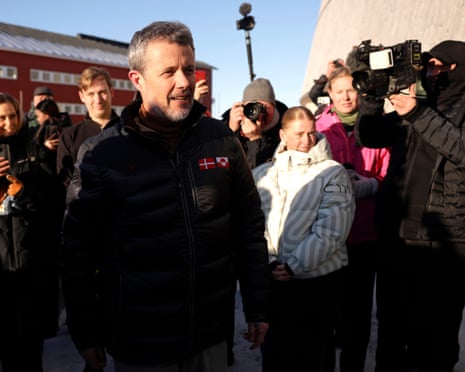
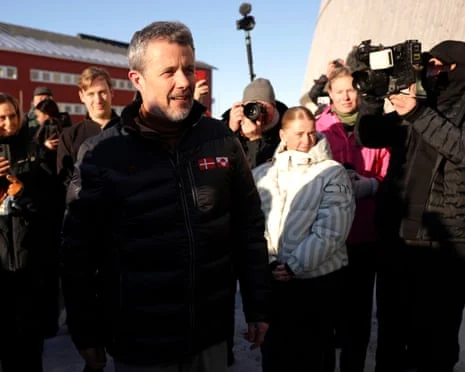
The Arctic has seen a surge in high-profile diplomatic activity, including a recent visit by the Danish monarch, King Frederik X, and the opening of new consulates by France and Canada in Greenland. Although some Danish and Greenlandic officials have suggested that fears of Russian and Chinese encroachment may be overblown, the EU and NATO are taking no chances. The region’s strategic importance is tied to both untapped natural resources and the opening of new shipping lanes due to polar ice melt, making it a critical component of the broader Western security architecture.
Broader Regional Instability: Tensions in Iran
The sense of global precariousness was further heightened this week by warnings from Poland regarding a potential conflict in the Middle East. Polish Prime Minister Donald Tusk urged all Polish citizens to leave Iran immediately, citing a “very, very real” prospect of active war. Tusk warned that a hot conflict could erupt within a matter of hours, potentially cutting off all avenues for evacuation. The Polish government’s urgent advisory follows reports that the U.S. military is prepared for possible strikes against Iranian targets, though a final decision from President Trump is reportedly pending.
The intersection of the Ukraine war, Arctic tensions, and the looming crisis in Iran has created a complex web of challenges for European leaders. The EU is attempting to maintain a unified front on Ukraine while simultaneously managing its relationship with a volatile U.S. administration. The Polish warning serves as a reminder that the war in Eastern Europe is not an isolated event but part of a shifting global order where traditional alliances and security guarantees are being tested.
Transatlantic Tourism and Economic Divergence
In a surprising contrast to the diplomatic friction between Washington and Paris, economic and cultural ties between the United States and France appear to be thriving. The French tourism ministry reported that more than 5 million Americans visited France in 2025, a 17% increase over the previous year. This contributed to a record-breaking 102 million foreign tourists for France, surpassing even the numbers seen during the 2024 Paris Olympics.
Analysts suggest that the surge in American tourism indicates that many U.S. citizens remain "nonplussed" by the worsening relations between the Trump administration and European governments. However, the trend is not reciprocal. Data from travel groups like Tui suggest that a growing number of Europeans are choosing to shun travel to the United States, opting instead for destinations in Asia or the Middle East. This divergence in travel patterns reflects a deeper cultural and political shift, as European public opinion becomes increasingly critical of U.S. immigration policies and foreign interventions.

Public Impact: Survival in a Frozen Capital
On the ground in Kyiv, the geopolitical maneuvering feels distant compared to the daily struggle for warmth. The city’s zoo has become a symbol of the civilian hardship caused by Russia’s targeting of energy infrastructure. Zoo director Kyrylo Trantin revealed that the facility has resorted to using wood-burning stoves to keep animals alive during blackouts. Trantin noted that his team studied historical records of how zoos in Berlin and Leningrad survived the Second World War to develop their current survival strategies.
The plight of the zoo’s most famous resident, a 52-year-old gorilla named Toni, has captured the attention of the international community. While the "military discussed certain issues seriously" in Geneva, as Zelenskyy noted, the residents of Kyiv are more focused on the immediate necessity of surviving the winter. The use of primitive heating methods in a modern European capital underscores the EU’s argument that Russia’s "relentless attacks" are designed to break the spirit of the Ukrainian people, further proving that the Kremlin is currently "not ready for peace."
Consequences and Next Steps
The diplomatic community is now looking toward Washington, where several European countries are expected to participate in President Trump’s "Board of Peace" event. The European Union will attend as an observer, a move intended to monitor the proceedings without necessarily endorsing the administration’s approach. The EU remains committed to its stance that no tangible signs of Russian engagement exist, and it continues to call for a peace process that respects international law and Ukrainian sovereignty.
As February 2026 unfolds, the conflict appears to be entering a phase of high-stakes attrition. With peace talks stalled by "historical claims" and "delay tactics," and with military strikes targeting the economic heart of both nations, the path to a resolution remains obscured. The EU’s blunt assessment serves as a warning to the international community: until there is a fundamental shift in Moscow’s strategic objectives, the rhetoric of peace will remain disconnected from the reality of war.