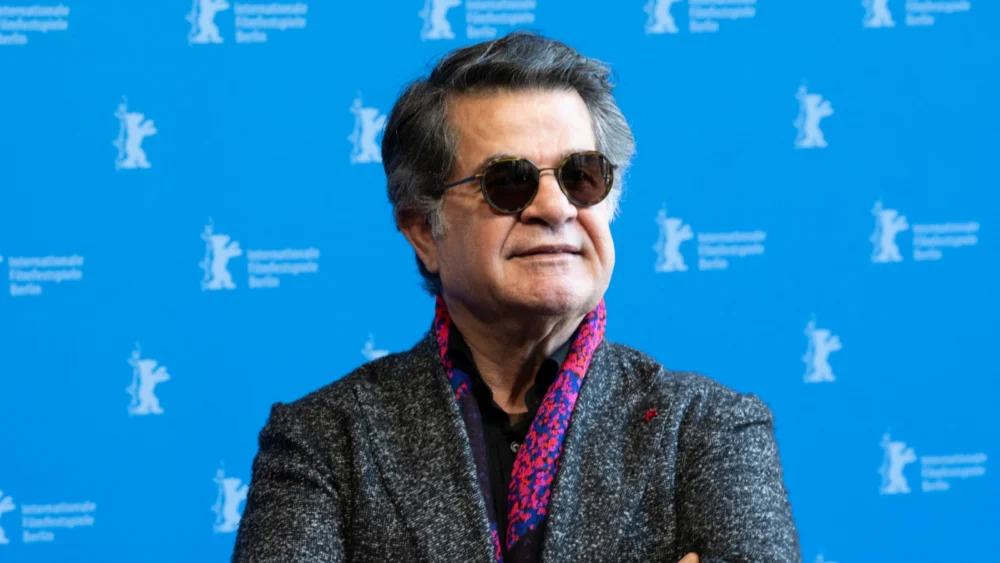
Veteran Oscar-nominated Iranian director Jafar Panahi delivered a searing condemnation of the Islamic Republic’s "unbelievable crime" and "mass murder" unfolding in his homeland during a rare public appearance at the Berlin Film Festival. His powerful statements coincided with a concerted campaign by independent Iranian filmmakers to highlight the escalating state violence against artists, documenting those killed and detained in the government’s sweeping crackdown.
A Voice Against Repression at the Berlinale
Panahi, renowned for films like Taxi, used the international platform in Berlin on Thursday to draw global attention to the severe human rights situation in Iran. He revealed that festival organizers had sought to retroactively present him with the Berlinale Golden Bear he won in 2015 for Taxi, an award he was unable to accept in person due to a travel ban imposed by the Iranian authorities. Panahi, however, declined the honor, choosing instead to keep the focus squarely on the regime’s brutal repression of protestors, which he stated has resulted in "tens of thousands of deaths."
"They wanted to give me the Golden Bear I had won for Taxi, and I refused it, because of the situation in Iran," Panahi stated during an on-stage discussion with The Hollywood Reporter‘s European Bureau Chief Scott Roxborough. He elaborated on the dire circumstances, describing them as "an unbelievable crime" and "mass murder" where citizens are even forbidden from mourning their deceased loved ones. He unequivocally asserted that the regime itself is the perpetrator of violence, forcing it upon a populace that largely seeks peace.
The Inevitability of Artistic Engagement
Panahi has historically resisted being labeled a political filmmaker, despite his life and work being inextricably shaped by the Iranian state’s response to dissent. Yet, he suggested that the current gravity of the situation has rendered silence an impossibility for socially conscious artists. He articulated a core belief that artists are not inherently driven by political aspirations; rather, it is oppressive regimes that compel them into political engagement.
"Artists try to avoid being politically active, but socially engaged artists cannot stay silent about what happens in society," Panahi explained. This conviction has led numerous Iranian artists, actors, and cultural figures to stand in solidarity with the people, subsequently facing severe consequences, including imprisonment. He highlighted the plight of many documentary filmmakers and other artists currently incarcerated, emphasizing that "when an artist is silent, they are complicit in violence." This stark declaration underscores the moral imperative felt by many in Iran’s creative community to speak out against injustice.
"It Was Just an Accident": A Testament to Incarceration
Panahi’s latest film, It Was Just an Accident, is a direct response to his own experiences and the harrowing stories he encountered during his seven-month imprisonment in Iran’s notorious Evin Prison. The Oscar-nominated feature, vying for best international feature and best original screenplay, delves into the psychological aftermath for former prisoners, following a group who kidnap their presumed torturer and grapple with themes of revenge and forgiveness.
The film’s genesis stemmed from Panahi’s profound reflection upon his release from prison. "When I left prison, when the doors opened and I walked out and looked back at the huge walls behind me, I thought about those still inside," he recounted. This burden of empathy intensified over weeks and months, ultimately compelling him to create a cinematic portrayal of their struggles. To ensure authenticity, he collaborated with several former inmates, notably political activist Mehdi Mahmoudian, to co-write the screenplay. Mahmoudian, who has spent nearly a quarter of his life in prison, provided invaluable insight into the mindsets and ideologies of the torturers, having endured extensive contact with them. He was recently re-arrested for condemning Supreme Leader Ali Khamenei and is currently out on bail, a stark reminder of the ongoing risks faced by those who challenge the regime.
Defiance and Unwavering Commitment to Iran
In December, while touring with It Was Just an Accident outside Iran, Panahi was sentenced in absentia to another year in prison and a renewed travel ban, ostensibly for "propaganda activities" against the government. Despite these looming threats, he declared his absolute intention to return to Iran following the Academy Awards. His resolve is deeply rooted in his identity and his commitment to his homeland.
"Half of my existence is in Iran – my family, my mother, my sister, my brother, my son, my friends, and the society I work for," Panahi asserted. He views remaining abroad as a betrayal of his beliefs and his duty as a socially engaged filmmaker. While doctors can save lives anywhere, he believes his unique form of cinema can only thrive and serve its purpose within Iran. "I must go back and make films there. That is the right thing to do. I will return, 100 percent, because of who I am and because of my beliefs." His statement underscores a profound sense of responsibility and an unyielding connection to the Iranian people.
Independent Filmmakers Unify Against State Violence
Panahi’s individual act of defiance at the Berlinale was amplified by a coordinated effort from the Iranian Independent Filmmakers Association (IIFMA). Formed in 2023 in the wake of the "Woman, Life, Freedom" movement, a nationwide protest sparked by the death of Mahsa Amini, the IIFMA returned to the Berlin Film Festival with a dedicated stand, a panel discussion, and a highly visible flashmob demonstration on Potsdamer Platz. These collective actions aimed to spotlight the systematic repression of artists and cultural figures by the Iranian government.
At their panel in Berlin, IIFMA board member Mahshid Zamani presented chilling footage compiled from social media and directly from Iran, documenting the intense crackdown on January 8 and 9. Zamani described the footage as capturing "the courage, hope and longing that define the Iranian spirit while also shedding light on the brutal realities imposed by a repressive, fanatic, Islamic, terrorist regime." He reported that "tens of artists were murdered while bravely standing up for their beliefs" during those two days of heightened government aggression.
The Human Toll: Names of the Martyred and Detained
Zamani then performed a poignant roll call, reading aloud the names of musicians, filmmakers, actors, and other arts professionals confirmed killed or detained, asking the audience to applaud each individual. This solemn act transformed an international film festival into a memorial, emphasizing the grave human cost of the Iranian state violence. Later, IIFMA members staged a powerful flashmob in Berlin’s festival district, reenacting rows of body bags as a stark commemoration of the fallen.
According to IIFMA, the following arts and culture professionals have been tragically killed:
- Ahmad Abbasi – filmmaker
- Shokoufeh Abdi – photographer
- Melika Dastyab – musician
- Pouya Faragardi – musician
- Shabnam Ferdowsi – puppeteer, graphic designer
- Javad Ganji – filmmaker
- Sorena Golgoun – musician
- Yaser Modir-Rousta – musician
- Sanam Pourbabaei – musician
- Sahba Rashtian – painter and animation director
- Foad Safayi – musician
- Mehdi Salahshour – sculptor
- Zohre Shamaeizade – script supervisor and voice actor
- Mohammed “Shahou” Shirazi – singer
- Mostafa Rabeti – filmmaker
- Reyhaneh Yousefi – actor
- Amir-Ali Zarei – musician, art student
Additionally, the IIFMA listed the following cultural figures as detained:
- Dawood Abbasi – filmmaker and cinematographer
- Ghazale Vakili – actor
- Navid Zarehbin – filmmaker
- Kimia Mousavi – artist
Global Ramifications and the Fight for Artistic Freedom
The unified stance taken by Jafar Panahi and the Independent Iranian Directors at the Berlin Film Festival underscores the critical role international cultural platforms play in amplifying marginalized voices and shedding light on human rights abuses. Their actions serve as a powerful reminder to the global film community and political leaders of the ongoing struggle for artistic freedom and basic human dignity in Iran. The deliberate targeting of artists by the regime represents not only a violation of individual rights but also an attempt to stifle cultural expression and collective memory.
As the international community grapples with how to respond to the escalating repression, the defiance displayed by Panahi and his peers sends a clear message: despite imprisonment, travel bans, and the threat of death, the spirit of resistance among Iranian artists remains unbroken. Their courage in speaking truth to power, often at immense personal risk, ensures that the "unbelievable crime" unfolding in Iran will not remain unseen or unheard on the global stage.