Slovakia has delivered a stark ultimatum to Ukraine, demanding the immediate resumption of Russian oil flows through its territory and threatening to sever critical electricity supplies if the demand is not met within a two-day window. The escalating dispute highlights the complex energy and political dependencies that continue to bind Eastern European nations, even amidst the ongoing war in Ukraine.
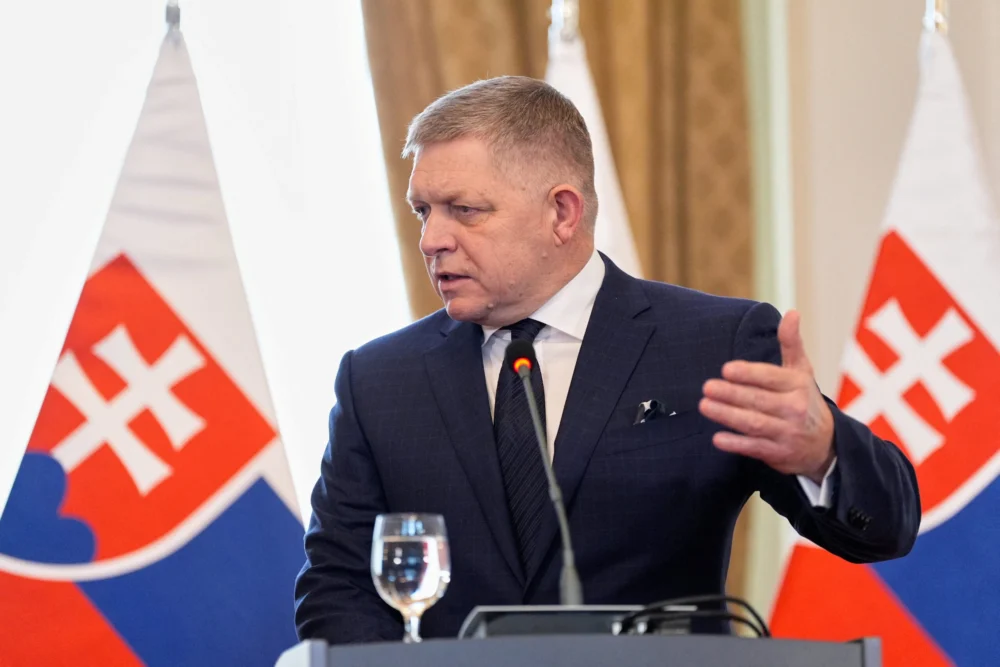
Prime Minister Robert Fico issued the potent warning to Ukrainian President Volodymyr Zelenskyy on Saturday, signaling his intent to instruct the state-owned energy company SEPS to halt emergency electricity exports to Ukraine. The deadline for the resumption of oil pumping via the Soviet-era Druzhba pipeline, which traverses Ukraine, was set for Monday. This aggressive stance underscores Slovakia’s frustration over the disruption of Russian crude oil shipments, a lifeline for its energy sector.
The Druzhba pipeline, a vital artery for energy supply in Eastern Europe, was reportedly halted last month following what Ukrainian authorities described as a Russian drone strike that damaged critical infrastructure. Slovakia and its neighbor Hungary, both heavily reliant on Russian oil since the Kremlin’s full-scale invasion of Ukraine nearly four years ago, have become increasingly vocal in their demands for Kyiv to restore these deliveries.
Fico accused Zelenskyy of acting with "malice" towards Slovakia, referencing Ukraine’s earlier decision to halt Russian gas supplies after a five-year transit agreement expired on January 1, 2025. The Slovak leader claimed this move alone is costing his country approximately 500 million euros (about $589 million) annually in lost transit fees and damages. He characterized Zelenskyy’s actions as "unacceptable behavior" and, conversely, deemed Ukraine’s refusal to involve Slovakia in a recent 90 billion euro ($105 billion) military loan package as "absolutely correct."
Slovakia plays a crucial role in bolstering Ukraine’s energy grid, which has been severely damaged by persistent Russian attacks. Energy sector analysts confirm that Slovakia was a significant supplier of electricity to Ukraine, providing an estimated 18 percent of the war-torn nation’s record electricity imports in the previous month. The potential cutoff of this vital power source could have devastating consequences for Ukrainian civilians and critical infrastructure already under immense strain.
EU Loan Package Under Pressure
The contentious dispute over Russian oil has reverberated through broader European Union financial aid efforts for Ukraine. Hungary, Slovakia, and the Czech Republic had previously voiced opposition to an interest-free EU loan package totaling 105 billion euros, agreed upon by member states in December. This financial support was intended to bolster Ukraine’s military and economic resilience over the next two years.
While these three nations initially resisted the package, which ultimately replaced a more controversial plan to utilize frozen Russian assets, a compromise was brokered. They refrained from blocking the initiative, securing assurances of protection from any associated financial repercussions.
However, the escalating tensions surrounding the interrupted Russian oil supply have prompted Hungarian Prime Minister Viktor Orbán to threaten a dramatic shift. On Friday, Orbán declared Hungary’s intention to veto the EU loan package, stating on Facebook, "As long as Ukraine blocks the Druzhba pipeline, Hungary will block the 90-billion-euro Ukrainian war loan. We will not be pushed around!" This linkage of energy transit to crucial financial aid underscores the complex web of geopolitical interests at play.
Both Slovakia and Hungary had previously received temporary exemptions from an EU policy that prohibits the import of Russian oil, a measure implemented in response to the war in Ukraine. These exemptions acknowledged their particular energy dependencies but have now become a focal point of diplomatic friction.
Ukraine’s Firm Rebuttal
The Ukrainian Ministry of Foreign Affairs swiftly condemned the actions of Slovakia and Hungary, denouncing their demands as "ultimatums and blackmail" concerning energy matters. Kyiv asserted that such tactics are "playing into the hands of the aggressor [Russia]," suggesting they undermine collective efforts to counter Russian aggression.
Ukraine’s foreign ministry stated that it had provided both Slovakia and Hungary with detailed information regarding the damage sustained by the Druzhba pipeline, attributing it to "Russian attacks." The ministry confirmed that repair work is currently underway. Furthermore, Ukraine indicated that it has proactively proposed "alternative ways to resolve the issue of supplying non-Russian oil to these countries," demonstrating a willingness to find mutually agreeable solutions.
The diplomatic standoff highlights the delicate balance European nations must strike between their national energy interests and their commitment to supporting Ukraine. The reliance on Russian energy, a legacy of decades of economic ties, continues to present significant challenges as the continent navigates a new geopolitical landscape shaped by conflict. The outcome of this energy spat could have far-reaching implications, potentially influencing the flow of aid to Ukraine and further straining relations between EU member states.
Energy Security and Geopolitical Leverage
The Druzhba pipeline, meaning "friendship" in Russian, has long been a symbol of energy interdependence between Russia and Eastern European nations. However, in the context of the ongoing war, its role has become increasingly politicized. The pipeline’s infrastructure, designed decades ago, is vulnerable to disruptions, and the recent alleged drone strike has brought these vulnerabilities into sharp focus.
For Slovakia and Hungary, the disruption of Russian oil signifies more than just an economic inconvenience; it touches upon deeply ingrained energy security concerns. Both nations have historically relied on affordable Russian energy imports, and transitioning away from these sources presents significant logistical and financial hurdles. Their governments, particularly under Prime Ministers Fico and Orbán, have often expressed skepticism towards stringent EU sanctions against Russia and have prioritized national economic interests.
Ukraine, on the other hand, views the halting of Russian energy flows as a strategic imperative and a consequence of Russian aggression. Its ability to repair damaged infrastructure and maintain transit routes is directly impacted by the war itself. Kyiv’s position is that Russia is the aggressor, and any disruptions are a direct result of Moscow’s actions, not Ukrainian obstructionism.
The threat to cut electricity supplies from Slovakia to Ukraine is particularly concerning given Ukraine’s already precarious energy situation. The country has been subjected to a relentless barrage of Russian missile and drone attacks targeting its power generation facilities and grid infrastructure. European electricity imports have become a critical component of Ukraine’s efforts to maintain a stable power supply for its citizens and essential services.
Broader Implications for EU Unity
The dual pressure points – the oil pipeline dispute and the EU loan package – demonstrate a growing divergence within the European Union regarding its approach to Russia and Ukraine. While the majority of member states have maintained a united front in condemning Russian aggression and supporting Ukraine, nations like Hungary and Slovakia have often adopted a more independent or conciliatory stance.
The linkage of energy transit to financial aid by Hungary, in particular, represents a significant challenge to EU cohesion. It suggests a willingness to leverage critical support for Ukraine for the sake of bilateral energy concerns. This tactic could embolden other member states with similar grievances or economic dependencies, potentially fracturing the unified support that has been a cornerstone of the EU’s response to the war.
The European Commission has consistently urged member states to maintain solidarity and avoid actions that could undermine collective efforts to aid Ukraine. However, the increasing assertiveness of national governments on issues of energy security and economic interest poses a persistent challenge to this unity.
The situation remains fluid, with significant implications for Ukraine’s ability to sustain its defense and civilian infrastructure, as well as for the broader European energy landscape. The coming days are likely to be crucial in determining whether diplomatic solutions can be found or if the escalating rhetoric will lead to tangible disruptions in critical energy supplies and financial assistance. The international community is closely watching to see how these complex geopolitical and energy-related tensions will be resolved.