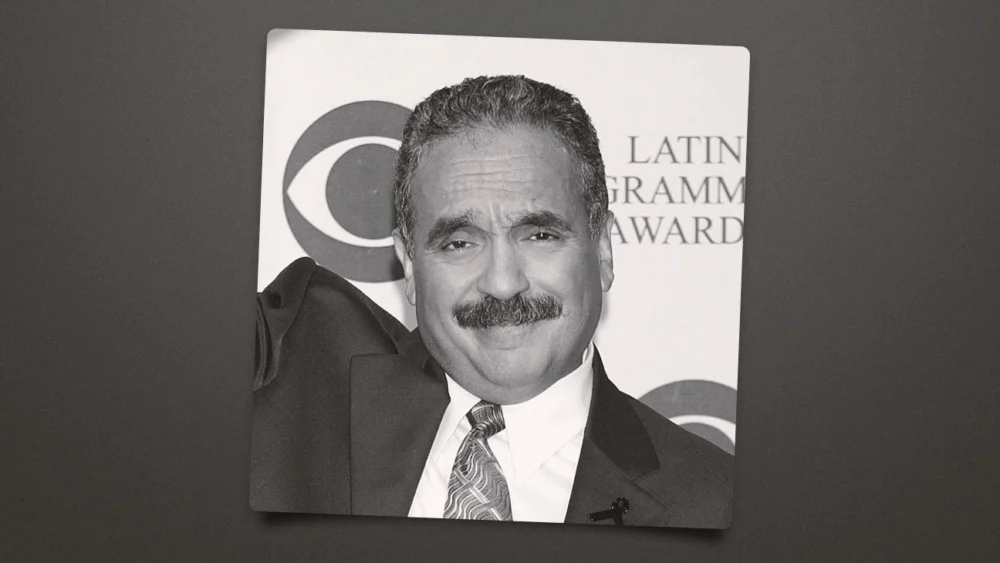
Willie Colón, the iconic American salsa musician whose innovative sound and profound social commentary shaped the genre for decades, has passed away at the age of 75. The multi-talented artist, known for his distinctive trombone style and pivotal role in the Fania Records era, died peacefully on Saturday morning, according to a statement released by his family. His family did not disclose a cause of death.
"It is with profound sadness that we announce the passing of our beloved husband, father, and renowned musician, Willie Colón. He passed away peacefully this morning, surrounded by his loving family," the statement shared on his official Facebook page read. "While we grieve his absence, we also rejoice in the timeless gift of his music and the cherished memories he created that will live on forever. Our family is deeply grateful for your prayers and support during this time of mourning. We kindly ask for privacy as we navigate our grief." The announcement prompted an immediate outpouring of tributes from across the music world and from legions of fans who recognized Colón as a true pioneer.
The Bronx Roots of a Salsa Legend
Born William Anthony Colón Román on April 28, 1950, in the Bronx, New York, Willie Colón’s early life was steeped in the vibrant, multicultural tapestry of New York City. His parents, who hailed from Puerto Rico, instilled in him a strong connection to his heritage, which would profoundly influence his musical career. Growing up in a borough that was a crucible of diverse musical styles, from jazz and rhythm and blues to various Latin rhythms, Colón was exposed to a rich sonic landscape that would later define his groundbreaking approach to salsa.
Colón demonstrated an innate musical aptitude from a young age, initially gravitating towards the trumpet before finding his true voice with the trombone. He quickly developed a unique and powerful playing style that would become a signature element of his sound. By his teenage years, he was already performing in local bands, honing his craft in the bustling New York Latin music scene that was then on the cusp of a major explosion.
Forging the Fania Sound: Willie Colón’s Early Career
At just 15 years old, Willie Colón’s prodigious talent caught the attention of Jerry Masucci and Johnny Pacheco, the co-founders of Fania Records. This legendary label was at the forefront of the burgeoning salsa movement, bringing together some of the most innovative musicians to create a new, powerful sound that resonated with the Nuyorican experience. Colón signed his first professional contract with Fania, a move that would prove instrumental in shaping the future of Latin music.
His debut album, El Malo, released two years later in 1967 when Colón was only 17, immediately announced his arrival as a force to be reckoned with. The album, characterized by its raw energy and gritty, urban sound, defied traditional salsa conventions. El Malo not only showcased Colón’s distinct trombone arrangements but also introduced the public to his bold artistic vision. He deliberately cultivated an "outsider" persona, reflected in the album’s title ("The Bad Guy"), which resonated with the rebellious spirit of the youth and the realities of inner-city life. This early work laid the foundation for what would become known as "salsa dura" or "hard salsa," a style emphasizing strong brass sections, driving percussion, and often socially conscious lyrics.
Iconic Collaborations and Musical Innovation
Willie Colón’s career was defined by a relentless drive for innovation and a series of transformative collaborations that pushed the boundaries of salsa. His partnership with Héctor Lavoe, the charismatic and soulful Puerto Rican vocalist, is perhaps his most celebrated and impactful. Together, they formed one of salsa’s most formidable duos, releasing a string of highly successful albums that became classics of the genre.
Their collaboration began in 1967 and yielded seminal works like Cosa Nuestra (1969), La Gran Fuga (1971), and the beloved holiday album Asalto Navideño (1971). Colón’s sophisticated arrangements, often featuring his distinctive trombone sound, provided the perfect backdrop for Lavoe’s improvisational brilliance and poignant interpretations. Their music captured the essence of the Nuyorican experience, blending traditional Latin rhythms with elements of jazz, rock, and soul, and often telling stories of urban life, struggle, and resilience. This era solidified Colón’s reputation not just as a trombonist, but as a visionary arranger, producer, and bandleader.
Another pivotal collaboration came with Panamanian singer-songwriter Rubén Blades. Their partnership in the late 1970s produced some of salsa’s most intellectually profound and commercially successful albums, most notably Siembra (1978). Siembra is widely regarded as one of the best-selling salsa albums of all time, revered for its lyrical depth and sophisticated musicality. Tracks like "Pedro Navaja" became anthems, showcasing Colón’s intricate arrangements supporting Blades’ storytelling and social commentary. This collaboration demonstrated Colón’s versatility and his ability to evolve his sound while maintaining his core artistic integrity.
Throughout his illustrious career, Colón also lent his talents to a wide array of other esteemed artists. He worked with the legendary "Queen of Salsa," Celia Cruz, further cementing his place in the pantheon of Latin music greats. His collaborations extended beyond the traditional salsa sphere, notably with new wave icon David Byrne, demonstrating his open-minded approach to music. He also worked with Venezuelan singer Soledad Bravo and fellow Fania star Ismael Miranda, consistently seeking new avenues for musical expression. His discography boasts a plethora of projects, reflecting a career marked by prolific output and unwavering artistic curiosity.
Awards, Activism, and Enduring Influence
Willie Colón’s profound impact on music was recognized through numerous accolades. He garnered a total of 10 Grammy Award nominations throughout his career, a testament to his consistent artistic excellence and commercial success. In 2004, the Latin Recording Academy bestowed upon him the prestigious Lifetime Achievement Award, celebrating his immense contributions to Latin music and his role in shaping its modern sound. His legacy was further cemented by his induction into the International Latin Music Hall of Fame in 2000 and the Latin Songwriters Hall of Fame in 2019, honoring his unparalleled skill as both a performer and a composer.
Beyond his musical achievements, Willie Colón was a passionate advocate for social justice and a dedicated activist. He actively engaged in community service and political causes, using his platform to champion the rights of Latinos and other marginalized communities. He served as a member of the Latino Commission on AIDS, working to raise awareness and support for those affected by the epidemic within the Latino community. He also contributed his efforts to the United Nations Immigrant Foundation, advocating for immigrant rights and addressing the challenges faced by new arrivals. Colón’s activism was not separate from his art; his music frequently addressed themes of poverty, social inequality, political corruption, and the immigrant experience, making him a voice for the voiceless. His commitment to these causes underscored his role as a true public intellectual and community leader.
Willie Colón’s Legacy: "El Maestro"
The passing of Willie Colón marks the end of an era but solidifies his place as an enduring titan of Latin music. His influence extended far beyond his immediate discography, shaping the very definition of salsa and inspiring generations of musicians and fans. Bruce McIntosh, VP of Craft Recordings’ Latin catalog, eloquently summarized Colón’s monumental impact: "Willie was much more than an iconic artist; he was a true visionary that forged a new genre of Latin music that we all love today called Salsa. His legacy is etched into the very soul of Latin culture. He will forever be ‘El Maestro.’"
Colón’s legacy is multifaceted. Musically, he is remembered for pioneering "salsa dura," for his innovative use of the trombone, and for his sophisticated arrangements that gave salsa its complex texture and narrative depth. Culturally, he became a powerful symbol of the Nuyorican experience, translating the struggles and triumphs of his community into universally resonant music. Politically, he was a staunch advocate, using his voice and platform to fight for social justice and human rights.
His music, characterized by its vibrant rhythms, powerful brass, and often poignant lyrics, continues to resonate globally. Willie Colón’s impact on popular culture, particularly within the Latin diaspora, is immeasurable. He not only entertained but also educated, challenged, and uplifted his audiences. As the world mourns the loss of a musical giant, the timeless rhythms and profound messages of Willie Colón will continue to live on, ensuring his status as "El Malo" who did so much good for music and for his community.