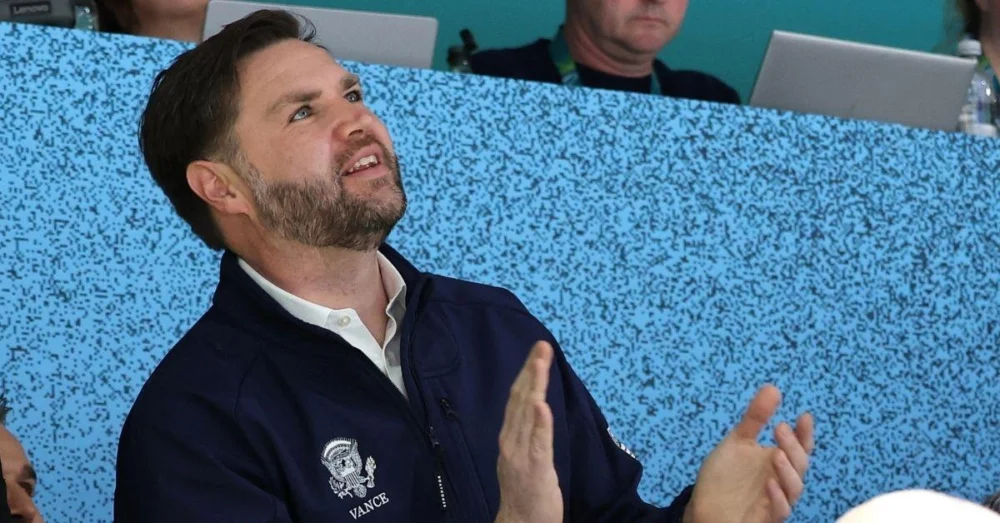
Vice President J.D. Vance’s official visit to Milan for the 2026 Winter Olympics has ignited significant controversy, drawing widespread criticism over severe traffic disruptions caused by his motorcade and the viral spread of unsubstantiated rumors regarding a "food plane" accompanying his delegation. The incident, intended as a show of support for American athletes, instead overshadowed their performances and fueled public indignation, highlighting the complex logistical and diplomatic challenges of high-profile international engagements.
Background to the Milan 2026 Winter Olympics Visit
The Winter Olympics represent a pinnacle of international sporting achievement and a crucial diplomatic stage. High-ranking government officials, including the U.S. Vice President, typically attend to bolster national pride, engage in bilateral talks, and demonstrate global solidarity. Milan, co-hosting the 2026 Games with Cortina d’Ampezzo, is a city renowned for its rich history, cultural heritage, and intricate urban landscape, characterized by ancient, often narrow, streets not originally designed for modern, large-scale vehicular traffic. The anticipation surrounding the Games was immense, with local authorities and residents alike keen to showcase Italian hospitality and organizational prowess.
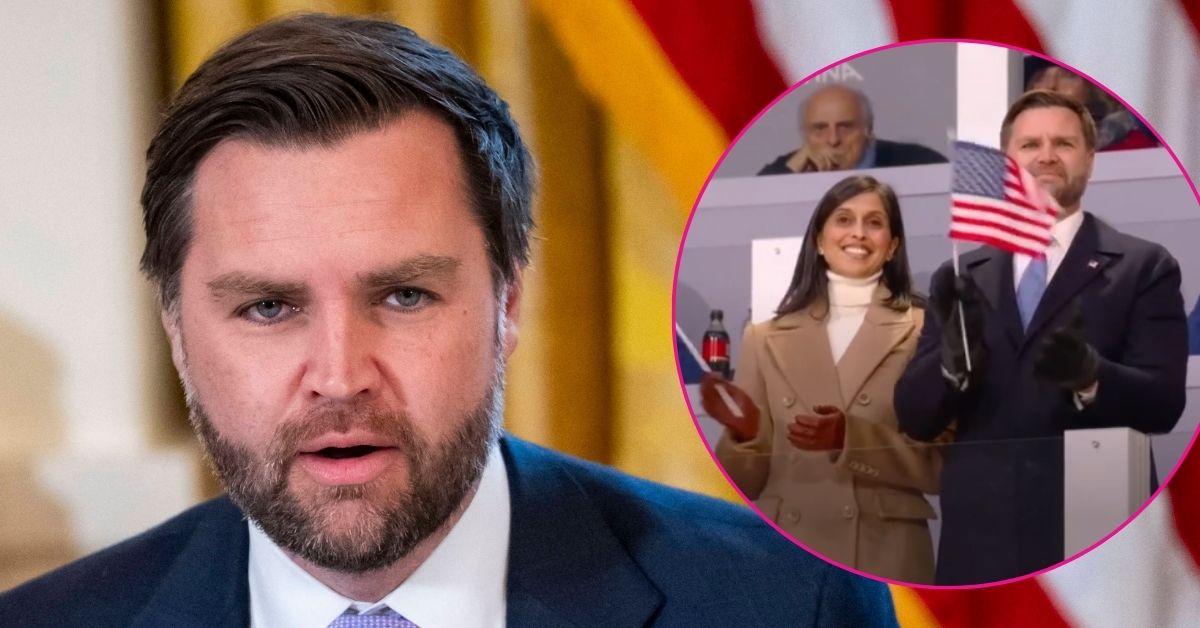
Vice President Vance’s presence was expected to be a standard diplomatic engagement, reinforcing U.S. commitment to international cooperation and sportsmanship. However, the meticulous planning usually associated with such visits appeared to clash with the realities on the ground, leading to unforeseen complications that quickly escalated into a public relations crisis.
Motorcade Gridlock Disrupts Olympic City
Reports from Milan detailed an immediate and substantial disruption upon the Vice President’s arrival. The security protocol for a U.S. Vice President mandates a robust motorcade, typically comprising a fleet of large, armored vehicles like Chevrolet Suburbans. While standard for American urban environments, these vehicles proved ill-suited for Milan’s historic thoroughfares. Eyewitnesses and local media described multiple instances where the expansive motorcade struggled to navigate tight turns and constricted lanes, leading to widespread gridlock across key areas of the city.
The resulting traffic jams were not merely an inconvenience; they had tangible consequences for both local commuters and, more critically, for the very athletes Vance was there to support. Routes to Olympic venues, already subject to increased security and event-related closures, became choked, paralyzing sections of the city. This created an atmosphere of frustration among residents and cast a shadow over the festive Olympic spirit. The inability of the motorcade to seamlessly integrate with Milan’s infrastructure quickly became a focal point of local and international media scrutiny.
Athlete’s Near-Miss Highlights Logistical Failures
One of the most concerning ramifications of the motorcade’s impact was its direct effect on participating athletes. U.S. figure skater Alysa Liu faced a particularly harrowing experience, according to her coach, Phillip DiGuglielmo. Speaking to The Washington Post, DiGuglielmo revealed that Liu "almost didn’t make it" to her scheduled event due to the severe gridlock caused by the Vice Presidential entourage. The stress of rushing through unprecedented traffic, coupled with the immense pressure of Olympic competition, put the athlete in a precarious position.
While Liu ultimately arrived and performed commendably, securing second place in the short program, the incident underscored the direct and potentially detrimental impact of high-level political visits on the very individuals they are meant to inspire. Coaches and team officials expressed concerns that such disruptions could compromise an athlete’s mental preparation and physical readiness, potentially affecting their performance on the world stage. The narrative of political protocol hindering athletic pursuit quickly resonated with the public, intensifying the negative sentiment surrounding Vance’s visit.
Public Outcry and Viral Discontent

The public reaction to the Vice President’s presence in Milan was overwhelmingly negative, amplified by social media. Local residents, already navigating the complexities of hosting a major international event, voiced their frustration at the additional burden imposed by the motorcade. Footage of stalled traffic and the unwieldy procession circulated widely online, drawing comparisons to perceived American excess and insensitivity to local conditions.
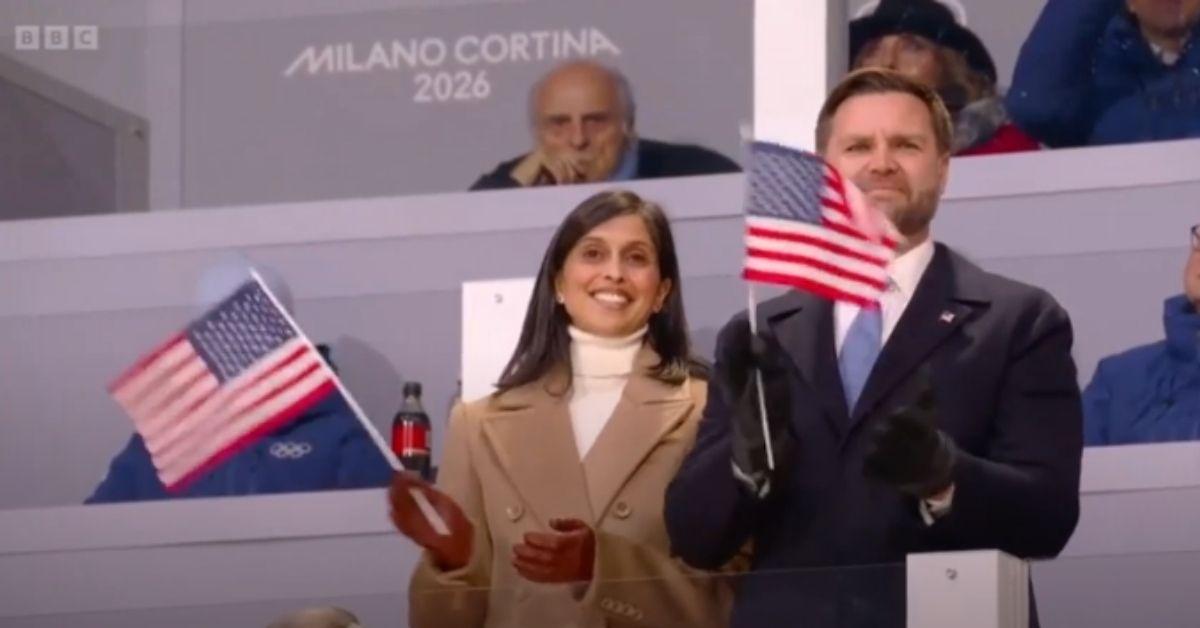
A viral tweet, originating from a prominent local journalist and quickly gaining traction across platforms, expressed "gratitude to those who booed him during the Olympics," reflecting a broader sentiment of dissatisfaction. This digital outcry culminated in a tangible display of disapproval during the Games’ opening ceremony. As Vice President Vance and his wife, Usha, were introduced, they were met with audible boos from sections of the crowd, a stark departure from the typical warm reception accorded to diplomatic representatives at such global events. This public rebuke served as a potent symbol of the local populace’s discontent and the perceived missteps of the U.S. delegation.
The "Food Plane" Rumors and Official Denial
Amidst the chaos and growing public backlash, a particularly outlandish rumor began to circulate online: the existence of a "food plane" dedicated solely to transporting food supplies for the Vice President and his entourage. Initial claims suggested a fleet of up to 14 aircraft was involved in bringing American provisions to Milan, a city celebrated globally for its culinary excellence. This speculation quickly gained traction, painting a picture of unparalleled extravagance and detachment from local culture, especially in a region proud of its gastronomic traditions. The notion of importing food to Italy, of all places, struck many as absurd and wasteful, further inflaming public opinion.
Vice President Vance’s office swiftly moved to address these allegations, issuing a strong denial. A spokesperson for the Vice President categorically dismissed the claims as "ridiculous and categorically false," emphasizing that such rumors were entirely unfounded. The office clarified that the Vice President and his family had adhered to standard diplomatic protocols, dining at official events hosted by Italian authorities and patronizing local restaurants throughout their visit. This official rebuttal aimed to quash the burgeoning narrative of American excess, but the viral nature of the rumor meant it had already taken root in public perception.
Analysis and Broader Implications
The incidents surrounding Vice President Vance’s visit to the Milan Winter Olympics underscore several critical challenges in modern diplomacy and international event management. Firstly, they highlight the need for greater cultural and logistical sensitivity when high-profile delegations visit cities with unique urban infrastructures. The one-size-fits-all approach to security motorcades, while effective in some contexts, proved counterproductive in Milan, creating more problems than it solved. This incident could prompt a reevaluation of security protocols for such visits, particularly in historic European cities.
Secondly, the swift and potent public reaction, amplified by social media, demonstrates the diminished tolerance for perceived political privilege and logistical disruption. In an era of heightened awareness regarding environmental impact and global resource allocation, the idea of an extensive motorcade or, worse, a "food plane," can quickly ignite public outrage, regardless of its factual basis. This points to a growing demand for transparency and accountability from political leaders on the international stage.

Impact on Diplomatic Relations and Political Optics
While unlikely to cause a lasting diplomatic rift, the incident certainly presented an awkward moment for U.S.-Italian relations. The host nation’s efforts to ensure a smooth and successful Olympic Games were undeniably impacted by the logistical challenges posed by the Vice Presidential visit. Such disruptions, even if unintentional, can create friction and reflect poorly on the visiting delegation’s consideration for its hosts.
Domestically, the backlash could have implications for Vice President Vance’s public image. In a political climate often characterized by debates over elitism and governmental efficiency, the narrative of a disruptive and extravagant Olympic visit could reinforce negative stereotypes. The incident might fuel criticisms regarding a perceived disconnect between political elites and the everyday concerns of citizens, both at home and abroad. For a Vice President potentially eyeing higher office, managing such public perception is crucial.
Reactions, Consequences, and Next Steps
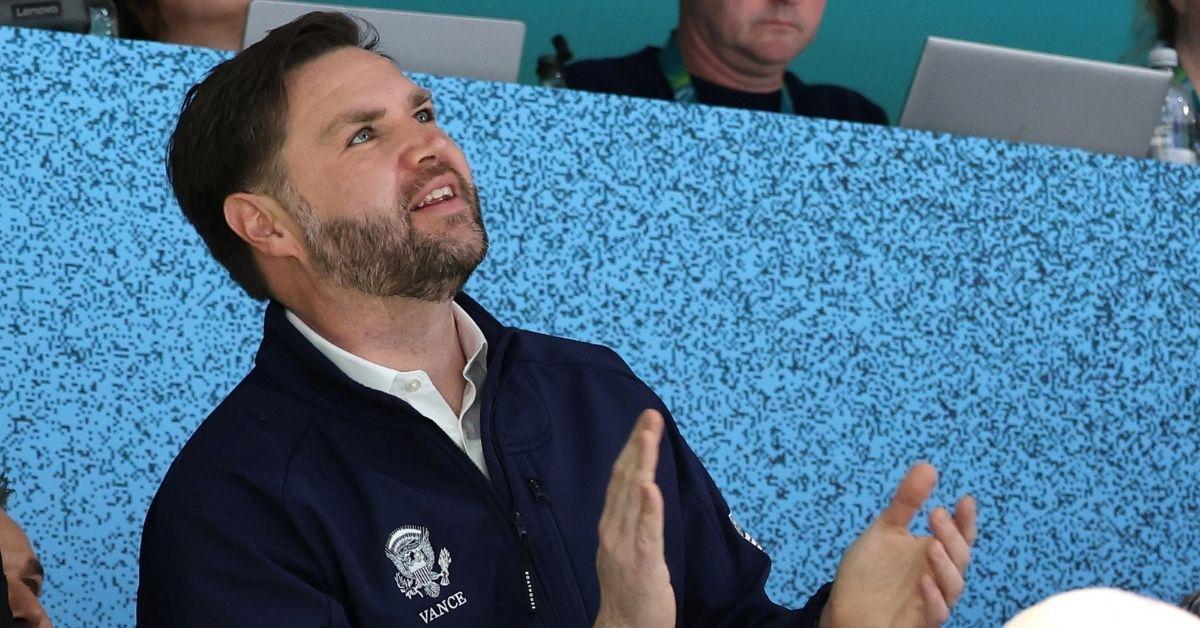
In the immediate aftermath, calls for a review of logistical planning for high-level international visits gained momentum. Olympic organizing committees, host city administrations, and diplomatic security agencies may need to collaborate more closely to develop bespoke protocols that balance security imperatives with local realities and public convenience. The incident serves as a cautionary tale about the power of social media to shape narratives, even when based on rumor, and the importance of swift, clear communication from official sources.
Moving forward, the U.S. administration will likely undertake an internal review of the Milan visit to understand the planning shortcomings and prevent similar occurrences. For Vice President Vance, the challenge will be to mitigate the negative publicity and reassert a focus on the intended purpose of his visit: supporting American athletes and fostering international goodwill. The Milan 2026 Winter Olympics will undoubtedly be remembered not only for the athletic feats but also for the unexpected diplomatic drama that unfolded off the ice and slopes.
A Strong Closing Section
The controversy surrounding Vice President J.D. Vance’s visit to the 2026 Winter Olympics in Milan leaves a lasting impression, illustrating the delicate balance required in high-stakes international events. The convergence of rigid security protocols, an unyielding urban landscape, and the rapid spread of information and misinformation across digital platforms created a perfect storm of public dissatisfaction. This episode serves as a critical case study for future diplomatic engagements, underscoring the imperative for nuanced planning, cultural awareness, and agile communication to ensure that political presence enhances, rather than detracts from, the spirit and success of global gatherings. The legacy of the Milan Games will now carry the indelible mark of a Vice Presidential visit that generated more headlines for its logistical mishaps and viral rumors than for its intended message of international camaraderie and athletic excellence.