Tehran has reiterated its readiness for diplomatic engagement with the United States regarding its nuclear program, while simultaneously vowing a fierce defense against any American military action, a stance articulated amid escalating tensions and the prospect of renewed negotiations. The Iranian Ministry of Foreign Affairs spokesman, Esmaeil Baghaei, declared on Monday that any U.S. strike, regardless of its scale, would be unequivocally perceived as an "act of aggression." This assertion follows remarks from U.S. President Donald Trump, who indicated he was contemplating military action if a nuclear deal with Iran could not be achieved.
Standoff Over Nuclear Program Intensifies
The diplomatic tightrope walk between Washington and Tehran has reached a critical juncture, with both sides engaged in a delicate dance of negotiation and deterrence. The looming threat of military intervention, coupled with Iran’s firm resolve to protect its sovereignty, paints a stark picture of the volatile geopolitical landscape. The international community watches closely, aware that the outcome of these discussions could have profound implications for regional stability and global security.
The statements from Iranian officials underscore a dual strategy: a persistent pursuit of a negotiated settlement while maintaining an unyielding posture against perceived threats. This approach signals Iran’s determination to safeguard its interests, whether through diplomatic channels or through robust self-defense. The upcoming round of talks, scheduled to take place in Geneva, is therefore laden with the weight of these competing dynamics, amplifying the stakes for all parties involved.
Escalating Rhetoric and Military Posturing
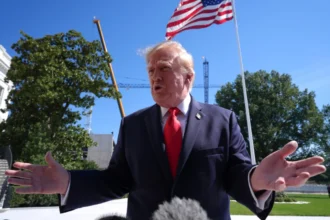
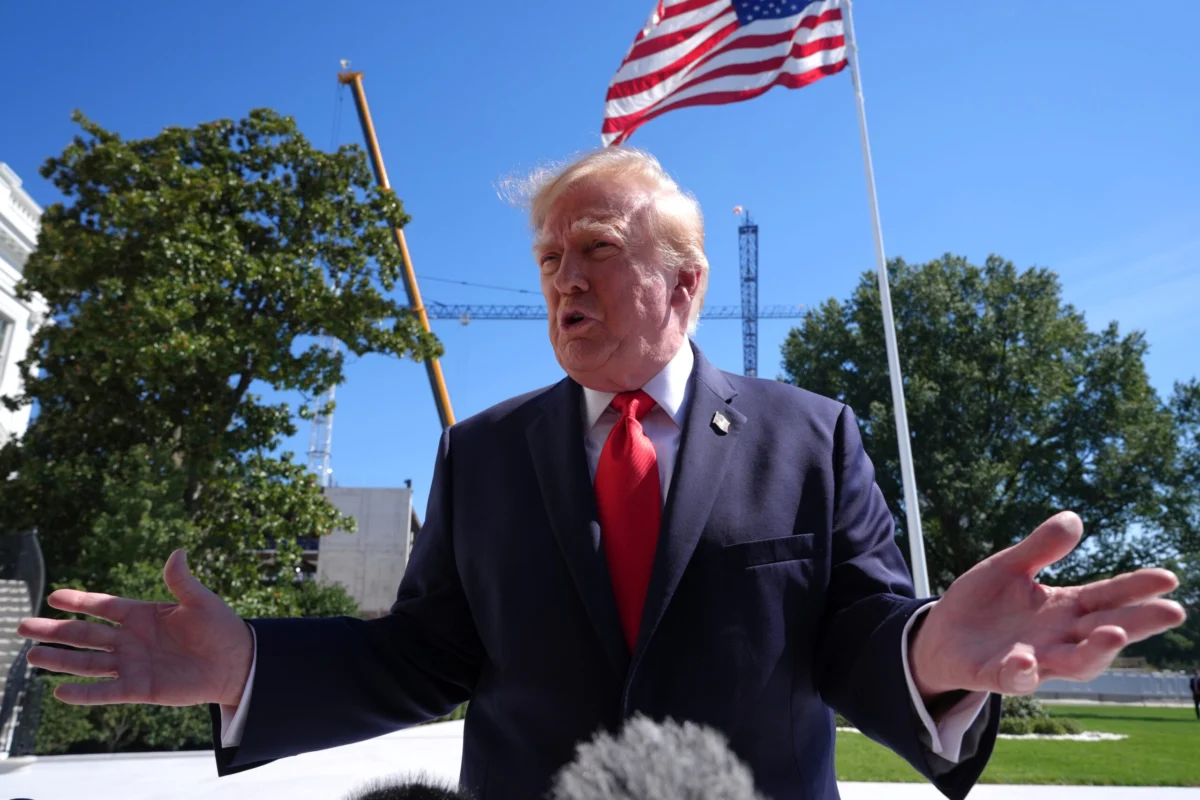
President Trump’s contemplation of limited strikes on Iran, revealed on Friday, served as a significant catalyst for Iran’s renewed warnings. When pressed by reporters, Trump stated, "I guess I can say I am considering that," in response to a question about potential military action if an agreement on the nuclear program remained elusive. This direct acknowledgement of potential military intervention from the U.S. president injected a new level of urgency into the already fraught diplomatic atmosphere.
Iranian President Masoud Pezeshkian, on Sunday, offered a more nuanced perspective, characterizing the nuclear talks with the U.S. as having produced "encouraging signals." However, he tempered this optimism with a clear warning that Tehran was prepared for any eventuality. His message, conveyed via the social media platform X, emphasized Iran’s commitment to peace and regional stability, even as it maintained a readiness for conflict.
Diplomatic Efforts Under Omani Mediation
The latest round of indirect talks between the U.S. and Iran, facilitated by Omani mediation, concluded in Switzerland on Tuesday. These discussions occurred against the backdrop of a substantial U.S. military buildup in the region, reportedly the most significant since the 2003 invasion of Iraq. The resumption of talks in Oman earlier this month signaled a renewed, albeit fragile, commitment to dialogue.
A third round of indirect negotiations is slated for Thursday in Geneva, though the U.S. had not yet officially confirmed its participation at the time of reporting. Oman’s official statement on Sunday suggested a "positive push to go the extra mile towards finalizing the deal," indicating a degree of optimism from the mediating party. This persistent engagement, despite the underlying tensions, highlights the ongoing efforts to de-escalate the situation through diplomatic means.
The Iranian delegation has been led by Foreign Minister Abbas Araghchi, a seasoned diplomat deeply involved in the country’s nuclear negotiations. On the U.S. side, the discussions have reportedly involved envoy Steve Witkoff and Jared Kushner, President Trump’s son-in-law, reflecting the high-level attention dedicated to these sensitive talks. The involvement of figures close to the president underscores the strategic importance the U.S. administration places on resolving the nuclear issue with Iran.
Iran’s Unwavering Stance: No Capitulation
Ministry of Foreign Affairs spokesman Esmaeil Baghaei was emphatic in dismissing any suggestions that a temporary agreement had been reached between Iran and Washington. He characterized speculation surrounding the nuclear talks as a common occurrence but stressed that such rumors lacked a factual basis. "We do not confirm any of the speculation," Baghaei stated during a media briefing. "The details of any negotiation process are discussed in the negotiating room."
Baghaei’s remarks directly challenged any notion of Iranian acquiescence, particularly in the face of perceived U.S. pressure. He asserted that Iran had "never capitulated" throughout its history. This historical context is crucial to understanding Iran’s current negotiating posture, which is deeply rooted in a national identity that resists foreign imposition.
Tohid Asadi, reporting for Al Jazeera from Tehran, described the atmosphere in the Iranian capital as a "mixture of optimism and pessimism." He characterized Iran’s official statements as "pragmatically calibrated cautiousness," particularly in light of the significant American military buildup in the region. This suggests that while diplomatic avenues are being actively pursued, Iran is simultaneously preparing for potential regional confrontations.
Dual Readiness: Diplomacy and Defense
Asadi further elaborated that Iran was strategically considering both scenarios: "on the basis of readiness for diplomatic engagement on the one hand and regional confrontation on the other hand." This dual approach reflects a pragmatic assessment of the geopolitical realities, acknowledging the potential for both successful negotiation and military escalation. The Iranian leadership appears to be hedging its bets, ensuring preparedness for whichever path the situation ultimately takes.
The Trump administration, meanwhile, has been transparent about its intensified military deployment in the Middle East during the ongoing talks. In a Sunday interview with Fox News, U.S. envoy Steve Witkoff reportedly questioned why Iran had not "capitulated" in the face of this formidable military presence. This statement hints at a U.S. strategy that combines diplomatic overtures with a clear display of military might, aiming to exert pressure on Tehran.
Baghaei’s response to such sentiments was direct and unyielding. He emphasized that the Iranian people had "never capitulated at any point in their history," directly refuting the notion that military pressure would lead to their submission. He also highlighted the recurring nature of contradictory claims in international diplomacy, suggesting that Iran was accustomed to navigating such complex narratives.
The Path Forward: Goodwill and Seriousness Required
The Iranian Foreign Ministry spokesman suggested that judgment on the negotiating approaches of both Iran and the United States should be left to the "discerning people of Iran and the country’s political elites." This statement underscores a degree of domestic accountability and a desire for transparency in the negotiation process. It also implies a measured assessment of the U.S. administration’s intentions and strategies.
Baghaei cautioned that "No negotiation that begins with an imposed burden and prejudgement will naturally reach a result." This statement directly addresses what Iran perceives as preconditions or undue pressure from the U.S. side, suggesting that a more equitable and respectful approach is necessary for productive dialogue. He reiterated that Iran’s positions on its nuclear program and the lifting of sanctions were clearly defined.
Ultimately, Baghaei concluded by emphasizing the fundamental requirements for successful negotiations. "Any negotiation process requires joint action, and there is hope for results if there is goodwill and seriousness on both sides," he stated. This closing remark encapsulates Iran’s core message: a willingness to engage in good faith diplomacy, but only on the condition of reciprocal seriousness and a shared commitment to finding a mutually acceptable resolution. The coming days and weeks will reveal whether this call for goodwill and seriousness can translate into tangible progress in the high-stakes talks between Iran and the United States.