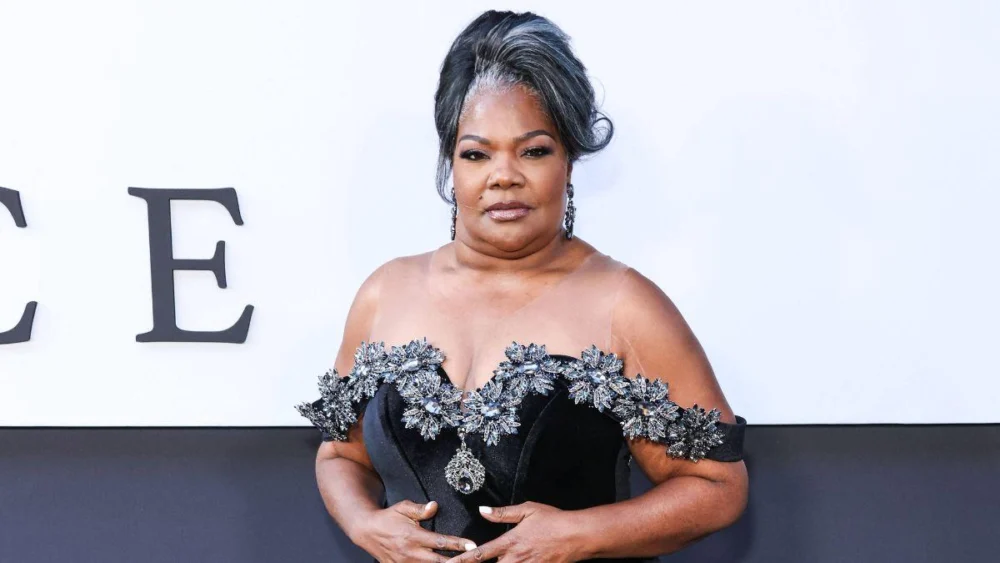
Acclaimed actress and comedian Mo’Nique recently issued an impassioned, tearful plea to her fans, urging them to exercise extreme caution and critical thought before adopting GLP-1 weight-loss drugs. In a video shared online, the Oscar winner voiced profound concerns about the burgeoning popularity of these medications, questioning their unknown long-term implications for both physical and mental well-being. Her emotional appeal comes amidst a broader societal embrace of GLP-1s, frequently fueled by celebrity endorsements and social media trends, prompting a renewed focus on informed health decisions.
The Rise of GLP-1 Medications
Glucagon-like peptide-1 (GLP-1) receptor agonists are a class of medications initially developed to manage type 2 diabetes. Drugs like Ozempic (semaglutide), Wegovy (also semaglutide, specifically for weight management), and Mounjaro (tirzepatide) have gained widespread attention for their efficacy in promoting significant weight loss. These medications work by mimicking a natural hormone that targets areas of the brain involved in appetite regulation, slows gastric emptying, and helps regulate blood sugar levels, leading to reduced food intake and a feeling of fullness.
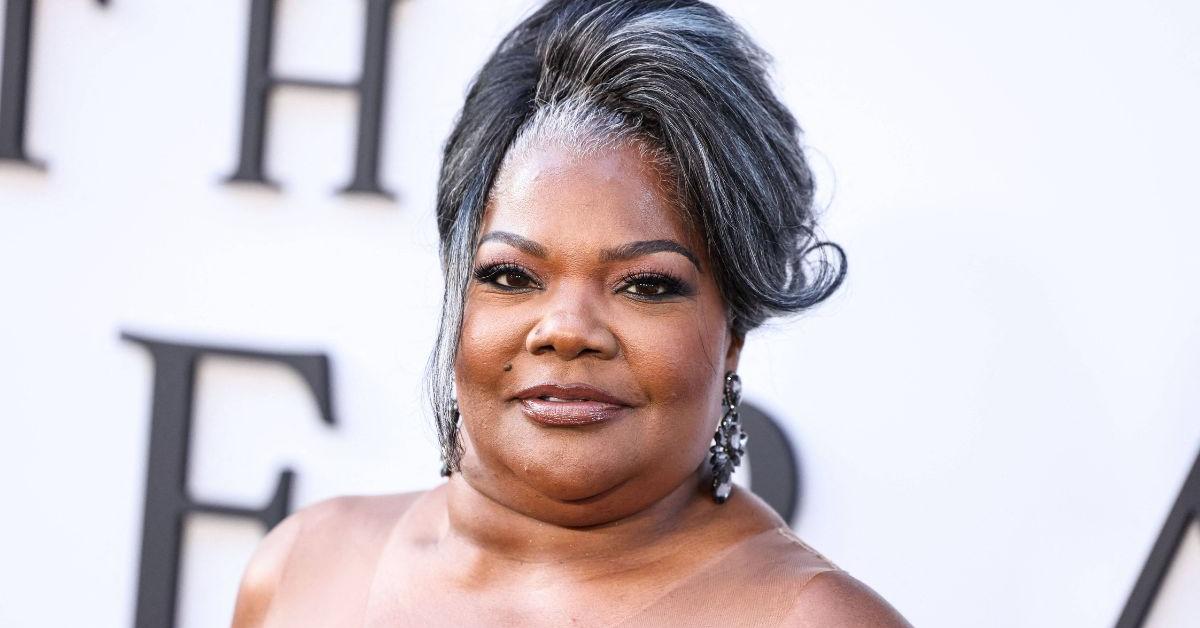
The past few years have seen an unprecedented surge in demand for GLP-1 weight-loss drugs, transforming them from niche diabetes treatments into mainstream solutions for chronic weight management. This exponential growth has been significantly amplified by discussions among high-profile celebrities, who have openly shared their experiences with these drugs, further propelling their visibility and perceived desirability among the general public. However, this rapid adoption has also ignited vigorous debate among medical professionals and public health advocates regarding their appropriate use and the potential for unforeseen consequences.
Mo’Nique’s Heartfelt Warning
In her deeply personal video message, Mo’Nique became visibly emotional as she confronted the trend, directly challenging viewers to consider the full scope of what they are introducing into their bodies. Her central inquiry revolved around the lingering uncertainties surrounding GLP-1 weight-loss drugs: "What are the long-term effects? What will it do to your body? Your mind? What will it do to us five years from now, 10 years from now?" she pressed, highlighting a perceived gap in public understanding regarding the comprehensive impact of these powerful pharmaceuticals.
The comedian, known for her candidness, emphasized that while the immediate physical transformations might be appealing, the absence of extensive long-term data warrants significant apprehension. She articulated a fear that individuals are not fully comprehending the potential systemic changes these medications could induce, beyond just shedding pounds. Her message underscored a call for deeper personal responsibility and research before succumbing to what she perceives as a prevailing cultural current.

Deconstructing the Influence of Trends
Mo’Nique specifically criticized the pervasive influence of social media and celebrity culture, suggesting they create an environment where individuals are "caught up in trends." She observed that the public, particularly "ordinary individuals," are frequently swayed by "big stars" who openly discuss their use of GLP-1 weight-loss drugs, often without a complete disclosure of the risks or the broader context of their medical decisions. This, she argued, fosters an illusion of effortless transformation that can overshadow critical health considerations.
Her concern extended beyond physical health, delving into the psychological and emotional impact. Mo’Nique expressed distress that these trends might be "taking away our willpower," "taking away our fight," and ultimately diminishing "our ability to say, I believe in myself, I’m [going to] trust the process." Through her tears, she delivered a powerful appeal for self-love and self-trust, imploring viewers, "Love yourself enough not to be tricked. Because we’re so easily tricked, especially us." While she refrained from judging individual choices, Mo’Nique stated her compulsion to speak out, particularly for younger generations who might be grappling with these complex decisions.
Kate Winslet Echoes Caution on Weight-Loss Drugs
Adding another significant voice to the growing chorus of caution, Academy Award-winning actress Kate Winslet has also expressed firm opposition to the escalating reliance on GLP-1 weight-loss drugs. Winslet characterized the trend as both "terrifying" and "devastating," articulating profound misgivings about the public’s understanding of the substances they are ingesting. "Do they know what they are putting in?" she questioned pointedly, highlighting a perceived lack of informed consent or comprehensive awareness among users.

Winslet elaborated on her concerns, stating that "The disregard for one’s health is terrifying. It bothers me now more than ever. It is f—— chaos out there." Her critique extended to the broader societal implications of tying personal worth to physical appearance, particularly in the context of rapid weight loss facilitated by medication. She deemed it "devastating" for an individual’s "self-esteem" to be so intricately linked to their looks, advocating instead for an embrace of natural physiological processes, including aging. Both Mo’Nique and Winslet, from different vantage points, are championing a more thoughtful, self-aware approach to health and body image, urging a departure from superficial trends.
The Broader Public Health Dialogue
The warnings from figures like Mo’Nique and Kate Winslet resonate with an ongoing and complex dialogue within the medical and public health communities regarding GLP-1 weight-loss drugs. While these medications have demonstrated significant efficacy in addressing obesity and related metabolic conditions, offering a lifeline for many struggling with severe weight issues, their rapid adoption for purely aesthetic purposes raises important questions.
Medical experts acknowledge the substantial benefits, including notable weight reduction, improved blood sugar control, and potential cardiovascular advantages for individuals with specific health profiles. However, they also highlight a range of known side effects, which can include nausea, vomiting, diarrhea, constipation, and, in rarer instances, more serious conditions such as pancreatitis, gallbladder issues, and a potential risk of thyroid C-cell tumors (observed in animal studies, human relevance still being studied). The lack of long-term human data, particularly concerning the effects of sustained use over decades, remains a critical area of research and discussion.

Navigating Societal Pressures and Body Image
The celebrity admonitions also shine a spotlight on the intense societal pressures surrounding body image and the pursuit of ideal aesthetics. In an era dominated by visual media, the desire for rapid physical transformation is often amplified, making GLP-1 weight-loss drugs appear as an attractive, expedited solution. This cultural backdrop, Mo’Nique suggests, can erode individuals’ innate capacity for self-acceptance and the discipline required for sustainable, holistic health practices.
The ethical dimensions of widespread GLP-1 use also come into focus, encompassing issues of equitable access, the high cost of these medications, and the potential for misuse in individuals without a clinical need for weight management. Healthcare providers face the challenge of thoroughly educating patients on the benefits, risks, and appropriate context for these drugs, ensuring that decisions are based on informed consent rather than fleeting trends or external pressures. The overarching message from public figures now underscores the importance of valuing intrinsic health and self-worth over external validation derived from transient physical changes.
Looking Ahead: Informed Decisions in a Rapidly Evolving Landscape
The emotional appeals from Mo’Nique and the pointed critiques from Kate Winslet underscore a significant moment in the public discourse surrounding GLP-1 weight-loss drugs. Their warnings serve as a powerful counter-narrative to the widespread enthusiasm, urging individuals to look beyond immediate results and critically evaluate the deeper, long-term implications of these powerful medications.
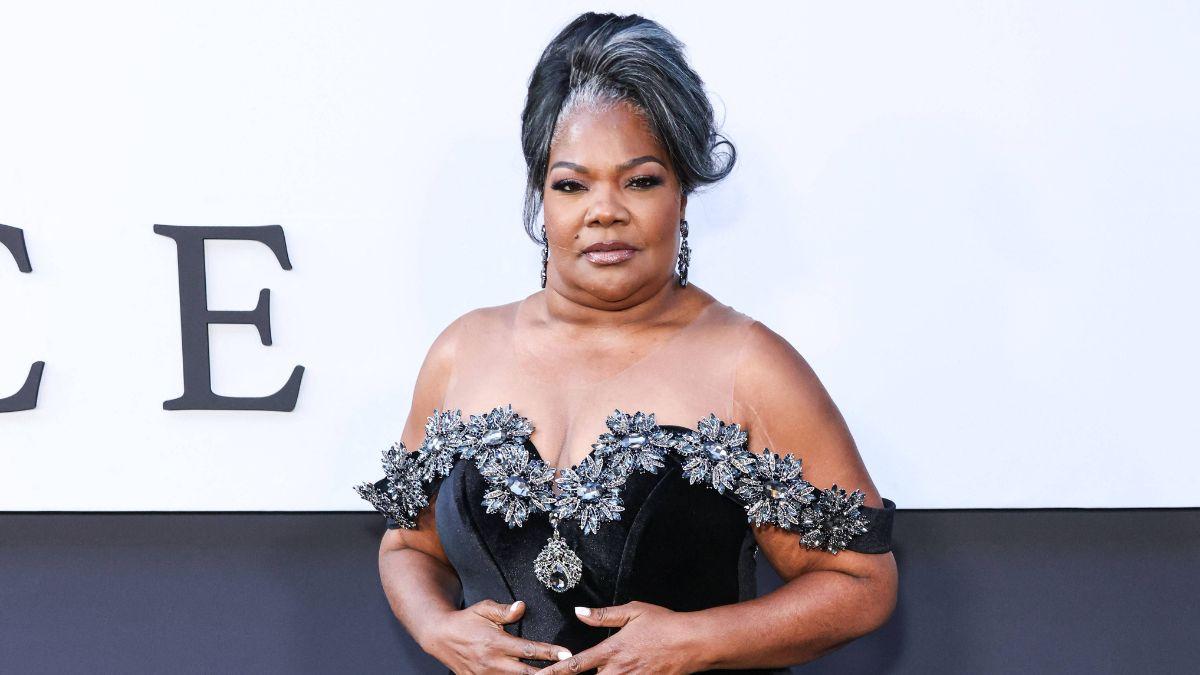
As the pharmaceutical market for GLP-1 weight-loss drugs continues to expand, and as more individuals consider their use, the emphasis on comprehensive patient education and robust scientific inquiry into their long-term effects becomes paramount. The celebrity warnings prompt a crucial societal reflection on the pursuit of health and beauty, advocating for a foundation built on informed choice, self-acceptance, and a thorough understanding of what we put into our bodies. The full scope of these medications’ impact, both individually and culturally, remains an evolving narrative that demands ongoing scrutiny and open dialogue.