The Federal Communications Commission (FCC) has launched an investigation into ABC’s popular daytime talk show, The View, for potential violations of the long-standing “equal time rule,” igniting a significant political debate over media regulation and free speech. This scrutiny comes in the wake of a recent, controversial shift in FCC guidance that redefines how political appearances on talk shows are treated under federal law. The move has sent ripples through the broadcasting industry, forcing networks to re-evaluate their approach to political guests during election cycles.
Understanding the Equal Time Rule and its Evolution
At the heart of the controversy is Section 315 of the Communications Act of 1934, commonly known as the “equal opportunities” or “equal time” rule. This federal regulation mandates that if a broadcast station permits one legally qualified political candidate to use its airwaves, it must afford equal opportunities to all other opposing candidates for the same office. The rule’s original intent was to ensure fairness and prevent broadcasters, who operate on public airwaves, from favoring one candidate over another, thereby influencing the outcome of elections.
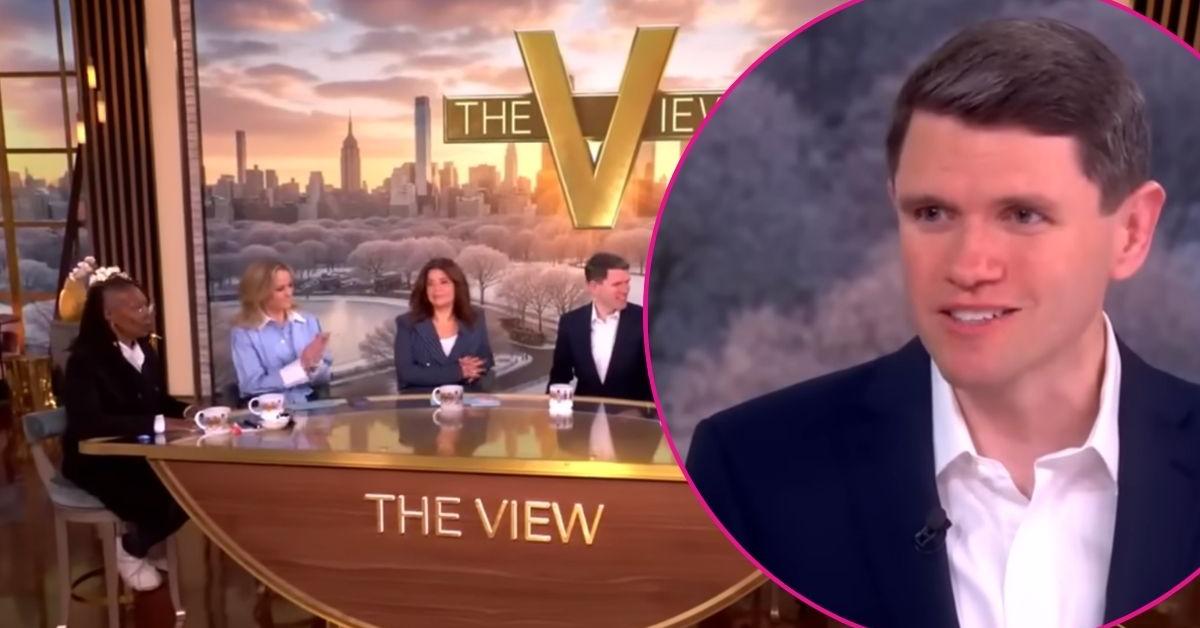
Historically, the FCC has maintained certain exemptions to this rule, particularly for appearances by candidates in "bona fide" news events, such as regularly scheduled news programs, news interviews, press conferences, and legitimate on-the-spot news coverage. For decades, many daytime and late-night talk shows were largely considered to fall under the "bona fide news interview" exemption, granting them flexibility in booking political guests without immediately triggering equal time obligations for every opposing candidate. This exemption allowed shows like The View and The Late Show to host politicians for substantive discussions without the immense logistical and financial burden of providing equivalent airtime to every challenger, no matter how obscure.
However, in January, the Republican-led FCC issued new guidance that dramatically narrowed this interpretation. The revised policy explicitly states that daytime and late-night talk shows will no longer be automatically classified as “bona fide” news programs exempt from the equal time requirements. This administrative shift marks a significant departure from established precedent, effectively requiring these entertainment-oriented shows to treat political candidate appearances much more carefully, akin to paid political advertising, or face regulatory action.
The View’s Regulatory Challenge and Congressional Candidacies
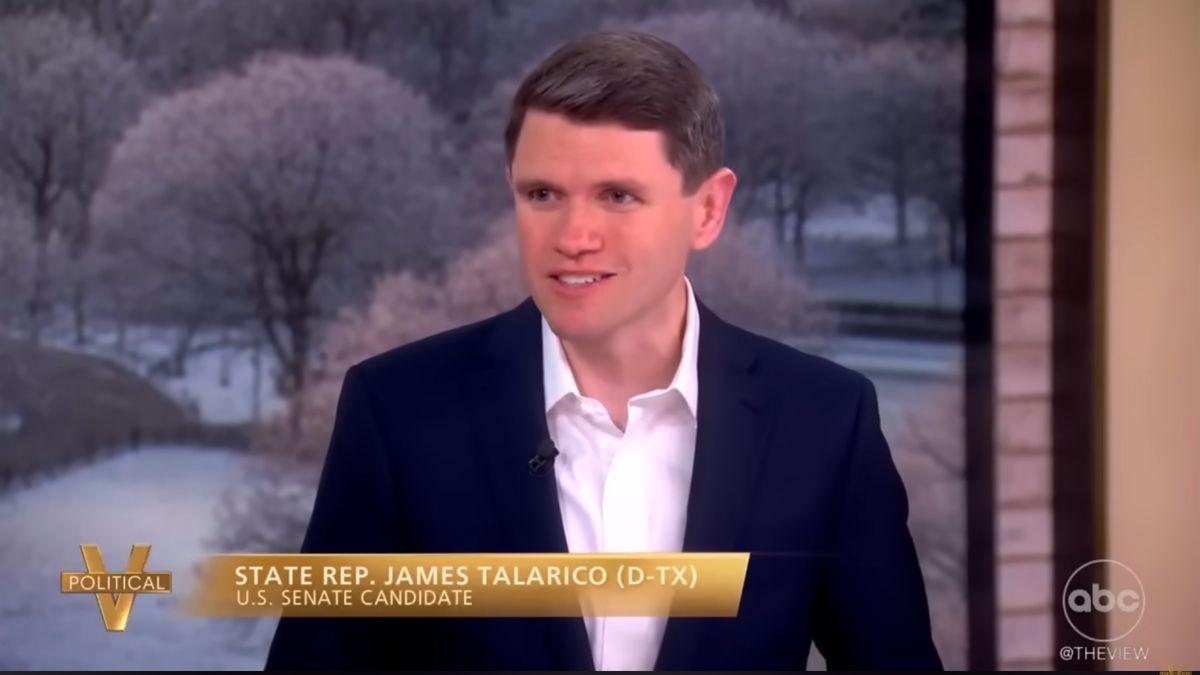
The FCC’s enforcement action against The View directly stems from this altered regulatory landscape. Texas State Representative James Talarico, a Democrat vying for a U.S. Senate seat, appeared on The View on February 2. While his primary opponent, U.S. Representative Jasmine Crockett, had also previously appeared on the show, the timing and context of Talarico’s recent segment, under the new FCC guidance, raised red flags. FCC Chairman Brendan Carr confirmed the ongoing investigation, stating, “The FCC has an enforcement action underway on that, and we’re taking a look at it.” The core of the inquiry will be to determine whether ABC, as the broadcaster of The View, fulfilled its obligation to provide comparable opportunities to Talarico’s electoral rivals following his appearance.
The stakes are considerable for ABC and other networks that frequently host political figures on their talk shows. A finding of non-compliance could lead to various penalties, including fines or, in extreme cases, challenges to license renewals. Beyond the immediate legal ramifications, the investigation casts a chilling effect across the broadcast industry, prompting a re-evaluation of long-standing practices regarding political engagement on non-traditional news platforms.
The Colbert Controversy: A Parallel Incident and its Viral Impact
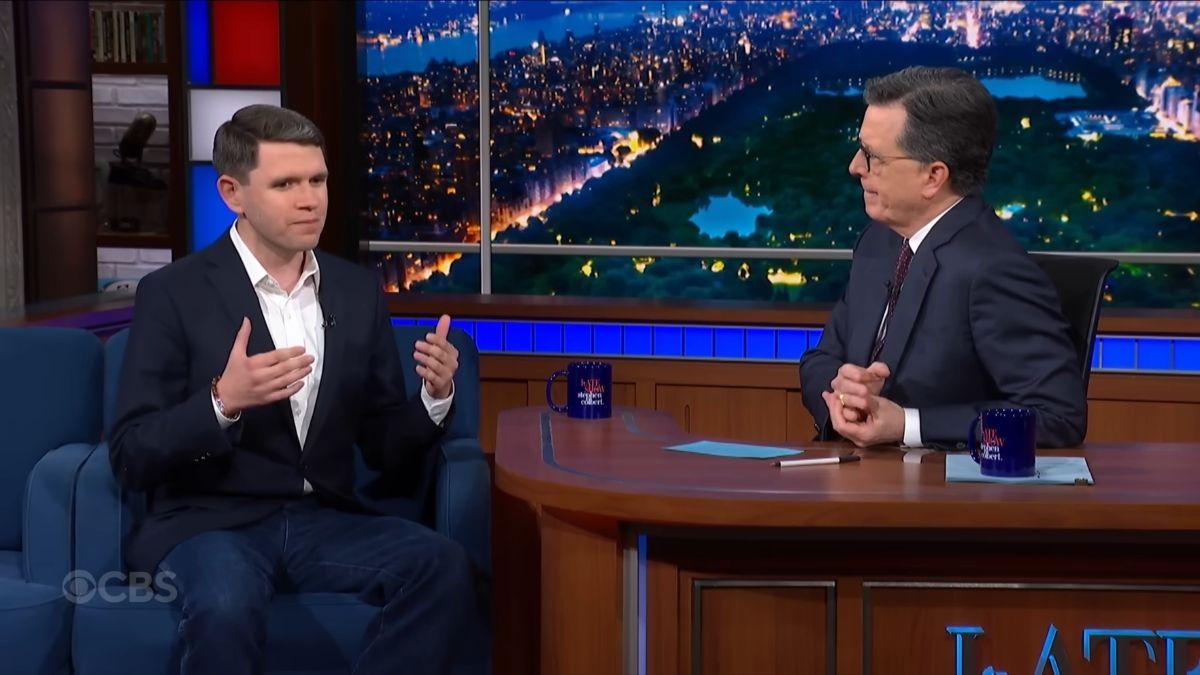
The regulatory spotlight on The View is intensified by a parallel controversy involving CBS’s The Late Show with Stephen Colbert. Just weeks prior, Colbert publicly disclosed that network lawyers had barred him from airing an interview with the same James Talarico due to concerns over the FCC’s equal time rule. This decision, a direct consequence of the new FCC guidance, prevented the interview from reaching a broad broadcast television audience.
However, the incident inadvertently triggered what many observers termed a “Streisand effect.” Instead of suppressing Talarico’s message, the cancellation propelled it into virality. Colbert subsequently posted the unaired interview to YouTube, where it rapidly garnered over 6 million views. This digital dissemination proved highly effective, as the equal time rule applies exclusively to broadcast television and radio, not to online streaming or internet platforms. Talarico leveraged this unexpected surge in attention to his advantage, reporting an impressive $2.5 million in campaign contributions within 24 hours of the controversy going public. This episode starkly highlighted the growing disparity in regulatory oversight between traditional broadcast media and the unfettered digital landscape, offering a powerful case study in modern political campaigning.

FCC Chairman Brendan Carr, an appointee of former President Donald Trump, expressed his amusement over the Colbert situation. He commented that watching the fallout “was probably one of the most fun days I’ve had in the job,” adding that Talarico “took advantage” of the attention “apparently for the purpose of raising money and getting clicks.” His remarks underscored the political undertones of the FCC’s new guidance and the partisan divide surrounding its application.
Partisan Divides and the Future of Media Regulation
The FCC’s revised guidance and subsequent enforcement actions have not been met with universal approval. Democratic FCC Commissioner Anna Gomez voiced strong criticism, arguing that the agency lacks the authority “to pressure broadcasters for political purposes or to create a climate that chills free expression.” Her statement reflects concerns that the new interpretation could be perceived as politically motivated, potentially stifling robust political discourse on television and infringing upon broadcasters’ editorial independence. Critics argue that the move could disproportionately harm lesser-known candidates who rely on wider media exposure to compete against incumbents or well-funded rivals.
The debate extends beyond mere regulatory technicalities, touching upon fundamental questions about the role of media in a democratic society. As political polarization deepens, the lines between entertainment and news have become increasingly blurred. Talk shows, once considered lighthearted fare, often delve into serious political discussions, influencing public opinion and shaping narratives. The FCC’s actions suggest a re-assertion of regulatory control over these platforms, treating them with the same stringent impartiality expected of traditional news outlets during election cycles.
On-Air Sparks on The View Fuel the Firestorm
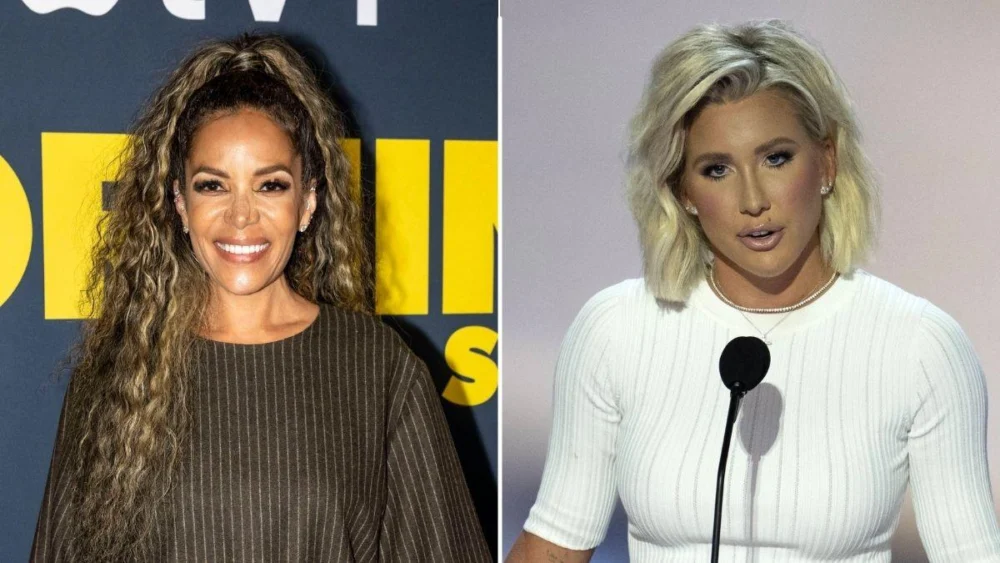
Adding another layer to The View‘s entanglement in the political firestorm was a heated on-air exchange that occurred shortly after the FCC’s guidance change. During a segment discussing former President Donald Trump’s Black History Month event at the White House, conservative guest co-host Savannah Chrisley defended Trump against accusations of racism. Chrisley stated, “I think… what’s so hard for me to witness is people stating that the president is a racist.” Co-host Sunny Hostin immediately interrupted, asserting, “He is a racist.” The exchange escalated, with Hostin reiterating, “Let’s call a thing, a thing. Donald Trump is a racist,” to which Chrisley countered, “He’s not.”
This contentious debate quickly drew a sharp reaction from the White House. Spokesman Davis Ingle issued a statement calling Hostin “an extremely unlikeable, talentless hack” and claiming, “No President has done more for black Americans than President Trump has.” This public admonishment from the White House underscored the highly charged political atmosphere surrounding The View and its hosts, further intertwining the show with partisan battles and highlighting the intense scrutiny faced by public figures in the media landscape.
Broader Implications and the Road Ahead
The FCC’s investigation into The View signals a potentially transformative moment for broadcast media, political campaigning, and regulatory oversight in the United States. If the FCC maintains its strict interpretation of the equal time rule for talk shows, networks will likely become more cautious about inviting political candidates, particularly those with numerous primary challengers. This could inadvertently reduce opportunities for candidates to reach voters through popular daytime and late-night programming, shifting more political discourse to unregulated digital platforms or traditional, often more formal, news interviews.
The ongoing enforcement action against The View will undoubtedly set a precedent for how the equal time rule is applied in the modern media environment. It highlights the inherent tension between regulatory mandates designed to ensure fairness and the principles of free expression and journalistic autonomy. As the 2026 election cycle approaches, broadcasters, political campaigns, and the public will closely watch the outcome of this investigation, which promises to reshape the contours of political communication on America’s airwaves. The FCC’s actions underscore a renewed commitment to enforcing broadcast regulations in an era where the lines between entertainment, information, and political advocacy are constantly evolving.