Eleven South African men who were allegedly lured into fighting for Russia in the ongoing war in Ukraine are set to return to their home country, South African officials confirmed Tuesday. The repatriation marks a significant diplomatic achievement for Pretoria, which has been working to secure the safe return of its citizens caught in the conflict.
The presidency in South Africa announced late last year that it had received "distress calls" from a total of 17 men who claimed they were tricked into joining mercenary forces and found themselves in the midst of intense fighting in Ukraine’s eastern Donbas region. This latest announcement brings the total number of repatriated men to 15, with two others still in Russia.
Of the two remaining South Africans in Russia, one is currently hospitalized, while the other is undergoing processing before his planned return. The successful facilitation of these repatriations has been a key focus for the South African government, which has emphasized its commitment to the welfare of its citizens abroad.
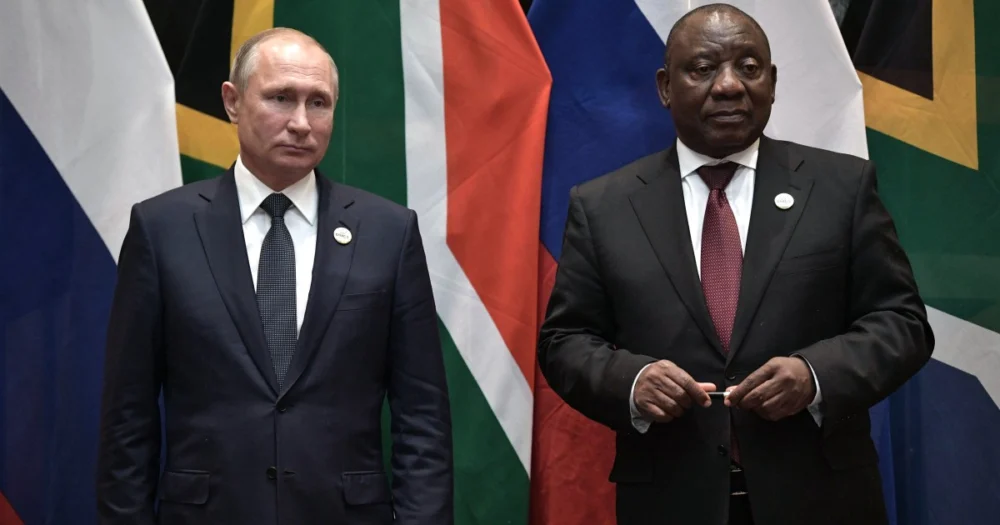
President Cyril Ramaphosa expressed "heartfelt gratitude" to Russian President Vladimir Putin for his support in facilitating the return of the men. The presidency stated that Putin responded positively to Ramaphosa’s appeal, and the repatriations were expedited through diplomatic channels following a commitment made by the Russian leader earlier this month.
The South African government has launched an ongoing investigation into the circumstances surrounding the recruitment of these young men into mercenary activities. This probe aims to uncover the full details of how they were deceived and ended up on the front lines of the Russia-Ukraine conflict.
South African law strictly prohibits its citizens from engaging in combat for foreign armies without explicit government authorization. The recruitment of South Africans for mercenary roles in foreign conflicts is a serious matter that the government is actively addressing.
Recent months have seen a disturbing pattern emerge across several African nations, including South Africa, Kenya, and Zimbabwe. Reports have surfaced detailing how young men were fraudulently recruited for overseas employment opportunities, only to discover they were being coerced into fighting in the Russia-Ukraine war.
The scale of African involvement in the conflict has been noted by Ukrainian officials. In November, Ukraine’s foreign minister stated that over 1,400 citizens from 36 African countries had been identified among Russian ranks. This figure underscores the broad geographic reach of these deceptive recruitment schemes.
Similarly, Kenya’s National Intelligence Service reported last week that more than 1,000 Kenyans have been recruited to fight in the war, with 89 currently on the front lines. These reports highlight a growing trend of vulnerable individuals from the continent being exploited for military purposes.
Lured by Deceptive Employment Offers
The South African investigation into the recruitment of the 17 men is reportedly examining the roles of several individuals, including Duduzile Zuma-Sambudla, the daughter of former South African President Jacob Zuma. She has denied any wrongdoing, but stepped down as a Member of Parliament amid the allegations.
The South African government’s initial statement in December revealed that the distressed calls from the men indicated they were trapped in the war-torn eastern regions of Ukraine. The men, whose ages range between 20 and 39, reportedly accepted lucrative employment contracts under false pretenses, believing they were taking on legitimate jobs.
Thulani Mahlangu, a spokesperson and relative of one of the four South Africans who returned last week, told The Associated Press that the repatriated individuals were questioned by police upon their arrival. However, they were subsequently released after cooperating with the authorities. Mahlangu explained that the questioning was extensive due to the ongoing investigation into their recruitment.
South Africa has maintained a policy of non-alignment regarding the conflict in Ukraine, seeking to balance its international relations while preserving its strong ties with Moscow. Both nations are members of the BRICS economic bloc, which also includes Brazil, India, and China. This diplomatic balancing act has influenced Pretoria’s approach to issues involving Russia.
The conflict in Ukraine’s Donbas region, encompassing Donetsk and Luhansk, has been particularly intense since Russia’s invasion four years ago. These areas remain under significant Russian control, and their resolution is a critical point of contention in any potential peace negotiations. Moscow seeks full control of the region, while Kyiv staunchly refuses to cede territory, citing constitutional prohibitions against such a surrender.
The Global Network of Deceptive Recruitment
The alleged recruitment of South African and other African nationals into mercenary roles highlights a complex and often opaque global network that preys on economic vulnerability. Reports from various sources suggest that recruitment agencies, operating both openly and clandestardestinely, are instrumental in these operations. These agencies often promise high salaries, attractive benefits, and stable employment, targeting individuals facing economic hardship or seeking better opportunities abroad.
The allure of financial gain is a powerful motivator, especially in regions with high unemployment rates and limited prospects. Once individuals arrive at their supposed destinations, they are often subjected to coercion, intimidation, and threats, leaving them with little choice but to comply with demands to fight. The promise of lucrative employment quickly transforms into a nightmare of forced participation in a deadly conflict.
The intermediaries involved in these schemes are often difficult to trace, operating across international borders and utilizing sophisticated methods to avoid detection. This makes it challenging for governments to dismantle these networks and hold those responsible accountable. The psychological and physical toll on the victims is immense, with many suffering trauma, injuries, and even death.
Diplomatic Maneuvers and International Cooperation
The successful repatriation of the 11 South African men is a testament to the diplomatic efforts undertaken by the South African government. President Ramaphosa’s direct appeal to President Putin underscores the importance of bilateral relations in resolving such sensitive issues. The positive response from the Russian leader indicates a willingness to cooperate on humanitarian concerns, even amidst broader geopolitical tensions.
However, the broader issue of foreign nationals being drawn into the conflict raises questions about international responsibility and the need for greater oversight of recruitment practices. The involvement of African citizens in conflicts far from their home continents points to a global challenge that requires coordinated efforts from multiple nations.
International organizations and civil society groups have also been vocal in condemning the fraudulent recruitment of individuals for military purposes. They advocate for stronger legal frameworks, increased awareness campaigns, and more robust support systems for victims of human trafficking and exploitation. The United Nations and its agencies, for instance, have been actively involved in combating human trafficking and protecting vulnerable populations.
The United States, along with other Western nations, has consistently condemned Russia’s actions in Ukraine and has imposed sanctions on Moscow. While South Africa maintains a non-aligned stance, its government’s actions to secure the return of its citizens demonstrate a commitment to their well-being, irrespective of the geopolitical context.
The Legal and Ethical Ramifications
The South African law prohibiting citizens from fighting for foreign armies without government authorization serves as a deterrent but also highlights the legal complexities involved. When individuals are lured under false pretenses, the question of their culpability becomes nuanced. While they may have technically violated the law, their actions were often a result of deception and coercion.
The ongoing investigation by South African authorities is crucial for understanding the full scope of the recruitment operations and identifying any local accomplices. The potential involvement of individuals with political connections adds another layer of complexity, raising concerns about accountability and the rule of law.
Ethically, the situation raises profound questions about the exploitation of vulnerable populations and the responsibilities of nations to protect their citizens from such dangers. The recruitment of individuals for combat roles in foreign wars, particularly when achieved through fraudulent means, is a gross violation of human rights.
Broader Implications for African Nations
The recurring reports of African men being recruited for the Russia-Ukraine war have broader implications for the continent. It underscores the persistent economic challenges faced by many African nations, which can make their citizens susceptible to deceptive offers of employment abroad. It also highlights the need for enhanced consular services and public awareness campaigns to educate citizens about the risks of such schemes.
Furthermore, the involvement of African nationals in conflicts where they have no direct stake raises concerns about their exploitation by external powers. It also draws attention to the potential for such recruitment to destabilize regions and contribute to cycles of violence.
The South African government’s proactive approach in securing the return of its citizens is a positive step. However, the underlying issues of deceptive recruitment and human exploitation require sustained attention and collaborative action from governments, international bodies, and civil society to prevent future tragedies. The safe return of these 11 men is a welcome development, but it is only one part of a larger, ongoing effort to protect vulnerable individuals from being drawn into dangerous conflicts under false pretenses. The investigation must continue to its conclusion to ensure justice and prevent similar incidents.