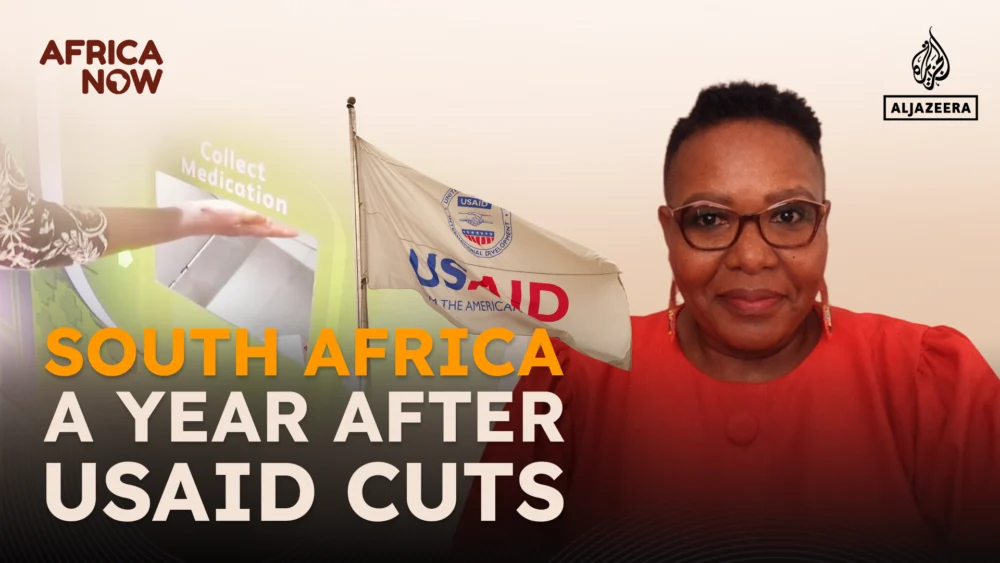
One year after the United States government froze billions of dollars in foreign aid, Nomzamo Vali is one of many South Africans grappling with the stark reality of job losses and a fragile healthcare system still reeling from the repercussions. The freeze, implemented in 2025, continues to cast a long shadow, with the potential for further funding reductions looming, threatening to exacerbate the crisis for health workers and the vulnerable patients they serve.
The Unraveling of Vital Support
The decision by the U.S. government to suspend substantial foreign aid to South Africa marked a significant turning point, disrupting numerous programs and directly impacting the livelihoods of thousands. The aid, often channeled through non-governmental organizations and government agencies, was crucial for a wide array of sectors, including public health, education, and economic development.
Nomzamo Vali, a former community health worker in the Eastern Cape province, vividly remembers the day the funding cuts became a reality for her organization. "We received the notification, and it felt like the ground beneath us disappeared," she recalled, her voice tinged with a weariness that has become common among those affected. Her organization, which relied heavily on USAID grants, provided essential HIV/AIDS prevention services, maternal health support, and basic healthcare education to underserved rural communities.
The abrupt halt in funding meant an immediate scaling back of operations. For Vali, this translated into the loss of her job and the cessation of critical outreach programs that had been making a tangible difference in her community. "We were reaching people who had no other access to care," Vali explained. "We were providing medication, counseling, and hope. Now, that has been severely curtailed."
A Cascade of Consequences
The impact of the USAID funding freeze has extended far beyond individual job losses. The South African healthcare system, already strained by the burdens of diseases like HIV/AIDS, tuberculosis, and a growing non-communicable disease epidemic, has found itself further destabilized. The cuts have led to the reduction or elimination of vital services, including antiretroviral therapy adherence programs, vaccination campaigns, and maternal and child health initiatives.
Dr. Sipho Mkhize, a physician working in a public hospital in Gauteng province, described the situation as a "slow-motion crisis." He noted that his hospital, like many others, had benefited from USAID-funded programs that helped improve laboratory diagnostics, supply chain management for essential medicines, and training for healthcare professionals.
"When that funding was cut, we saw immediate disruptions," Dr. Mkhize stated. "We experienced shortages of key testing reagents, delays in medication deliveries, and a reduced capacity for specialized training. This directly impacts our ability to provide timely and effective care to our patients." The ripple effect is profound, as reduced access to preventative services and treatment leads to poorer health outcomes and increased pressure on already overburdened public health facilities.
The Underlying Reasons for the Freeze
The U.S. government’s decision to freeze aid in 2025 was reportedly linked to concerns over alleged corruption and mismanagement of funds within certain South African government departments and partner organizations. While specific details of the allegations have not always been publicly disclosed in full, the implication was that taxpayer money was not being used effectively or reaching its intended beneficiaries.
This justification, however, has been met with mixed reactions within South Africa and among international development observers. Critics argue that the broad-stroke nature of the funding freeze disproportionately punished the very communities and programs that were most in need of support and were operating with integrity.
Ambassador Linda Thompson, a former U.S. diplomat specializing in African affairs, commented that while accountability for aid is paramount, "blanket freezes can have devastating unintended consequences. The focus should ideally be on targeted interventions to address specific issues of concern while ensuring that vital programs continue to serve the most vulnerable."
The Looming Threat of Further Reductions
Adding to the anxiety surrounding the existing cuts, there are indications that further reductions in U.S. foreign aid to South Africa could be on the horizon. This prospect has amplified the sense of uncertainty and precariousness among health workers, non-profit organizations, and the millions of South Africans who depend on these programs.
"We are constantly bracing ourselves for more bad news," said Maria Botha, director of a small non-profit focused on early childhood development, which also experienced a significant reduction in funding. "It’s a constant struggle to keep our programs running. We’ve had to reduce staff, cut back on services, and even suspend some of our most impactful initiatives."
The potential for further cuts raises serious questions about the long-term sustainability of many development initiatives in South Africa. It also places increased pressure on the South African government and local philanthropic organizations to fill the void, a task that is proving increasingly challenging in a constrained economic environment.
Impact on Public Health and Social Services
The consequences of reduced foreign aid are most acutely felt at the community level. In many of the areas that were heavily reliant on USAID-supported programs, essential health services have either been scaled back or discontinued. This includes critical interventions like HIV testing and counseling, tuberculosis screening and treatment support, and maternal health education.
For individuals like Nomzamo Vali, the loss of employment meant not only a personal financial crisis but also the severance of vital connections with the communities she served. Her role extended beyond providing medical information; she was a trusted confidante and a bridge to essential services for many who faced geographical or socio-economic barriers to accessing healthcare.
"When I lost my job, so did many others from my organization," Vali stated. "We were a team, and we were deeply connected to the people we worked with. Now, those people are left with fewer options. It’s heartbreaking to see."
The impact on the broader public health landscape is significant. Reduced access to preventative care means a higher likelihood of diseases progressing to more severe stages, leading to increased hospitalizations and greater demands on an already stretched public healthcare system. Furthermore, the disruption of educational and empowerment programs can have long-term societal consequences, affecting future generations.
International Development Landscape and South Africa’s Position
South Africa has historically been a significant recipient of foreign aid, particularly from the United States, due to its strategic importance and its ongoing development challenges. The aid has played a crucial role in supporting the country’s transition to democracy, bolstering its economy, and addressing critical social issues.
The shift in U.S. foreign aid policy, particularly the emphasis on accountability and the potential for funding cuts, reflects broader trends in international development. Donor nations are increasingly scrutinizing the effectiveness and impact of their aid contributions, demanding greater transparency and demonstrable results.
However, development experts caution that the withdrawal of significant funding without adequate transitional support or the development of sustainable local alternatives can undermine years of progress. The complexity of the challenges faced by countries like South Africa requires sustained and multifaceted support.
Reactions and Future Outlook
The reactions to the USAID funding cuts have been varied. While some acknowledge the need for accountability, many civil society organizations and community leaders have expressed deep concern over the humanitarian impact. They argue that the cuts are harming the most vulnerable populations and undermining efforts to achieve sustainable development goals.
The South African government has publicly engaged with U.S. officials, seeking clarity on the aid freeze and exploring avenues for the restoration of funding or alternative support mechanisms. However, the political and economic landscape presents significant challenges for securing new, substantial funding streams.
Looking ahead, the situation for many South Africans remains uncertain. Organizations that previously relied on USAID funding are now engaged in a challenging process of seeking alternative sources of finance, restructuring their operations, and advocating for the continued support of vital programs.
The resilience of the South African people and its civil society sector will be crucial in navigating this period of reduced external assistance. However, the impact of the USAID cuts serves as a stark reminder of the interconnectedness of global development and the profound consequences that shifts in international aid policy can have on the lives of ordinary citizens. The coming years will be critical in determining whether the progress made in health and social development can be sustained in the face of these significant financial challenges.