The Recording Academy is initiating a significant strategic overhaul, leveraging the conclusion of its long-standing broadcast partnership with CBS to reimagine its operations and expand its global reach, with a new decade-long agreement set to bring the Grammy Awards and a slate of original programming to Disney platforms. This pivotal shift marks a new era for the organization, prompting a comprehensive review of its existing strategies and a proactive embrace of evolving industry landscapes.
The conclusion of the 68th annual Grammy Awards in February signaled the end of a ten-year broadcast deal between the Recording Academy and CBS. This agreement had been the cornerstone of the annual awards ceremony and associated specials. As of 2027, a new, comprehensive 10-year global agreement will see the prestigious Grammy Awards ceremony broadcast across ABC, Hulu, and Disney+. Beyond the flagship awards show, the Recording Academy will also produce a diverse array of Grammy-branded music specials and original programming specifically tailored for Disney’s extensive platform portfolio.
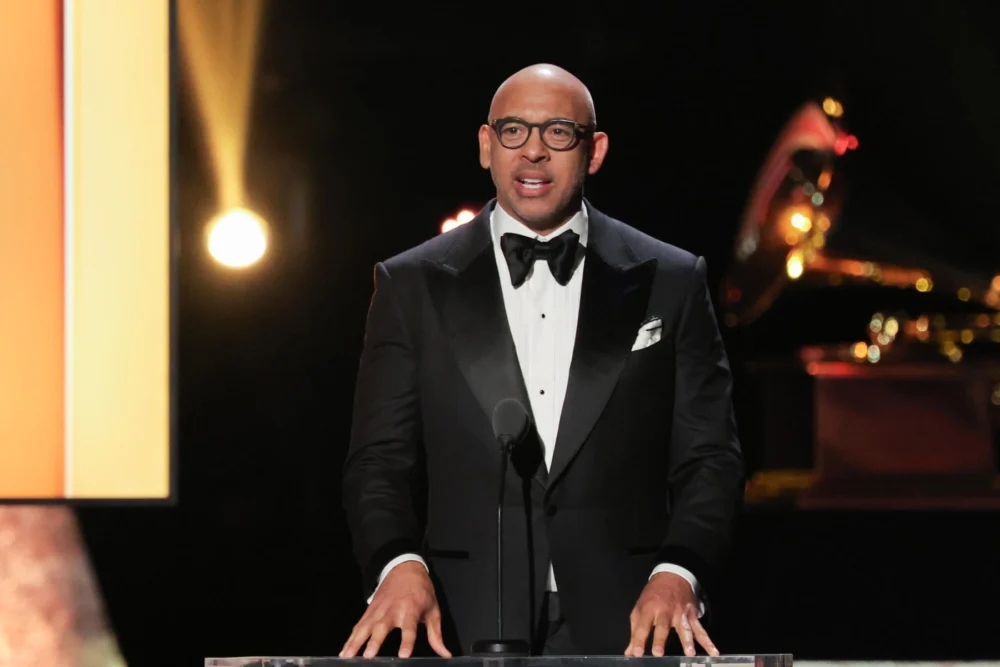
"The Disney opportunity was an exciting threshold—or tipping point almost—for us as an Academy, because it is going to make us look at everything we’re doing," stated Recording Academy CEO Harvey Mason Jr. in an exclusive interview. "How can we do everything we’re doing and evolve it and be better?" Mason emphasized that this transition represents a critical juncture for the organization, prompting a deep dive into its operational efficacy and future trajectory.
This strategic reassessment mirrors a period of significant change for the Academy five years ago when Mason Jr. assumed the role of CEO. He drew a parallel between that transformative time and the current impetus for change, noting, "We’re using this moment as a chance to make sure that the Academy and the Grammy organization is structured to best serve music people and to continue to grow our services and our programs." The goal is to ensure the organization remains relevant and impactful in a rapidly changing music industry.
To spearhead these ambitious initiatives, the Recording Academy has bolstered its leadership team with key appointments. Ankit Dhir, formerly the founder of Yellowbrick, was named the Academy’s first Chief Strategy Officer last fall. Furthermore, Branden Chapman has been elevated to Chief Global Entertainment Officer from his previous role as Chief Operating Officer. Sean Smith has also been promoted to Chief Communications and Marketing Officer, moving up from Executive Vice President. "We’re trying to evolve what we’re doing as an organization and bringing the most talent to our leadership team as possible," Mason Jr. remarked, underscoring the commitment to assembling a world-class team.
A cornerstone of the Academy’s expansion plans is the deliberate cultivation of its international presence, a move designed to reflect the increasingly interconnected and global nature of the music industry. This initiative is already in motion, evidenced by the unprecedented inclusion of the 3,800 voters from the Latin Recording Academy in the Grammy Awards balloting process last November. Moreover, the organization recently launched Grammy House Giza, a multi-day event scheduled for October, dedicated to celebrating the art and craft of music creation. While Grammy House events have previously been held in Los Angeles and New York, the Giza event marks a significant international debut for the program.
"Because music is becoming more and more global, I want to make sure our organization is positioned to reflect that and honor that," Mason Jr. explained. He pointed to the recent Grammy win by "Golden" from K-Pop Demon Hunters for Best Song Written for Visual Media as a prime example of this global shift. This victory was historic, marking the first time a song from the K-pop genre had received a Grammy Award, underscoring the Academy’s growing recognition of diverse musical landscapes.
The global strategy also encompasses expanding membership and engagement in regions experiencing explosive music scene growth, including Africa, Asia, and the Middle East. "We’re going to continue to try and make sure that we’re honoring these not just from one part of the world, but from the entire world," Mason Jr. stated, emphasizing a commitment to inclusive recognition. This broader perspective aims to capture the full spectrum of global musical talent.
When queried about the potential for establishing new awards shows focused exclusively on international music or specific regional genres, Mason Jr. indicated that such discussions are premature. "I think it’s too early to talk specifically about that," he stated. "I will say I’m working really closely with the Board of Trustees and our chair and our national leadership to make sure that we’re representing and serving music from all around the globe. What form that takes will evolve over the next few years." This suggests a flexible and adaptive approach to future programming decisions.
A central pillar of the Recording Academy’s evolving strategy is a robust content-first approach. While the Academy produced up to three specials annually with CBS outside of the main Grammy Awards telecast, the new Disney partnership signals a significant increase in both the quantity and variety of content. The aim is to leverage Grammy-branded intellectual property across a wider range of formats and platforms, both within the Disney ecosystem and potentially beyond.
"My hope is that we can celebrate more music and more music storytellers, more genres, more things that are happening in music ecosystem because there’s more happening than a show or a special," Mason Jr. articulated, highlighting a desire to broaden the scope of musical narratives showcased. This reflects a commitment to recognizing the multifaceted nature of the music industry.

Branden Chapman, who oversees the Academy’s production and event division, artist relations, business development, and digital media teams, is at the helm of Grammy Studios. While the in-house studio has been operational for two years, its production output is set to dramatically increase across multiple platforms. This expansion is crucial for realizing the Academy’s content ambitions.
The Recording Academy commands a substantial audience on its YouTube channel, boasting over 2.8 million subscribers. This platform currently features short-form programming such as Grammy Rewind and Road to Recognition. However, Chapman plans to significantly amplify the Academy’s content offerings by mining its extensive archive and events for new programming.
"Just taking a look at Grammy Week alone, we have 23 events that we do, most of which—aside from news coverage or red-carpet coverage—are private events," Chapman noted. "We’re going to start taking a look at our entire event strategy, as well as launching new content and new events to expand our mission and our goal of serving music and its makers." This indicates a strategic effort to make previously exclusive content more accessible to a wider audience.
Among the Grammy Week events slated for broader exposure is the MusiCares Person of the Year event, a prestigious tribute honoring a major music figure with performances by esteemed artists. The last televised iteration of this tribute aired on Netflix in 2021, honoring Dolly Parton. Chapman views this event as a prime candidate for expansion.
"Person of the Year is absolutely one of the events that we see as a great opportunity to expand to a larger audience than just the invited guests," Chapman explained. "It is one of the opportunities we plan to take to Disney and expand into a traditional format." This suggests a clear vision for leveraging the Disney partnership to elevate existing flagship events.
The expansive rights and opportunities afforded by the Disney partnership extend beyond traditional broadcast formats. Chapman expressed particular excitement about venturing into new territories. "What I’m most excited about is to really, for the first time ever, get into formats that we haven’t traditionally been in before such as potentially a prime-time series," he elaborated. "It’s things that we haven’t traditionally done because we’ve been very focused on specials… I see a huge opportunity to expand into traditional series, potential documentaries and feature films." This signals a bold move into diverse content creation.
Disney will have preferential access to many of these new offerings. Chapman indicated that content could potentially debut through the new deal even before the 2027 Grammy Awards ceremony. He also confirmed that one additional, as-yet-unannounced Grammy Salute event is scheduled to air on CBS in May, marking the final broadcast under the current agreement. Both the Grammy specials and, notably, the Grammy Awards themselves, have consistently demonstrated their capacity to drive significant streaming and sales boosts for participating artists.
Reinforcing Mason Jr.’s global perspective, Chapman underscored the fundamental shift in the Academy’s operational philosophy. "It’s not just that viewing has changed or that the technology has changed," he continued. "It’s how we as an academy have shifted our mission and look at the marketplace as a worldwide marketplace, not just a U.S. marketplace." This outlook is central to the Academy’s future strategic planning.
While Grammy Studios will assume primary responsibility for all live events and will be expanding its in-house production capabilities, Chapman emphasized the continued importance of its relationships with external production partners. These include companies such as Ben Winston’s Fulwell Entertainment and Jose Tillan, who collaborated on the Grammy Salute to Latin Music. This collaborative approach ensures access to specialized expertise and creative talent.
As the Recording Academy embarks on this period of expansion, there may also be a strategic contraction of certain offerings that no longer align with the evolving needs of its membership. "We will be probably pulling back from some things because our industry has changed," Mason Jr. stated, declining to provide specific details. "What the music community needs has changed, how we generate value and revenue and programs and activations for different people has changed… We have limited resources, we’re going to have to choose the things that are working and enhance those. Things that aren’t working, we’ll probably pull back from." This pragmatic approach aims to optimize resource allocation.
One area from which the Academy will not retreat is advocacy, which Mason Jr. anticipates will see substantial growth. This is particularly relevant as music creators grapple with emerging challenges, such as the implications of artificial intelligence. "We’ll probably do more because it’s becoming more and more challenging for our people to protect their works, to monetize their works, or remain in control with approvals," Mason Jr. enthused. "Advocacy is going to be an area where you’re going to see growth." This highlights the Academy’s commitment to safeguarding the rights and interests of its members in a rapidly evolving technological landscape.
Looking toward the future, Mason Jr. also foresees significant expansion in the Academy’s educational initiatives. "I think we will double down on education and how we’re bringing in the next group of music people, not just songwriting, but business and A&R," he stated. "We have to foster the next round of people that are going to run and lead our business and our creative sector." This commitment to nurturing future talent underscores the Academy’s long-term vision for the health and vitality of the music industry.