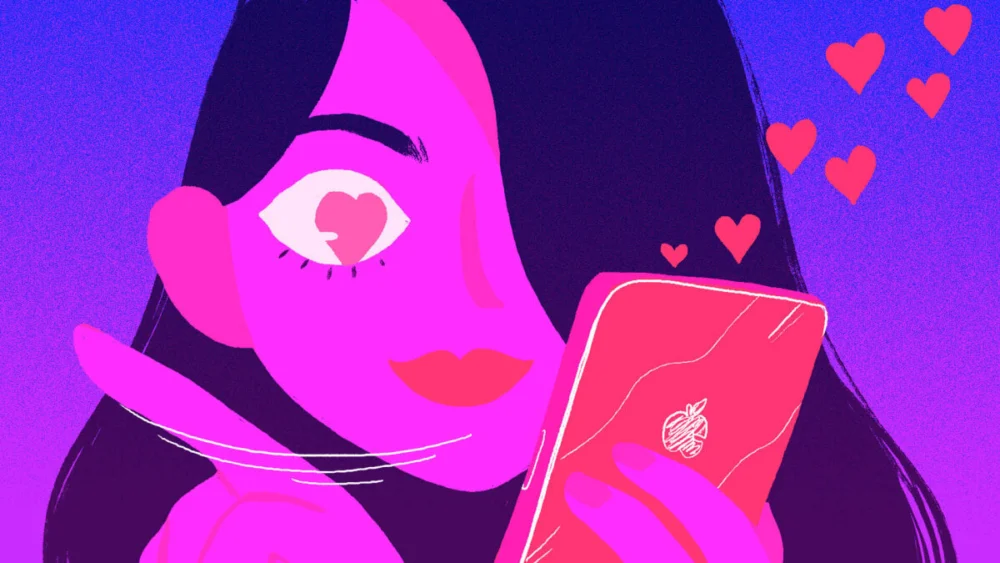
Digital dating platforms have entered a transformative phase in 2026 as developers pivot away from high-volume swiping in favor of enhanced security protocols and intentional connection tools. Data from a 2025 SSRS survey indicates that while approximately 39 percent of U.S. adults have utilized dating applications, a persistent gender imbalance remains, with women comprising only 38 percent of the active user base. This disparity has forced industry leaders to implement more robust safety features and artificial intelligence-driven filtering to address the "swipe fatigue" and harassment that have historically hindered the female user experience.

The current landscape is defined by a shift toward "slow dating," a movement characterized by platforms that prioritize personality compatibility over aesthetic appeal. Industry analysts suggest that the rise of AI-generated profiles and sophisticated bots has necessitated the adoption of biometric verification. Consequently, the top dating apps for women in 2026 now frequently incorporate facial recognition technology and "Face Check" requirements to ensure authenticity before users are permitted to engage with the wider community.
Hinge Leads the Market in Intentionality
Hinge has solidified its position as the premier choice for women seeking long-term partnerships through its "Designed to be Deleted" philosophy. In 2026, the platform has expanded its use of AI tools, such as "Prompt Feedback" and "Convo Starters," which analyze user responses to suggest more engaging icebreakers. These features are designed to mitigate the "low-effort" messaging—such as the ubiquitous "hey"—that frequently leads to conversation burnout among female users.

Expert testing conducted throughout the first quarter of 2026 highlighted the success of Hinge’s "Your Turn Limits," a feature that caps unanswered messages to discourage ghosting. Furthermore, the platform is currently piloting "Direct to Date" in select metropolitan markets. This tool allows matched users to share their calendar availability and suggest specific date ideas immediately, bypassing the prolonged digital preamble that often fails to materialize into an in-person meeting.
Safety and Regulation: The Industry’s Response to Criticism
User safety remains the primary concern for women navigating digital romance. In response to long-standing criticism regarding unsolicited content and deceptive profiles, major players like Tinder and Bumble have overhauled their security infrastructure. Tinder, once synonymous with casual hookup culture, has introduced "Share My Date," a feature that enables users to send a live-tracking link, including the date’s location and profile photo, to trusted contacts.

The industry has also faced significant legal scrutiny. In August 2025, Match Group, the parent company of Tinder, Hinge, and Match.com, reached a $14 million settlement with the Federal Trade Commission (FTC). The lawsuit alleged deceptive cancellation policies and the use of fraudulent "love interest" advertisements to lure users into paid subscriptions. Following this settlement, the company has implemented simplified cancellation processes and more transparent billing cycles, which experts suggest has slightly restored consumer confidence in 2026.
Top Dating Apps for Women in 2026 Seeking Serious Relationships
For women over the age of 30, Match and eharmony remain the dominant forces in the serious relationship sector. Match has successfully retained its demographic by focusing on "72 Hours," a recurring weekend event that shows a map of nearby singles who are available for immediate meetups. If contact information is not exchanged by Sunday at midnight, the connection expires, a mechanic designed to foster urgency and reduce "pen-pal" syndrome.

Eharmony continues to utilize its 30-dimension personality test, a rigorous compatibility assessment that the company claims is responsible for approximately four percent of all new U.S. marriages. In 2026, the platform has modernized its approach by partnering with advocacy groups like GLAAD to improve its inclusivity for the LGBTQ+ community. While the time-intensive sign-up process remains a barrier for some, it acts as a natural filter, ensuring that the remaining user pool is committed to the matchmaking process.
The Rise of Values-Based Matching on OkCupid
OkCupid has emerged as the leading free option for women who prioritize social and political alignment. The platform’s 2026 "Love & Money" initiative reflects a growing cultural trend toward financial transparency in dating. Internal data reveals that 63 percent of users now view openness about finances as a "green flag," while 68 percent find financial responsibility more attractive than generic generosity.

The platform’s inclusive framework, offering over 22 gender and 12 orientation options, makes it a preferred choice for Gen Z and Millennial women. However, experts note that the app has recently struggled with an influx of "passport" profiles—international users seeking connections outside their local region—which can complicate the search for local partners. Users are advised to utilize strict location filters to maintain the efficacy of the matching algorithm.
Specialized Platforms for Queer and Mature Daters
The acquisition of the queer-focused app HER by Match Group in May 2025 initially sparked concerns regarding the commercialization of safe spaces. However, the 2026 "Sapphic Restart" campaign has demonstrated a continued commitment to community-building. The introduction of "Feelings," a feature allowing users to set temporary status tags such as "Flirty" or "Seeking Friends," has been praised for facilitating clearer communication within the queer community.

For women over 50, SilverSingles has undergone a comprehensive redesign to modernize its interface. The platform now operates on a "mutual match" system, requiring both parties to express interest before communication can occur. This change, coupled with the removal of the "pay-to-talk" model for matched users, has made the platform more accessible for mature singles who may be returning to the dating pool after decades of marriage or partnership.
Navigating Niche and Alternative Relationship Styles
As ethical non-monogamy and kink become more mainstream, platforms like Feeld and Pure have seen a surge in female users. Feeld, which offers over 20 gender and sexuality options, has moved beyond a purely digital presence by hosting "Feeld Socials"—in-person events designed as safe spaces for the polyamorous and kink communities. This community-centric approach is part of a broader industry trend to combat the loneliness often associated with digital-only interactions.

Pure remains the preferred choice for women seeking total anonymity. The platform’s 24-hour chat expiration and self-destructing photos provide a level of discretion not found on mainstream apps. To mitigate the safety risks associated with anonymity, Pure has introduced "True Photo" requests, which require a live, in-app selfie to verify the user’s identity in real-time.
The Future of Digital Romance and Market Impact
The dating app industry in 2026 is increasingly defined by its intersection with financial and career goals. EliteSingles, targeting educated professionals, uses algorithms rooted in the Five Factor Personality Test to match users based on work ethic and life stages. While some critics find the "Elite" branding pretentious, the platform’s success rate—reportedly helping 2,500 singles find love monthly—underscores the demand for curated dating pools.

Industry experts predict that the next two years will see further integration of AI to monitor for red flags, such as aggressive language or predatory behavior, in real-time. The move toward "Face Check" verification as a standard requirement across all Match Group and Bumble Inc. properties suggests that the era of the unverified, anonymous profile is coming to an end in mainstream dating.
The continued evolution of these platforms reflects a broader societal shift toward intentionality. As women demand more from their digital interactions, the top dating apps for women in 2026 must continue to balance technological innovation with the fundamental human need for safety, respect, and genuine connection. The success of these apps will ultimately be measured not by the number of swipes they generate, but by their ability to facilitate meaningful, real-world relationships in an increasingly complex social landscape.