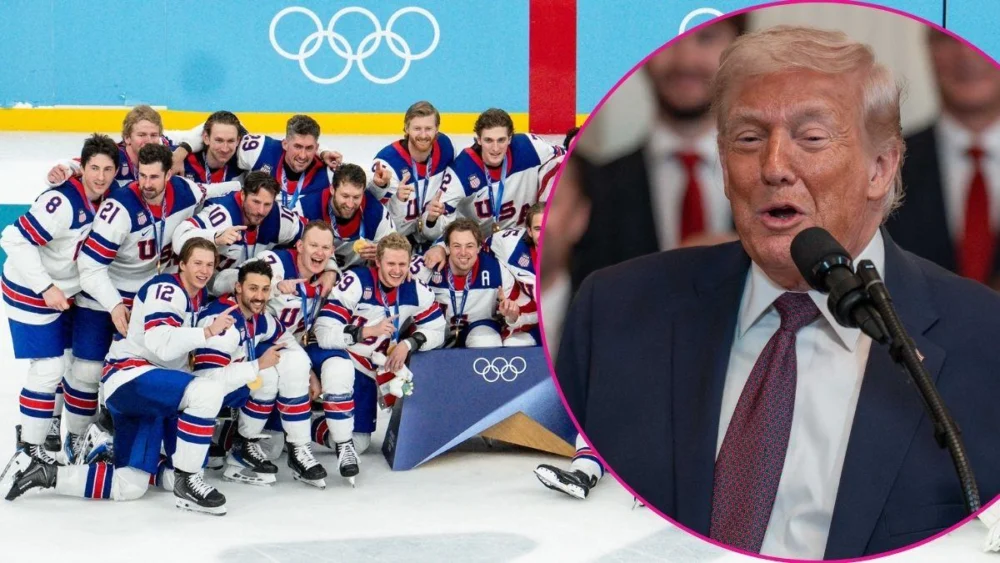
Team USA Hockey’s triumphant dual gold medal victories at the 2026 Winter Olympics in Milan-Cortina, a source of immense national pride, rapidly transformed into a complex political discussion following a congratulatory call from President Donald Trump and subsequent controversies surrounding a White House invitation. The athletic zenith, celebrated fiercely across the nation, quickly found itself entangled in partisan narratives and public debate, highlighting the persistent intersection of sports and American politics in an election year.
A Historic Double Gold for Team USA Hockey
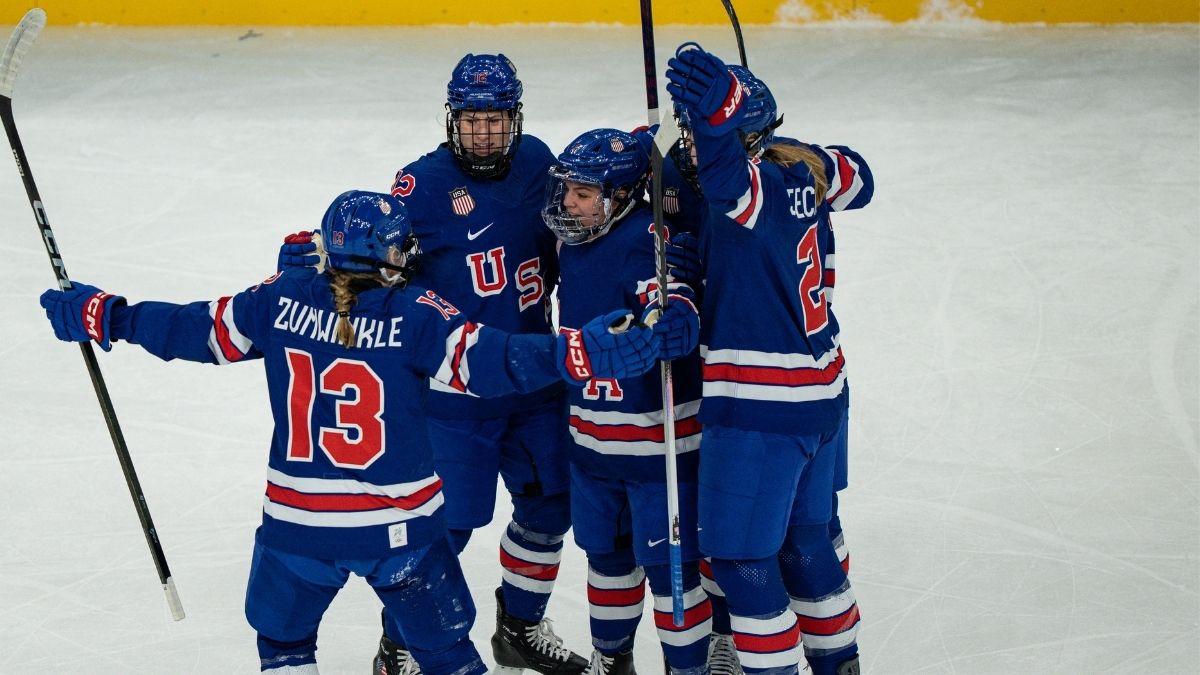
The 2026 Winter Olympics proved to be a landmark event for American hockey. On February 22, both the U.S. women’s and men’s national teams delivered captivating performances, each securing gold medals in nail-biting 2-1 overtime victories against their perennial rivals, Canada. The women’s team reclaimed their Olympic title, marking their first gold since 2018 and cementing their status as a dominant force in international hockey. Their victory was not just a testament to athletic prowess but also to years of advocacy for equitable treatment and recognition within the sport.
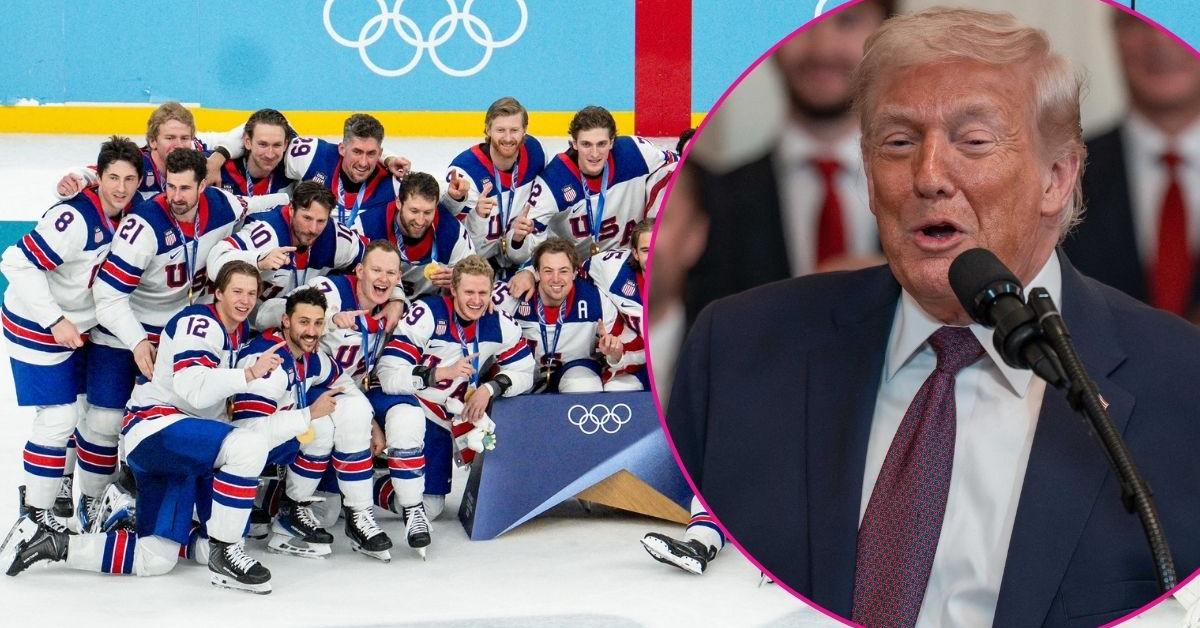
For the men’s team, the gold medal carried even deeper historical resonance. It was their first Olympic triumph since the legendary 1980 "Miracle on Ice" victory over the Soviet Union, a moment etched into the annals of American sporting lore. This win ended a 46-year drought, igniting a surge of nostalgia and reinvigorating a generation of hockey fans. The dramatic overtime finishes, particularly the men’s decisive goal, were widely celebrated as moments of pure sporting glory, momentarily unifying a diverse nation in collective cheer.
The Presidential Call and White House Invitation
In the immediate aftermath of the men’s gold medal victory on February 22, President Donald Trump placed a congratulatory phone call to the team in their locker room. During the call, which was widely publicized, President Trump commended their "unbelievable" achievement and extended an invitation for the team to attend his upcoming State of the Union address in Washington D.C., followed by a celebratory event at the White House. This invitation is a long-standing tradition for championship-winning sports teams, intended to honor their success on the national stage.
However, the call took a political turn when President Trump humorously, yet pointedly, remarked that he would "probably be impeached" if he did not also invite the U.S. women’s hockey team to the White House. This comment, made amidst ongoing political tensions and the lingering specter of previous impeachment proceedings during his presidency, instantly circulated across social media platforms and news outlets. It injected a political undertone into what would otherwise have been a straightforward presidential commendation, setting the stage for subsequent controversies.

Kash Patel’s Viral Locker Room Appearance
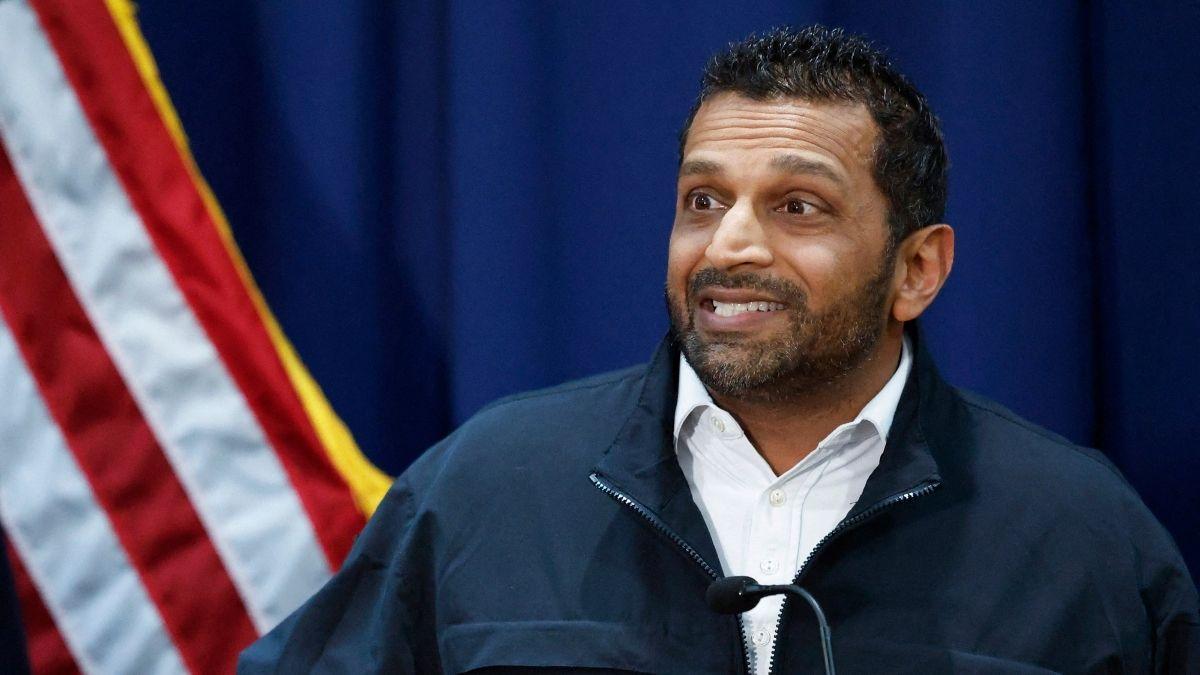
Further fueling the political dimensions of the celebration was the presence and conduct of Kash Patel, identified in reports as an FBI Director, in the men’s locker room. Footage that quickly went viral online showed Patel actively participating in the team’s post-game celebrations, including spraying beer alongside players. His direct involvement in such an exuberant and informal setting immediately drew significant criticism from various quarters.
Critics questioned the appropriateness of a high-ranking law enforcement official, particularly an FBI Director, engaging in such a public and potentially partisan display. Concerns were raised regarding the optics of an FBI official, whose role demands strict impartiality and a clear separation from political campaigns or affiliations, being so intimately involved in a moment that was increasingly taking on political dimensions. The incident sparked debates about the boundaries of official conduct, the blurring lines between public service and political allegiances, and the potential for such actions to erode public trust in government institutions. Defenders, however, argued that Patel, a known hockey enthusiast, was simply celebrating a significant American achievement and that his presence was not indicative of any impropriety.
The Women’s Team Declines: Scheduled Commitments or Political Stance?

In the days following the presidential invitation, a clear divergence emerged between the two gold-winning teams regarding their participation in the proposed Washington D.C. events. While the U.S. men’s hockey team accepted the invitation to the White House and the State of the Union, the U.S. women’s hockey team ultimately declined.
A spokesperson for USA Hockey released a statement expressing gratitude for the invitation but cited "previously scheduled academic and professional commitments" as the reason preventing the women’s team’s participation. This explanation, while seemingly innocuous, was met with skepticism by some observers who interpreted the declination as a deliberate political stance, a quiet protest against the Trump administration.
Historically, various sports teams have declined White House invitations, often citing scheduling conflicts or, at times, expressing subtle or overt political disagreements with the sitting president. The women’s team’s decision reignited this debate, with supporters praising their potential assertion of independence and critics accusing them of politicizing a moment of national unity. The nuanced phrasing of their official statement left room for both interpretations, contributing to the broader political discourse surrounding the event.
Beyond the invitation, the women’s squad achieved significant milestones. Team captain Hilary Knight further cemented her legacy, securing her second Olympic gold medal and fifth overall Olympic medal, a testament to her enduring impact on the sport. Additionally, Laila Edwards made history as the first Black woman to represent Team USA hockey at the Olympics, breaking barriers and inspiring a new generation of diverse athletes. These achievements underscored the team’s multifaceted significance beyond the political fray.
Jack Hughes Defends the Women’s Team and Justifies Men’s Acceptance
Men’s team hero Jack Hughes, whose overtime goal secured their historic gold medal and who notably lost two front teeth during the intense final game, found himself addressing the public backlash surrounding the women’s team’s decision. Upon returning to the U.S., Hughes spoke to the Daily Mail, defending his female counterparts.
"They’ve got busy schedules, too," Hughes stated, dismissing speculative criticisms. He lamented the negativity prevalent in public discourse, remarking, "People are so negative out there and they are just trying to find a reason to put people down and make something out of almost nothing." Hughes emphasized the strong bond and mutual respect between the two teams, asserting, "Our relationship with them… we are so tight with their group. I think everyone in that locker room knows how much we support them, how proud we are of them."
Regarding the men’s team’s decision to accept the White House invitation, Hughes articulated a common sentiment among athletes who choose to engage with political figures. "Everything is so political. We’re athletes… When you get the chance to go to White House and meet the President, we’re proud to be Americans," he explained. This statement encapsulated the perspective that for many athletes, a White House visit transcends partisan politics, representing a recognition of national achievement and an opportunity to honor their country. It highlighted the dilemma faced by public figures in an increasingly polarized environment: how to navigate moments of national celebration without becoming perceived as endorsing a political agenda.
A Broader Cultural Flashpoint: Sports and Politics Intertwined
The events surrounding Team USA Hockey’s Olympic triumphs quickly transcended the realm of sports, evolving into a significant cultural flashpoint. What began as two moments of pure athletic glory—the culmination of years of training and dedication—collided head-on with the deeply ingrained political divisions currently characterizing American society. This incident underscored a growing trend where major sporting events and the athletes who define them are increasingly drawn into political debates, whether by design or circumstance.
The varying responses to the White House invitation by the men’s and women’s teams, coupled with the controversy surrounding Kash Patel’s locker room presence, became a microcosm of the larger political polarization in the United States. Media coverage and social media reactions were sharply divided, reflecting existing political fault lines. Some lauded the men’s team for embracing a traditional honor, while others criticized their perceived alignment with a specific political figure. Conversely, the women’s team’s decision sparked both praise for their autonomy and condemnation for allegedly injecting politics into sports.
This episode joined a growing list of instances where athletes, teams, and sporting organizations have had to navigate the complex landscape of public expectations, personal beliefs, and political pressures. From Colin Kaepernick’s protests to various teams’ decisions regarding White House visits under different administrations, sports figures are increasingly seen not just as entertainers but as influential public voices, whether they choose that role or not. The Team USA Hockey incident served as a stark reminder that even the most unifying national achievements can become platforms for broader societal discussions on politics, patriotism, and the role of public figures.

Consequences and the Complex Legacy of Gold
The immediate consequence of this political moment was a division of narratives: while both teams brought home gold, their post-Olympic journeys diverged. The men’s team proceeded with their White House visit, receiving presidential recognition and engaging in the traditional ceremony. The women’s team, by opting out, maintained their stated commitments and avoided a potentially politically charged appearance, but also faced scrutiny for their decision.
Beyond the immediate events, the incident left a complex legacy. It reignited discussions about the appropriateness of high-ranking government officials participating in celebratory events with political implications. It also highlighted the ongoing challenge for athletes and sports organizations to navigate a world where their achievements are often viewed through a political lens, regardless of their intentions. For many, the dual gold medals remained a source of unadulterated national pride, a testament to American excellence on the ice. Yet, for others, the political undertones introduced an unavoidable layer of commentary, demonstrating that in modern America, even the purest sporting triumphs are seldom immune to the gravitational pull of politics. The incident ultimately served as a poignant example of how deeply interwoven athletic glory and political dynamics have become in the national consciousness.