A former undercover police officer with the Metropolitan Police is facing intense scrutiny following allegations that he utilized taxpayer funds to finance a romantic getaway to Venice with a woman he was deceiving as part of a long-term covert operation. The revelations surfaced during the ongoing Undercover Policing Inquiry, which is investigating decades of controversial tactics employed by secretive British police units.
Carlo Soracchi, who operated under a false identity for six years between 2000 and 2006, is accused of misleading his superiors and the public by claiming a 2001 trip to Italy was a necessary intelligence-gathering mission. Internal police documents suggest the Metropolitan Police approved and paid for flights and lodging under the guise that Soracchi was traveling to "consolidate and extend" ties with Italian socialist activists.
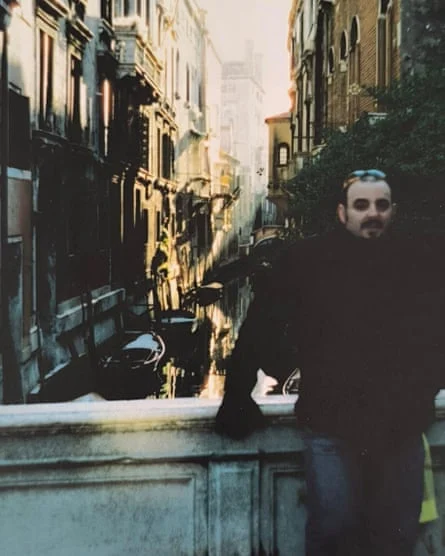
However, testimony provided to the inquiry by a woman known only as "Lindsey" paints a starkly different picture of the excursion. Lindsey, who was involved in a year-long intimate relationship with the undercover officer at the time, described the trip as a "classic romantic break" in a city famous for its romantic atmosphere. She told investigators that the pair spent their time visiting landmarks, dining at local restaurants, and admiring the city’s historic architecture.
The Venice Allegations: Undercover Officer Allegedly Used Public Money for Romantic Break in Venice
The inquiry heard that the three-day trip took place just before Christmas in 2001. According to Lindsey, Soracchi surprised her with the plane tickets, an act that she at the time interpreted as a deep gesture of affection. She recalled feeling "overwhelmed and flattered," believing she was in a genuine, loving relationship with a man she knew only as a fellow political activist.
The couple stayed in a centrally located, historic apartment that Lindsey described as perfectly suited for a romantic holiday. She testified that they were rarely apart during the 72-hour visit, noting they were separated for no more than 20 minutes at any given time. This testimony directly contradicts the official justification for the trip recorded in police logs.
Internal Metropolitan Police records claimed the travel was intended to "ascertain Socialist party involvement with Italian extreme left-wing anarchist groups." When asked by inquiry lawyers if they had met with any activists or political groups during their time in Venice, Lindsey replied with a definitive "no." The discrepancy suggests that the undercover officer allegedly used public money for romantic break in Venice while providing false reports to his handlers regarding his operational activities.
Deception and Documentation in Undercover Operations
The case of Carlo Soracchi is part of a broader pattern being examined by the Undercover Policing Inquiry, led by retired judge Sir John Mitting. The inquiry is tasked with investigating the conduct of the Special Demonstration Squad (SDS), a now-defunct covert unit that infiltrated hundreds of political and social campaign groups starting in 1968.
Soracchi was one of many officers who adopted "legends"—fictitious identities—to embed themselves within socialist and anti-fascist organizations. During his deployment, he allegedly deceived at least three women into sexual relationships. One of those women, Donna McLean, testified that Soracchi maintained a two-year relationship with her and even proposed marriage. McLean accepted the proposal, unaware that her fiancé was a police officer whose entire persona was a fabrication.
While Soracchi has denied several aspects of the women’s accounts, including the marriage proposal, he acknowledged in a written statement that the SDS authorized and funded the Venice trip. He maintained that the original purpose was to facilitate discussions between U.K. and Italian activists. However, the inquiry also revealed that Soracchi’s supervisor, Detective Sergeant Stephen Beels, traveled separately to Italy at the same time to provide support, with his expenses also covered by the public purse. Beels reportedly stayed in Verona, approximately 75 miles from Venice.
The Shadow of the Special Demonstration Squad
The Special Demonstration Squad has become the center of one of the most significant scandals in the history of British law enforcement. For decades, the unit operated with minimal oversight, allowing officers to live double lives that often included forming deep emotional and physical bonds with the very people they were assigned to monitor.
The inquiry has revealed that "legend enhancement"—the practice of building a believable backstory for an undercover identity—was frequently used to justify expenses and behaviors that would otherwise be considered ethical or legal violations. In the instance where an undercover officer allegedly used public money for romantic break in Venice, the "legend enhancement" defense was used to validate a personal vacation as a professional necessity.

The psychological impact on the women targeted by these officers has been a primary focus of the inquiry. Many victims, including Lindsey and McLean, have described the experience as a profound violation of their human rights and personal autonomy. They argue that they could not have given informed consent to sexual relationships based on a fundamental lie orchestrated by the state.
Systemic Failures and the Undercover Officer Allegedly Used Public Money for Romantic Break in Venice Scandal
The revelation that supervisory staff, such as DS Beels, were present in the region during the Venice trip suggests that the misuse of funds was not merely the act of a rogue officer but was facilitated by a chain of command. The inquiry is examining whether supervisors were complicit in the deception or if they were also misled by Soracchi’s reports.
Critics of the SDS and the Metropolitan Police argue that the culture of the unit prioritized intelligence gathering at any cost, often ignoring the moral and financial implications of their methods. The use of taxpayer money to fund romantic gestures serves as a flashpoint for public anger, highlighting a perceived lack of accountability in how covert operations were audited.
The financial cost of the Venice trip has not been fully disclosed to the public, but it represents a small fraction of the millions of pounds spent on the SDS over its 40-year lifespan. The inquiry continues to sift through thousands of documents to determine how many other "operational" trips were, in fact, personal vacations or means of furthering deceptive relationships.
Victims Seek Accountability in the Spycops Inquiry
The "Spycops" inquiry was established following years of campaigning by women who discovered their former partners were undercover officers. The scandal first broke in 2010 when activists unmasked an officer named Mark Kennedy, leading to a wave of similar revelations across various political movements.
For the victims, the inquiry is a grueling process of revisiting traumatic memories. Lindsey’s testimony regarding the Venice trip highlights the emotional manipulation involved in these operations. She told the inquiry that she fell in love with Soracchi in 2001 and would never have entered the relationship had she known his true identity and profession.
The legal ramifications for the Metropolitan Police are significant. The force has already paid out millions in settlements to women deceived by undercover officers, and the findings of the Mitting inquiry could lead to further legal challenges and calls for structural reform within the police service.
The Path Forward for Law Enforcement Oversight
As the inquiry prepares to question Carlo Soracchi directly, the focus remains on the ethical boundaries of undercover work. The case where an undercover officer allegedly used public money for romantic break in Venice serves as a case study in the potential for abuse when oversight mechanisms fail.
The Metropolitan Police has expressed regret over the historical actions of the SDS, acknowledging that the relationships formed by officers were "wrong" and "a gross violation." However, for many of the women affected, apologies are insufficient without a full accounting of how such a system was allowed to persist for four decades.
The inquiry is expected to continue for several more months, with more testimony from former officers and the activists they spied on. The final report will likely recommend sweeping changes to how undercover operations are authorized and monitored, ensuring that the "legend enhancement" of the past does not serve as a shield for future misconduct.
Soracchi is scheduled to provide four days of testimony starting next week. His appearance is expected to be a pivotal moment for the inquiry, as he will be forced to address the specific allegations of financial impropriety and the personal devastation caused by his six-year deception. The public and the victims alike await answers on how a romantic break in Venice became an official expense of the British state.