Xiaomi has unveiled the Vision Gran Turismo, a high-performance electric hypercar concept that prioritizes radical aerodynamic efficiency and an unconventional interior layout ahead of its formal debut at the Mobile World Congress (MWC) in Barcelona. The vehicle represents a significant departure from the company’s previous automotive efforts, moving away from production-ready sedans toward a purely experimental design language intended to push the boundaries of electric vehicle (EV) engineering. This latest reveal follows the successful introduction of the SU7 Ultra supercar during last year’s event, signaling Xiaomi’s intent to remain a dominant force in the high-end automotive technology sector.
The Xiaomi Vision Gran Turismo is characterized by a design philosophy the company describes as being "sculpted by the wind." Unlike traditional performance vehicles that rely on heavy spoilers for downforce, this concept utilizes a complex network of internal air channels and wind tunnels integrated directly into the chassis. These structural voids allow air to pass through the body of the car rather than just over it, theoretically reducing drag to unprecedented levels while maintaining stability at high speeds.
Aerodynamic Innovation and the Xiaomi New Hyper Car Concept
At the core of the Xiaomi new hyper car concept is a focus on fluid dynamics that challenges modern supercar conventions. The vehicle features an active aerodynamic system, including a moving component located on the underbody of the car. This active element adjusts in real-time to optimize airflow based on the vehicle’s velocity and cornering forces, ensuring that the car remains suctioned to the tarmac without the need for traditional, drag-inducing aerodynamic appendages.

The wheels of the Vision Gran Turismo further emphasize this commitment to efficiency. Xiaomi has implemented specialized wheel covers that are held in place via a magnetic stabilization system. This technology allows the covers to remain stationary while the wheels rotate at high speeds. By preventing the wheel covers from spinning, Xiaomi engineers have eliminated the turbulence typically generated by rotating spokes, which is a major source of aerodynamic drag in conventional performance vehicles.
While the exterior is a masterclass in modern physics, the vehicle’s powertrain remains a subject of speculation. Xiaomi has not yet released specific data regarding the battery capacity, motor configuration, or zero-to-sixty acceleration times. However, industry analysts expect the vehicle to utilize a multi-motor setup capable of delivering well over 1,000 horsepower, consistent with the performance metrics established by the SU7 Ultra. The official unveiling on March 2 is expected to provide the technical specifications required to validate these performance claims.
The Radical Interior of Xiaomi’s New Hyper Car Concept
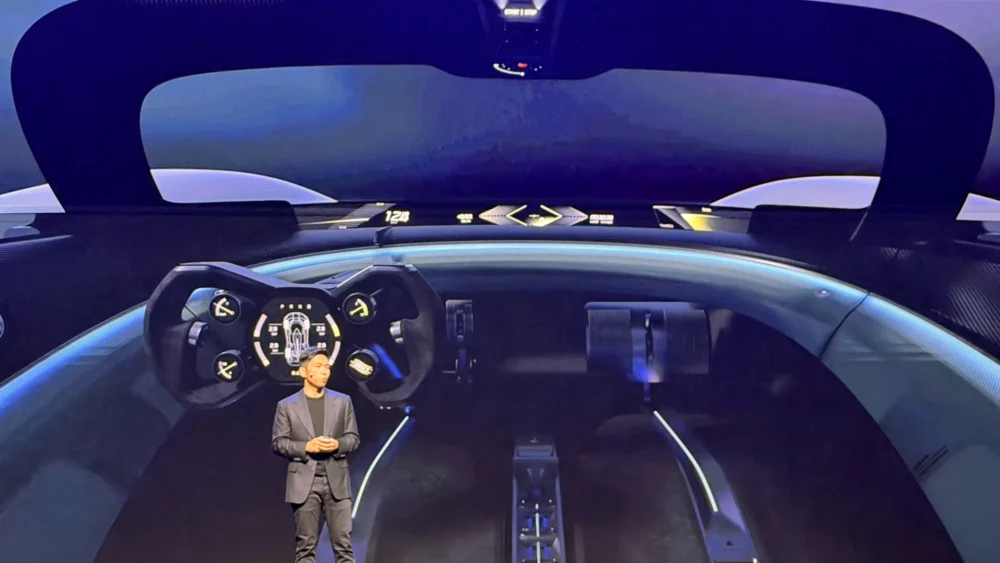
The interior of the Xiaomi new hyper car concept is perhaps its most jarring feature, discarding almost every element found in a traditional automotive cabin. In place of standard bucket seats, the company has installed what it calls a "cocoon-shaped sofa." This seating arrangement is designed to envelop the driver and a single passenger in a continuous, ergonomic form that prioritizes comfort and futuristic aesthetics over the rigid support found in professional racing seats.
Control of the vehicle is managed through an "X-wing" steering yoke, a rectangular device that houses five integrated miniature displays. These screens provide critical telemetry data, navigation, and system diagnostics directly to the driver’s fingertips. Some of these displays are rumored to function as contextual haptic buttons, changing their interface based on the driving mode or the specific needs of the pilot. This minimalist approach removes the need for a traditional dashboard or center console, creating an expansive, open-air feeling within the cockpit.

This design reflects a broader trend in the EV industry where "software-defined vehicles" are replacing mechanical complexity with digital interfaces. By consolidating all controls onto the steering yoke and removing the dashboard, Xiaomi is betting on a future where the driving experience is mediated entirely through digital overlays and simplified physical inputs. The two-seater configuration reinforces the vehicle’s identity as a focused performance machine rather than a practical transport solution.
Bridging the Gap Between Simulation and Reality
A unique aspect of the Xiaomi new hyper car concept is its dual existence as both a physical prototype and a digital asset. The "Vision Gran Turismo" moniker suggests a partnership with the popular PlayStation racing simulation franchise, Gran Turismo. Traditionally, manufacturers participate in this program to showcase design studies that may never reach production but can be driven by millions of players in a virtual environment.
Xiaomi is taking this digital-physical crossover a step further by announcing plans for a dedicated home gaming console and cockpit. This peripheral is designed to replicate the "cocoon-shaped sofa" and X-wing steering wheel found in the actual car. By selling a consumer version of the cockpit, Xiaomi is attempting to monetize its automotive R&D through the gaming market, allowing enthusiasts to experience the ergonomics of the hypercar from their living rooms.
This strategy aligns with Xiaomi’s "Human x Car x Home" ecosystem, which seeks to integrate the company’s diverse product lines into a single, seamless user experience. By bringing the hypercar cockpit into the home, Xiaomi reinforces its brand identity as a lifestyle technology company rather than just a hardware manufacturer. It also provides a way for the company to build brand loyalty among younger demographics who may not yet be in the market for a high-end electric vehicle.

Industry Context and the Global EV Race
The unveiling of the Xiaomi new hyper car concept comes at a time of intense competition in the global electric vehicle market. Chinese manufacturers are increasingly moving upmarket, challenging established European brands like Porsche, Ferrari, and Rimac. Xiaomi’s rapid progression from a smartphone manufacturer to a developer of high-performance automotive concepts has caught the industry by surprise, particularly given the short timeframe in which the company has achieved these milestones.
The use of MWC as a launchpad for automotive technology highlights the blurring lines between the telecommunications and automotive industries. As vehicles become more reliant on 5G connectivity, artificial intelligence, and advanced computing, tech-centric shows are becoming just as important as traditional auto shows. Xiaomi’s presence in Barcelona serves as a reminder that the future of the car is being dictated by companies with deep expertise in software and consumer electronics.
The Vision Gran Turismo also serves as a technical halo for Xiaomi’s more accessible models. Technologies developed for such extreme concepts, such as the magnetic wheel covers or advanced thermal management for the battery, often trickle down to mass-market vehicles. Even if the hypercar never enters serial production, the engineering lessons learned during its development will likely enhance the performance and efficiency of future iterations of the SU7 and other upcoming Xiaomi models.
Future Outlook and MWC Expectations
As the automotive world looks toward the official opening of the MWC show floor on March 2, several questions remain unanswered. The industry is eager to learn about the structural composition of the vehicle, specifically how Xiaomi managed to integrate such large air channels without compromising the rigidity of the chassis. There is also significant interest in the "moving parts" on the car’s bottom, which could represent a new advancement in active ground-effect aerodynamics.

The public reaction to the "sofa" seating and the X-wing steering wheel will also be closely watched. While concept cars are often used to test radical ideas, the feedback from MWC could influence how Xiaomi approaches the interior design of its next generation of production cars. If the minimalist, screen-heavy interface is well-received, it could signal a shift away from the more traditional interiors seen in the current SU7 lineup.
Xiaomi’s new hyper car concept is more than just a design exercise; it is a statement of intent. It demonstrates that the company is not content with simply entering the EV market but intends to lead it through radical innovation and a total reimagining of what a car can be. Whether the Vision Gran Turismo remains a digital dream or becomes a physical reality on the world’s race tracks, it has already succeeded in shifting the conversation about the future of high-performance electric mobility.