Bahrain Condemns Iranian Aggression Amidst Regional Instability
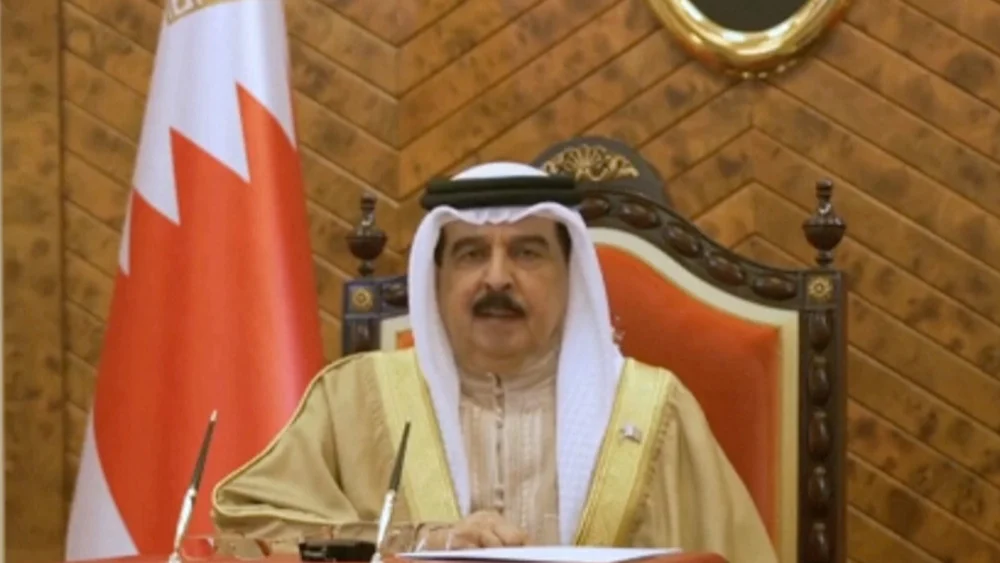
King Hamad bin Isa Al Khalifa of Bahrain has issued a forceful condemnation of what he termed "unprecedented attacks" by Iran, asserting that such actions against Bahrain and other Arab states are indefensible. This strong statement, made public on March 9, 2026, directly addresses the ongoing pattern of Iranian aggression, which Bahrain views as a destabilizing force in the region. The King’s words reflect a broader sentiment among several Gulf Cooperation Council (GCC) nations regarding Iran’s foreign policy and its alleged involvement in regional conflicts.
The Bahraini monarch’s declaration arrives at a critical juncture, as diplomatic efforts to de-escalate tensions in the Middle East have yielded limited results. The accusations of unjustified attacks point to a long-standing pattern of grievances, including alleged Iranian support for militant groups and cyber warfare activities targeting regional adversaries. Bahrain, a close ally of Saudi Arabia and the United States, has consistently been at the forefront of criticizing Iran’s regional ambitions.
Historical Context of Bahrain-Iran Tensions
The relationship between Bahrain and Iran has been fraught with historical complexities and geopolitical friction. Iran has historically laid claim to Bahrain, a claim that was formally renounced by Iran in 2001 but continues to linger in the background of their bilateral relations. This historical assertion has fueled Bahrain’s deep-seated mistrust of Iranian intentions, particularly concerning its sovereignty and internal affairs.
Over the past two decades, Bahrain has accused Iran of consistently interfering in its internal affairs, including alleged support for Shia opposition groups. These accusations have often been linked to periods of civil unrest and political demonstrations within Bahrain. The Bahraini government has frequently pointed to what it describes as evidence of Iranian funding, training, and ideological backing of these groups, allegations that Iran consistently denies.
The geopolitical backdrop of the region, marked by sectarian divides and proxy conflicts, has further exacerbated these tensions. Bahrain, a Sunni-led monarchy with a significant Shia population, finds itself in a precarious position, often viewing Iran as a direct threat to its national security and stability. This perception has led Bahrain to strengthen its security alliances, particularly with Saudi Arabia and the United States, to counter what it perceives as Iranian expansionism.
Escalating Threats and Unjustifiable Attacks
King Hamad bin Isa Al Khalifa’s specific reference to "unprecedented attacks" suggests a recent or ongoing series of incidents that have crossed a perceived threshold of tolerance for Bahrain. While the specific nature of these attacks was not detailed in the initial statement, they are likely to encompass a range of activities, from cyber intrusions and disinformation campaigns to alleged support for sabotage or violent acts.
Such accusations are not new, but the King’s characterization of them as "unprecedented" and "unjustifiable under any pretext" amplifies the severity of Bahrain’s stance. This phrasing indicates a belief that Iran’s actions have reached a new level of intensity or audacity, leaving no room for diplomatic maneuvering or explanation. The implication is that these actions are not merely diplomatic disagreements but direct threats to Bahrain’s security and sovereignty.
The mention of attacks against "other Arab countries" suggests a coordinated or at least a regionally widespread pattern of Iranian aggression. This aligns with broader narratives from GCC states that Iran is actively seeking to destabilize the region through various means, including its ballistic missile program, support for proxy forces in countries like Yemen and Syria, and its nuclear ambitions.
The Role of Iran in Regional Destabilization
Iran’s foreign policy has been a subject of intense scrutiny and debate for decades. The Islamic Republic views its regional role as a necessary counterweight to perceived Western and Israeli influence, often framing its actions as defensive in nature. However, many of its neighbors, including Bahrain, interpret these actions as aggressive and expansionist.
Key areas of concern include:
- Support for Militant Groups: Iran is widely accused of providing financial, military, and ideological support to various Shia militias and political factions across the Middle East, including Hezbollah in Lebanon, Houthi rebels in Yemen, and various groups in Iraq and Syria. These groups are often seen by adversaries as proxies used to exert Iranian influence and destabilize rival states.
- Ballistic Missile Program: Iran’s development and testing of ballistic missiles are a major source of anxiety for its neighbors. These missiles are capable of reaching targets across the Middle East, and their proliferation is seen as a direct threat to regional security.
- Cyber Warfare Capabilities: In recent years, Iran has been increasingly implicated in sophisticated cyberattacks targeting critical infrastructure, financial institutions, and government networks of its adversaries. These attacks can disrupt essential services and sow discord without the overt use of military force.
- Nuclear Ambitions: The ongoing international concern over Iran’s nuclear program, particularly its uranium enrichment activities, adds another layer of tension. Regional powers fear that a nuclear-armed Iran would drastically alter the strategic balance of power.
Bahrain, like Saudi Arabia and the United Arab Emirates, views these actions as part of a deliberate strategy by Iran to expand its influence and undermine the stability of the GCC states. The King’s condemnation is a clear signal that Bahrain perceives these Iranian actions as crossing a critical line, demanding a firm and unwavering response.
Broader Implications for Gulf Security
King Hamad bin Isa Al Khalifa’s strong condemnation carries significant implications for the broader security architecture of the Persian Gulf. It underscores the persistent divides and mistrust that characterize relations between Iran and its Arab neighbors, despite some diplomatic overtures in recent years.
The statement reinforces the alignment between Bahrain, Saudi Arabia, and other GCC states in their collective approach to countering Iran. This unified stance is crucial for maintaining regional stability and presenting a united front against perceived external threats. It also signals continued reliance on security partnerships, particularly with the United States, which maintains a significant military presence in the region.
The condemnation also highlights the ongoing challenges in achieving a lasting de-escalation. While there have been efforts towards dialogue, incidents like those alluded to by the Bahraini King suggest that the underlying issues remain unresolved and that the risk of miscalculation or escalation persists.
Public and Diplomatic Ramifications
The King’s statement is likely to resonate deeply within Bahrain and among its allies. It provides a clear articulation of the official position on Iranian aggression, aiming to rally domestic support and reinforce international understanding of Bahrain’s security concerns. For the Bahraini population, such strong rhetoric can serve to reassure them of their leadership’s commitment to national security in a volatile region.
Diplomatically, the condemnation puts further pressure on Iran to alter its regional behavior. It adds to the international chorus of criticism regarding Iran’s foreign policy and may influence ongoing diplomatic efforts to address issues such as Iran’s nuclear program and its regional activities. The unequivocal language used by the Bahraini King leaves little room for ambiguity about the gravity with which these alleged attacks are perceived.
The statement also serves as a warning to Iran, signaling that Bahrain and its allies are prepared to take measures to defend their interests. This could translate into increased security cooperation, further sanctions, or even more direct responses if the alleged attacks continue or escalate. The call for an end to "unjustifiable attacks" is a clear demand for a fundamental shift in Iran’s approach to regional relations.
Future Trajectories and Potential Next Steps
The trajectory of Bahrain-Iran relations will likely remain tense, contingent on Iran’s future actions and the responses of its regional adversaries. King Hamad bin Isa Al Khalifa’s forceful declaration suggests a period of heightened vigilance and a potential for increased diplomatic and security measures.
Possible next steps could include:
- Enhanced Security Cooperation: Bahrain may seek to deepen its security ties with Saudi Arabia, the UAE, and other GCC states, potentially involving joint military exercises or intelligence sharing aimed at countering Iranian threats.
- International Diplomatic Pressure: Bahrain and its allies may intensify efforts to mobilize international support for their position, seeking to isolate Iran diplomatically and economically. This could involve raising the issue in international forums such as the United Nations.
- Cybersecurity Reinforcement: Given the suspected nature of some attacks, Bahrain is likely to invest further in its cybersecurity infrastructure and capabilities to defend against and respond to cyber threats emanating from Iran.
- Public Diplomacy: Bahrain may engage in a more robust public diplomacy campaign to highlight its grievances and build international sympathy for its security concerns.
The unwavering stance taken by Bahrain’s King underscores the deep-seated animosities and strategic disagreements that continue to define the Middle East. The assertion that Iran’s actions are "unjustifiable under any pretext" signals a commitment to a firm response, setting the stage for continued regional friction and potential diplomatic standoffs. The coming months will be critical in determining whether these tensions de-escalate or further intensify, impacting the delicate balance of power in the Persian Gulf.