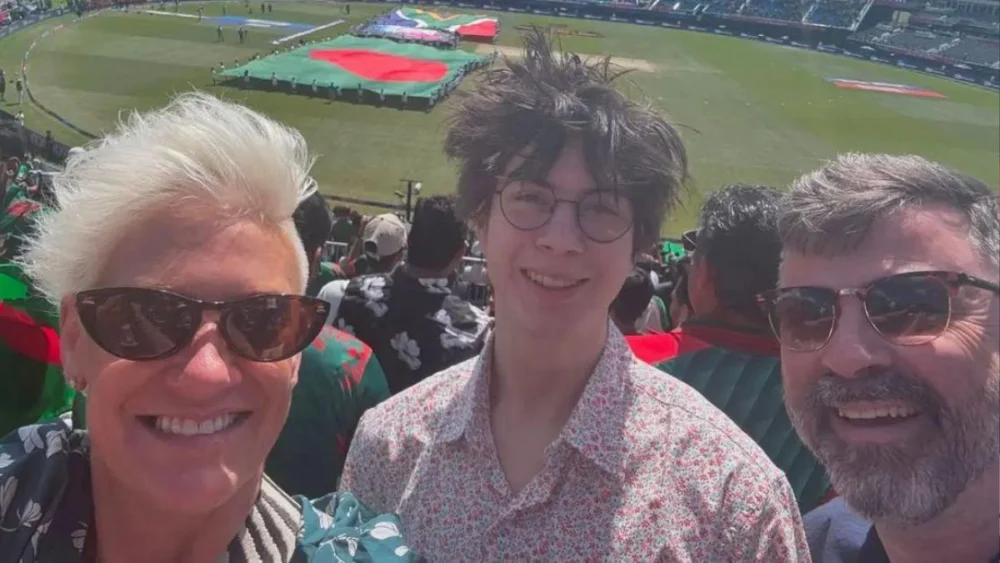
The sudden death of renowned Food Network personality Anne Burrell last June, initially shrouded in mystery, has been officially ruled a suicide, with new details emerging from a personal journal and a note found at her Brooklyn residence. The celebrity chef, 55, who charmed millions with her vibrant personality and culinary expertise, had been secretly documenting profound emotional distress, culminating in her tragic passing. Her husband, Stuart Claxton, discovered her unresponsive in their home, surrounded by a quantity of over-the-counter pills, revealing a stark contrast to her effervescent public image.
The Unforeseen End of a Culinary Icon
Anne Burrell, recognized for her signature spiky blonde hair and energetic presence on shows like Worst Cooks in America and Iron Chef America, cultivated a public persona of unwavering enthusiasm and culinary passion. Born in Cazenovia, New York, Burrell’s journey into the culinary world began with studies at the Culinary Institute of America, followed by extensive experience in top-tier restaurants in New York City and Italy. She quickly became a household name through her television appearances, where her distinct teaching style and infectious energy made her a beloved figure in the Food Network lineup. Her ability to demystify complex cooking techniques and engage with contestants, often with a humorous edge, cemented her status as a dynamic and approachable culinary instructor.

This public image, however, appears to have concealed a deeper, private struggle. The discovery of a journal meticulously detailing her pain and a suicide note offers a poignant glimpse into the unseen battles she faced. The contrast between her professional success and the profound personal torment she recorded has shocked fans and colleagues, prompting a reevaluation of the pressures faced by public figures. Her death serves as a sobering reminder that outward appearances can often mask significant internal suffering, even for those who seem to embody joy and vitality.
A Tragic Discovery in Brooklyn
On the morning of June 17, 2025, Stuart Claxton, Burrell’s husband, grew concerned when he observed an unusual neatness in their bedroom, an anomaly he later described as "not normal." His subsequent search led him to the bathroom, where he made the devastating discovery of his wife unresponsive. Scattered on the floor near her were numerous over-the-counter pills, indicating a deliberate act. Emergency services were immediately contacted, but efforts to revive the beloved chef were unsuccessful. The scene quickly became a focal point for investigators seeking to understand the circumstances surrounding her untimely demise.
Law enforcement officials confirmed the presence of a journal and a "suicidal note" at the scene. While the specific contents of these writings have not been fully disclosed, sources close to the investigation indicated they painted a picture of deep despair and suicidal ideation. This evidence became central to the official determination of suicide, providing a tragic narrative of her final hours. Claxton later conveyed to authorities that his wife had never previously exhibited signs of suicidal tendencies nor had she ever discussed such thoughts, making the event a "total shock" to him and those closest to her.

The Medical Examiner’s Findings and Hidden Struggles
A month after her death, the medical examiner’s report confirmed that Anne Burrell died by suicide, attributing the cause to the ingestion of a toxic combination of substances. The report specified ethanol, diphenhydramine, cetirizine, and amphetamine. Ethanol, commonly known as alcohol, can depress the central nervous system. Diphenhydramine and cetirizine are both antihistamines, frequently found in over-the-counter allergy and sleep aids, which can cause drowsiness and sedation. Amphetamine, a stimulant, is often prescribed for conditions such as ADHD. The specific combination and dosages of these substances proved lethal, leading to her passing.
This detailed toxicology report provided a medical explanation for her death, but the emotional context remained centered on the personal writings she left behind. The journal, believed to chronicle her struggles, offered a window into the private torment that the public never saw. It underscored the severe disconnect between her outward persona and her inner world, highlighting how effectively she had managed to mask her secret pain from even those closest to her. The meticulous nature of her journal entries, detailing her pain, suggested a prolonged period of internal conflict leading up to her death.
Career Pressures and a Search for New Beginnings
Reports indicate that Anne Burrell was grappling with significant career dissatisfaction in the period leading up to her death. An insider revealed that Burrell often described her job within the competitive culinary television landscape as a "competitive cesspool," suggesting immense pressure and perhaps a sense of disillusionment with the industry. Despite her success and popularity, the constant demands of reality television and the relentless pursuit of ratings can take a heavy toll on even the most resilient personalities. The Food Network, known for its high-stakes culinary competitions and personality-driven programming, often places its stars under intense scrutiny.
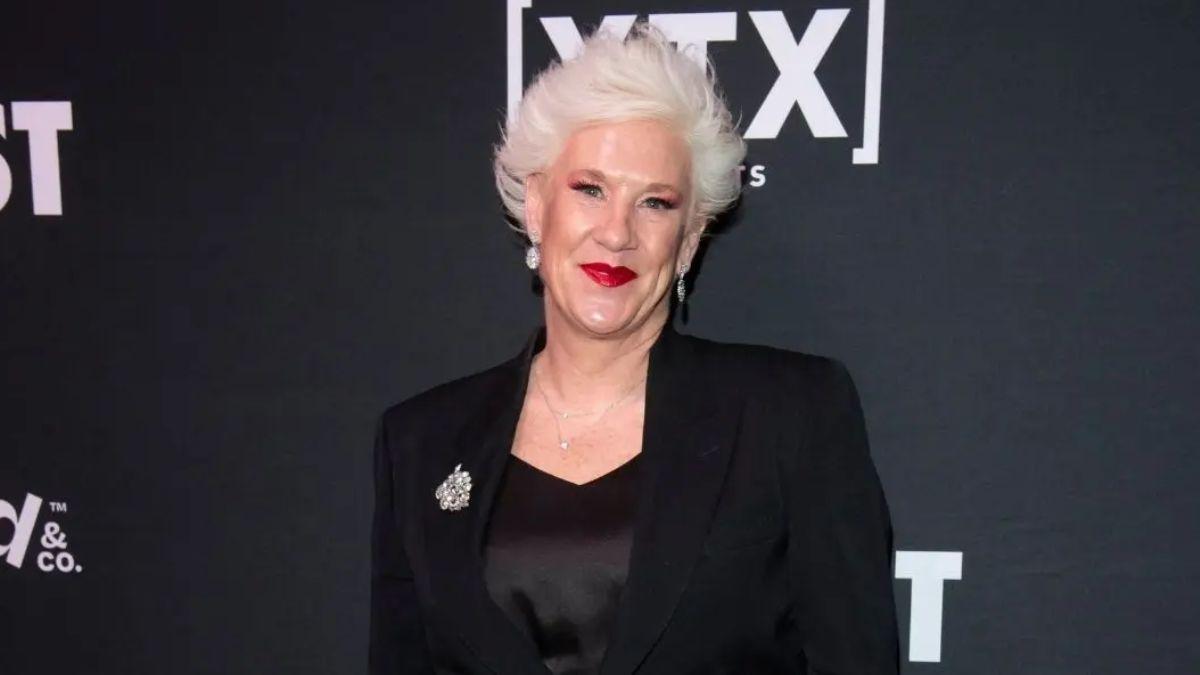
In an apparent attempt to pivot and find new avenues for creative expression, Burrell had recently decided to take a break from reality television. She had begun exploring a different career path, enrolling in acting classes and even participating in an improv show just hours before her death. This pursuit of new artistic endeavors might have been an effort to escape the perceived pressures of her culinary career or to find a more authentic outlet for her talents. This shift in focus, juxtaposed with the profound despair revealed in her journal detailing her pain, suggests a complex internal landscape where professional change was intertwined with deep-seated emotional turmoil. Her final performance, seemingly an act of new beginnings, tragically preceded her final act of despair.
The Impact on the Culinary World and Mental Health Awareness
Anne Burrell’s death sent shockwaves through the culinary community and among her legions of fans. Colleagues and friends expressed profound sorrow and disbelief, reflecting on her vibrant spirit and significant contributions to the food industry. Her passing reignited important conversations about mental health, particularly for individuals in high-pressure public roles where the expectation to maintain a cheerful and confident demeanor can be overwhelming. The tragedy served as a stark reminder that mental health struggles can affect anyone, regardless of their public image or professional success.
Her legacy extends beyond her television appearances; Burrell was a respected chef and mentor, known for her passion for cooking and her ability to inspire others. Her death prompted many to reflect on the importance of checking in with loved ones, even those who appear to be thriving, and to be vigilant for subtle signs of distress. The revelation that Burrell had been secretly detailing her pain in a journal underscored the critical need for greater awareness and resources for mental health support, especially within demanding industries like entertainment.

A Family Mourns and a Lasting Legacy
In the wake of her passing, Anne Burrell’s family released a heartfelt statement, remembering her as "a beloved wife, sister, daughter, stepmother, and friend." The statement movingly captured her essence: "Her smile lit up every room she entered. Anne’s light radiated far beyond those she knew, touching millions across the world. Though she is no longer with us, her warmth, spirit, and boundless love remain eternal." This public tribute highlighted the profound personal loss experienced by her family while acknowledging her widespread impact.
Burrell was married to Stuart Claxton for less than four years, having met him on the dating app Bumble in 2018 and becoming engaged in 2020. Claxton has a son from a previous relationship, making Burrell a stepmother. Her personal life, though less public than her professional endeavors, was clearly cherished by her family. At the time of her death, her estate was valued at approximately $2 million, a testament to her successful career. Her passing leaves a void in the culinary world and serves as a poignant reminder of the hidden struggles that can lie beneath even the brightest public personas, urging greater compassion and attention to mental well-being.