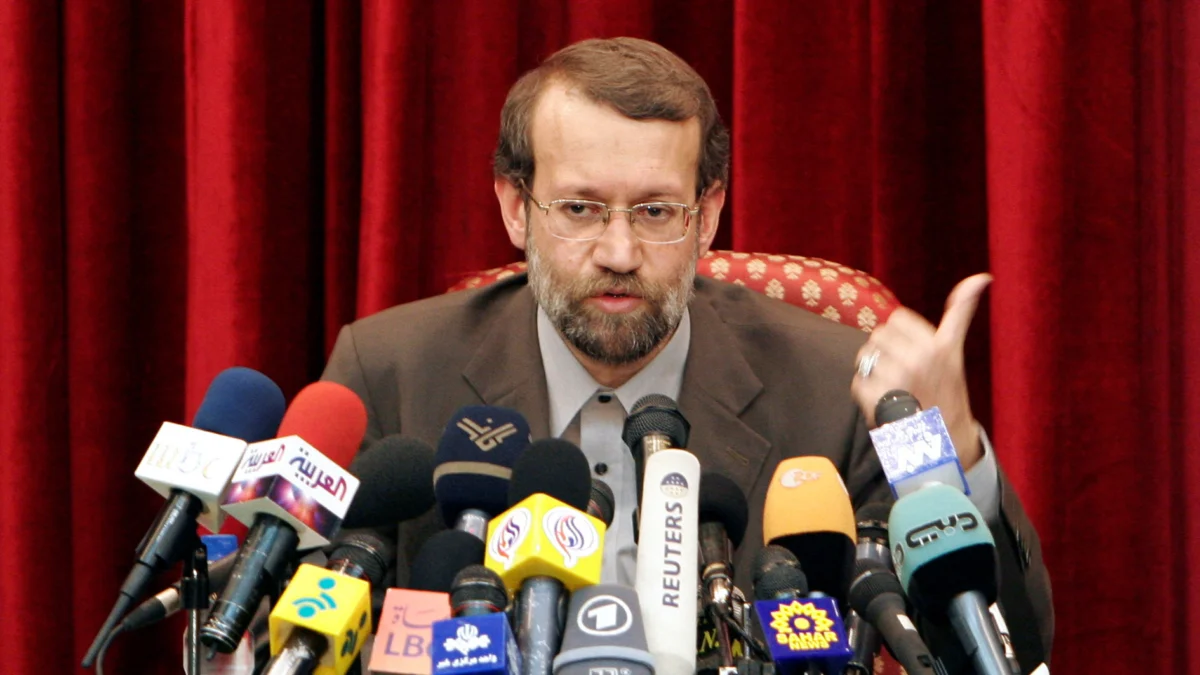
The assassination of Ali Larijani, a prominent figure within Iran’s political establishment and a key architect of its foreign policy, has sent shockwaves through the Middle East and raised critical questions about the future trajectory of ongoing regional conflicts. The targeted killing, the details of which remain under intense scrutiny, is poised to significantly alter the dynamics of Iran’s strategic engagements and could have profound implications for the delicate balance of power in a volatile geopolitical landscape.
Ali Larijani: A Central Figure in Iranian Politics
Ali Larijani, who held significant positions for over two decades, was more than just a political operative; he was a seasoned strategist whose influence extended across military, security, and diplomatic spheres. His tenure as Speaker of the Iranian Parliament from 2008 to 2020 placed him at the forefront of legislative decision-making, shaping domestic policy and Iran’s international posture. Prior to this, he served as Secretary of the Supreme National Security Council, a critical body responsible for formulating and overseeing national security and foreign policy, including Iran’s nuclear program and its regional alliances.
Larijani was widely regarded as a pragmatic conservative, often navigating a complex political environment that included hardliners, reformists, and Supreme Leader Ayatollah Ali Khamenei. His ability to maintain influence across different factions underscored his strategic acumen and his deep understanding of Iran’s internal power structures. He was a key negotiator in past international discussions, particularly concerning Iran’s nuclear ambitions, and was instrumental in shaping the country’s response to regional crises.
The Unfolding Impact on Regional Conflicts
The immediate fallout from Larijani’s killing is being closely watched by regional adversaries and allies alike. His death creates a void in the intricate network of relationships and strategic planning that characterized Iran’s approach to conflicts in Syria, Yemen, Iraq, and its ongoing confrontation with Israel. Analysts suggest that his absence could lead to a period of uncertainty and potential recalibration of Iran’s regional strategy.
One of the most significant potential impacts lies in the proxy warfare that Iran has actively supported. Larijani was a key figure in coordinating these efforts, ensuring a degree of strategic coherence and resource allocation. His removal could disrupt these established channels, potentially leading to a reassessment of commitments or a shift in operational focus by Iran’s allied groups, such as Hezbollah in Lebanon and the Houthi movement in Yemen.
Shifting Alliances and Strategic Realignments
The killing of Ali Larijani could trigger a ripple effect across Iran’s carefully cultivated alliances. His death might create opportunities for rivals to exploit perceived weaknesses or to test the resolve of the Iranian regime. Conversely, it could also galvanize hardliners within Iran to adopt a more aggressive stance, seeking to demonstrate strength and deter further aggression.
The delicate relationship between Iran and its non-state allies, such as Hezbollah, is particularly vulnerable. Larijani played a crucial role in maintaining the flow of support and strategic direction to these groups. His absence could lead to a period of adjustment for these organizations, potentially forcing them to adapt their strategies or seek new avenues of support, which could in turn escalate regional tensions.
The Nuclear Program and International Negotiations
Larijani’s involvement in Iran’s nuclear program and past negotiations with the P5+1 nations means his death could also influence future diplomatic efforts. While the ultimate authority on the nuclear file rests with the Supreme Leader, Larijani was a significant voice in policy formulation and a seasoned negotiator. His absence might introduce new variables into any potential future discussions, affecting the pace and substance of any renewed diplomatic engagement.
The international community is closely monitoring how this event will shape Iran’s approach to its nuclear ambitions. Some experts suggest that a more hardline faction might gain influence, potentially leading to a more confrontational stance on the nuclear issue. Others believe that the disruption could lead to a period of introspection, potentially opening doors for new diplomatic approaches, though this remains a less likely immediate outcome.
Internal Power Dynamics and Succession Concerns
The assassination of such a high-profile figure inevitably raises questions about internal power dynamics within Iran. Larijani was seen by many as a stabilizing force, capable of mediating between different factions. His death could exacerbate existing political rivalries or create new ones, particularly as Iran looks towards future leadership transitions.
The Supreme Leader’s office will need to navigate this new landscape carefully. The choice of a successor to fill Larijani’s void, or the redistribution of his responsibilities, will be a critical indicator of the direction Iran intends to take. This could involve empowering existing figures or promoting new individuals who may have different strategic priorities and approaches to foreign policy and regional engagement.
The Broader Geopolitical Ramifications
The implications of Ali Larijani’s killing extend beyond Iran’s immediate regional theater. The interconnected nature of global security means that shifts in Iran’s strategic posture can have far-reaching consequences. This includes potential impacts on global energy markets, the flow of refugees, and the ongoing efforts to counter extremist groups.
The United States and its allies will be keenly observing these developments, assessing any potential shifts in the threat landscape. The killing could lead to increased regional instability, which might necessitate adjustments in U.S. diplomatic and military strategies in the Middle East. The delicate balance of power in the region, already precarious, could be further destabilized by this significant event.
Public Sentiment and National Security
While the immediate focus is on the geopolitical and strategic implications, the assassination of a figure like Larijani also carries weight in terms of public sentiment and national security perception within Iran. Such a high-profile targeted killing, if attributed to external actors, could fuel nationalist sentiments and potentially galvanize public support behind the regime’s policies, regardless of their perceived effectiveness.
Conversely, if the assassination is perceived as a sign of internal division or vulnerability, it could lead to public unease and questions about the government’s ability to ensure security. The regime’s handling of the aftermath, including its public pronouncements and any ensuing investigations, will be crucial in shaping public opinion and maintaining internal stability. The narrative surrounding Larijani’s death, and who is blamed, will be a critical factor in how this event is absorbed domestically.
The Unpredictable Path Forward
The killing of Ali Larijani represents a significant disruption to Iran’s political and strategic landscape. The full extent of its impact will only become clear in the coming weeks and months as regional actors react and Iran recalibrates its policies. The uncertainty created by this event underscores the volatile nature of the Middle East and the complex web of relationships that define its security environment.
Moving forward, the international community will be looking for clear signals from Tehran regarding its intentions. The choices made by Iran’s leadership in the wake of this assassination will shape regional stability, the future of ongoing conflicts, and the prospects for diplomatic engagement on critical global issues, including nuclear proliferation and counter-terrorism efforts. The void left by Larijani’s absence will undoubtedly be felt, and its filling will mark a new chapter in Iran’s engagement with the world.